Putin Orders 72-Hour Ceasefire as Senior US Diplomats Shuttle Between Moscow and Kyiv
Russian President Vladimir Putin has approved a 72-hour ceasefire with Ukraine, according to reports, as senior American diplomats conduct an intensive round of shuttle diplomacy between Moscow and Kyiv in what appears to be one of the most significant diplomatic interventions since the war began.
The temporary pause in hostilities coincides with visits by two prominent figures from the United States administration, who have travelled to both Russia and Ukraine in recent days. Officials said the talks are aimed at building conditions that could eventually lead to a more durable cessation of fighting, though the broader path toward a negotiated settlement remains deeply uncertain.
The announcement of the limited truce represents a notable, if fragile, moment in a conflict that has ground on for more than two years, causing enormous casualties and displacing millions of people across Ukraine and beyond. European governments have been closely monitoring the American-led initiative, with many capitals cautiously welcoming any reduction in hostilities while expressing reservations about a process in which they have so far played a limited formal role.
Washington Takes the Lead on Diplomatic Push
The American diplomatic mission, which has unfolded rapidly over recent days, signals a more direct and hands-on involvement by the current US administration in efforts to end the conflict. According to reports, the envoys have engaged senior officials on both sides, though the precise content of those discussions has not been made public. Analysts caution that a 72-hour ceasefire, while symbolically important, falls well short of the structural agreements that would be needed to end the war.
Ukrainian authorities have not yet issued a comprehensive public statement on the terms of the ceasefire as understood from Kyiv’s perspective, and it remains unclear whether both sides have agreed to identical conditions or whether each is operating under its own interpretation of the temporary halt. Previous ceasefire announcements during the conflict have at times broken down rapidly amid mutual accusations of violations.
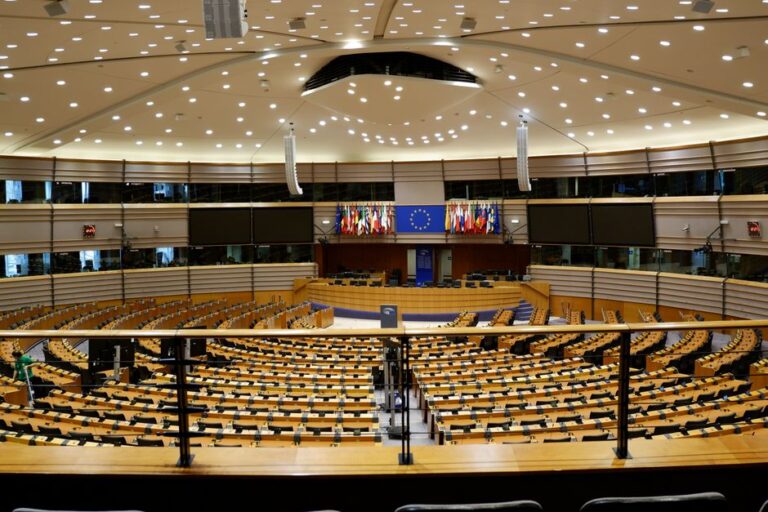
European Union officials and member state governments have reiterated their position that any peace process must respect Ukraine’s sovereignty and territorial integrity, and must not reward military aggression with territorial concessions. Brussels has also stressed that European partners should be included in substantive negotiations rather than presented with outcomes already agreed between Washington and Moscow.
The broader diplomatic landscape remains complex. Western allies have continued to supply Ukraine with military and financial assistance, and there is significant political sensitivity in several European capitals about the perception that pressure may be mounting on Kyiv to accept terms that fall short of its stated war aims. Meanwhile, Russia has consistently framed its conditions for peace in terms that Ukrainian and most Western governments have rejected as incompatible with Ukrainian sovereignty.
Whether the 72-hour pause translates into meaningful momentum toward a lasting agreement will likely become clearer in the days ahead, as the American envoys conclude their regional visits and report back to Washington. For now, the ceasefire order offers a brief, if tenuous, reduction in violence — and a reminder of how quickly the diplomatic landscape around this conflict can shift.