Russian Mothers Look Abroad for Their Children’s Future as War Reshapes Emigration Patterns
The consequences of Russia’s war against Ukraine continue to ripple far beyond the battlefield, reshaping how Russian citizens think about their futures and those of their children. Among the more striking trends to emerge since the February 2022 invasion is a rise in so-called birth tourism, with Russian women deliberately travelling abroad to deliver their babies and secure foreign passports for them from the very first moments of life.
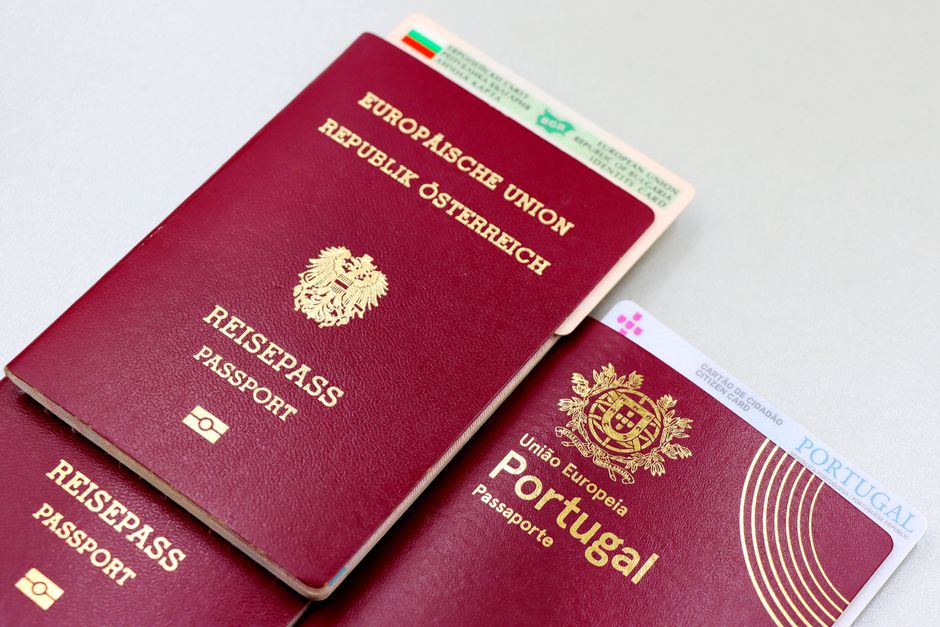
According to reports from European and international media, the practice has accelerated significantly since the start of the full-scale war. For many families, obtaining a foreign passport for a newborn represents a form of insurance — a document that could one day allow a child to live, study, or work outside Russia without the legal hurdles that adults seeking to emigrate typically face.
The destinations most frequently cited include countries that still operate some form of birthright citizenship, as well as EU member states where residency arrangements or administrative loopholes may ease the process of registration. Argentina, which grants citizenship to all children born on its soil regardless of parentage, has emerged as a particularly notable destination, though European countries with more complex citizenship frameworks are also reportedly seeing increased interest from expectant Russian mothers.
A Generation Planned for Departure
The motivations driving this trend are as varied as the families involved. Some parents cite fear of military conscription, concerned that sons born in Russia today could face mandatory service in future conflicts. Others point to economic stagnation, international sanctions, and the gradual closure of Russia to global travel and commerce as reasons to want a different legal identity available to their children. For a segment of the Russian middle class that had grown accustomed to European travel, education, and consumer culture, the post-2022 isolation has proved a profound shock.
The trend sits within a broader wave of Russian emigration that has drawn considerable attention from policymakers across Europe. Hundreds of thousands of Russians are estimated to have left their country since the invasion began, settling in varying numbers across Georgia, Armenia, Serbia, and a range of EU states. Birth tourism represents a longer-term strategic dimension of this movement — less about the parents fleeing immediately, and more about engineering future options for the next generation.
The phenomenon is not without controversy. Several countries have grown wary of what they perceive as deliberate exploitation of nationality laws, and some have tightened residency and registration requirements in response to broader migration pressures. EU member states in particular have been reviewing their frameworks amid wider political debates about migration from Russia and Belarus following the invasion.
Child rights advocates caution that such arrangements, while legally valid in most cases, can create complicated situations for children who may grow up holding multiple national identities without strong ties to any single country. Questions of schooling, healthcare entitlements, and eventual tax or military obligations can become complex when a child’s legal nationality differs from their country of actual residence.
For the Russian families pursuing this path, however, the calculation appears straightforward: in an era of deep uncertainty, a foreign passport in a newborn’s name is one of the few concrete steps a parent can take to expand the horizons available to a child who has not yet opened their eyes to the world.