EU-Western Balkans Summit Podgorica June 2026: Montenegro Frontrunner Status Tested as Enlargement Returns to the Centre
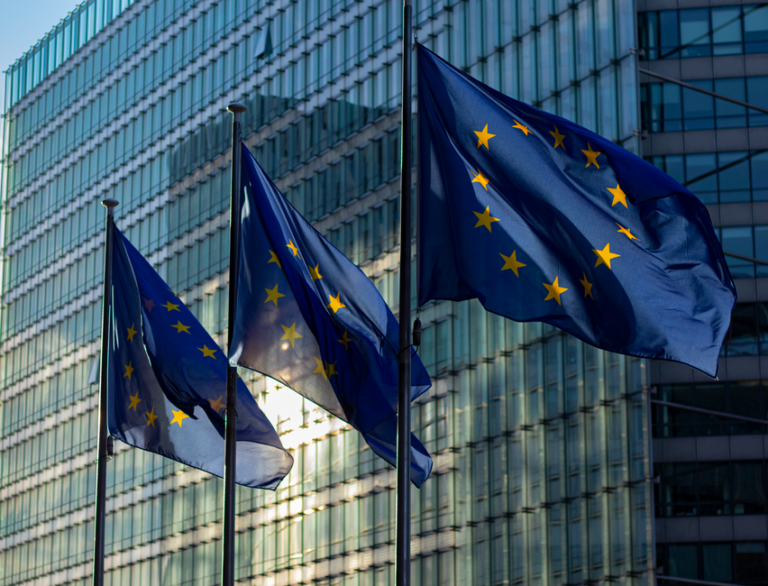
Podgorica hosts the EU-Western Balkans Summit in June 2026, a moment of political significance for Montenegro’s accession trajectory and for the wider regional question of how fast — and on what terms — the EU intends to absorb the six Western Balkan candidate countries. The summit, the most senior diplomatic gathering Montenegro has ever hosted, places Prime Minister Milojko Spajic and Minister for European Affairs Maida Gorcevic at the centre of European enlargement diplomacy.
Montenegro: the closer
Montenegro has been negotiating EU membership since 2012 — 14 years. It is the only candidate to have reached the most advanced negotiating stage, having met the interim benchmarks for chapters 23 and 24 (rule of law and fundamental rights) that unlock the closing process for all chapters. Podgorica has provisionally closed an unprecedented number of chapters in 2025 alone, with the closure of negotiations described by the government as “the priority of the year.” Targeted full EU membership: 2028.
What the summit will decide
The Podgorica summit will adopt a final declaration covering enlargement methodology, rule-of-law conditionality, regional cooperation and economic convergence. EU leaders will signal whether the accelerated pace of Montenegro’s accession can be matched by Albania — which began negotiations only in 2020 but has progressed faster than long-running candidates. The summit will also address the deteriorating political environment in Bosnia-Herzegovina, where the secessionist drift in Republika Srpska remains a structural obstacle to the country’s EU path.
Berlin Process synergy
Montenegro chairs the Berlin Process throughout 2026 — the German-led format gathering Western Balkan leaders, EU member states and the Commission for economic and infrastructure cooperation. The combination of presidency and summit gives Podgorica unprecedented agenda-setting power. Expected announcements include new commitments on the Common Regional Market, the Green Agenda for the Western Balkans and digital integration.
Serbia, Kosovo, the unresolved core
The summit faces the persistent question of Serbia and Kosovo. Serbian President Aleksandar Vucic balances EU accession aspirations with a refusal to align fully with EU sanctions on Russia. Kosovo, recognised by 22 of 27 member states, remains formally on the path but blocked by EU divisions. The June declaration will likely affirm the 2030 enlargement horizon for the most-prepared candidates while keeping the door open for Serbia conditional on full alignment with the Common Foreign and Security Policy.
The strategic stakes
For the EU, enlargement is no longer optional. The geopolitical pressure of Russian influence in the region, combined with growing Chinese investment, has reframed Western Balkans accession as a security imperative. The Podgorica summit will be remembered as the moment EU enlargement decisively shifted from rhetorical commitment back to concrete trajectory — or as the moment the doubts began to harden again.