EU-Mercosur Trade Deal Comes Into Force on 1 May 2026 After 20 Years of Negotiations
After more than two decades of on-and-off negotiations, the interim trade agreement between the European Union and the four Mercosur countries — Brazil, Argentina, Paraguay and Uruguay — applies provisionally from 1 May 2026. The deal creates one of the world’s largest trade areas, covering some 700 million consumers, and represents a significant geopolitical signal at a moment when global trade architecture is being reshaped by US tariff policy and Chinese industrial overcapacity.
What the deal does
In its provisional application phase, the agreement removes or substantially reduces tariffs on more than 90% of bilateral trade flows. EU exporters of cars, machinery, chemicals and processed foods gain preferential access to Mercosur markets that have historically been protected by some of the highest tariffs in the world. In return, Mercosur producers gain expanded quotas for beef, poultry, sugar, ethanol and several agricultural commodities into the EU.
The agriculture safeguard
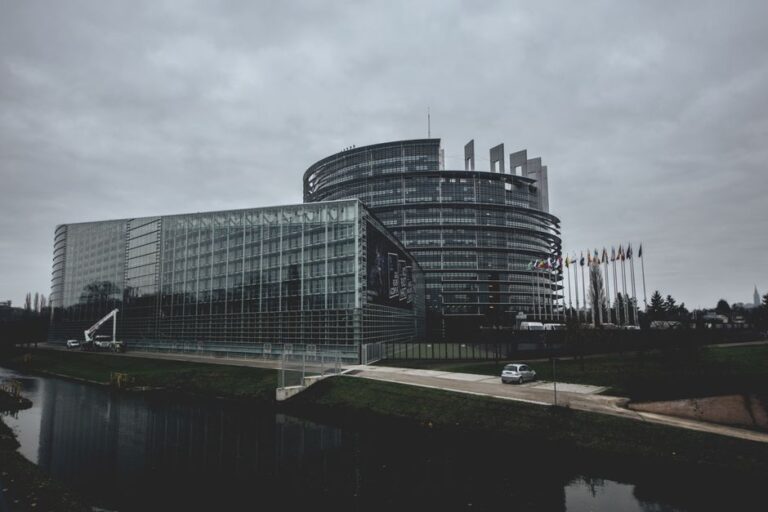
The single most controversial dimension was the impact on European farmers, particularly in France, Ireland and Poland. To address those concerns, MEPs in February 2026 approved a bilateral safeguard mechanism that allows the Commission to suspend tariff concessions on specific Mercosur agricultural imports if they cause serious market disruption. The mechanism is automatic, transparent and triggered by quantitative thresholds rather than by political negotiation.
Environmental conditionality
A separate addendum, agreed during the final round of negotiations, makes Mercosur’s continued benefit from preferential access conditional on compliance with the Paris Agreement and on tangible progress against deforestation in the Amazon. The clause was a precondition for ratification by several EU member states, including France, and is enforceable through the same dispute-settlement procedure that applies to commercial obligations.
Why now
Beyond its economic content, the deal is a strategic statement. Both blocs face a global trade environment that is fragmenting around protectionism and the weaponisation of supply chains. Mercosur and the EU are publicly committing to deepen ties through a transparent, legally binding agreement — and, by implication, signalling that there are alternatives to a bipolar US-China trade order.