EU 2028-2034 Budget: Parliament Sets Its Negotiating Position on Multiannual Framework
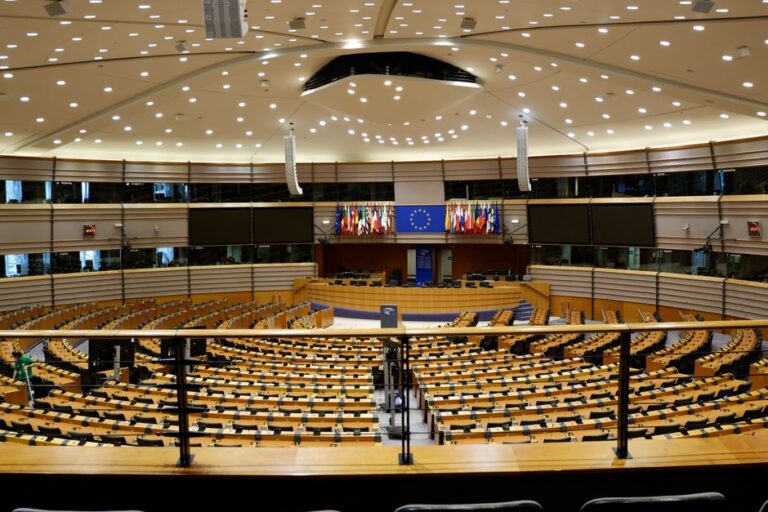
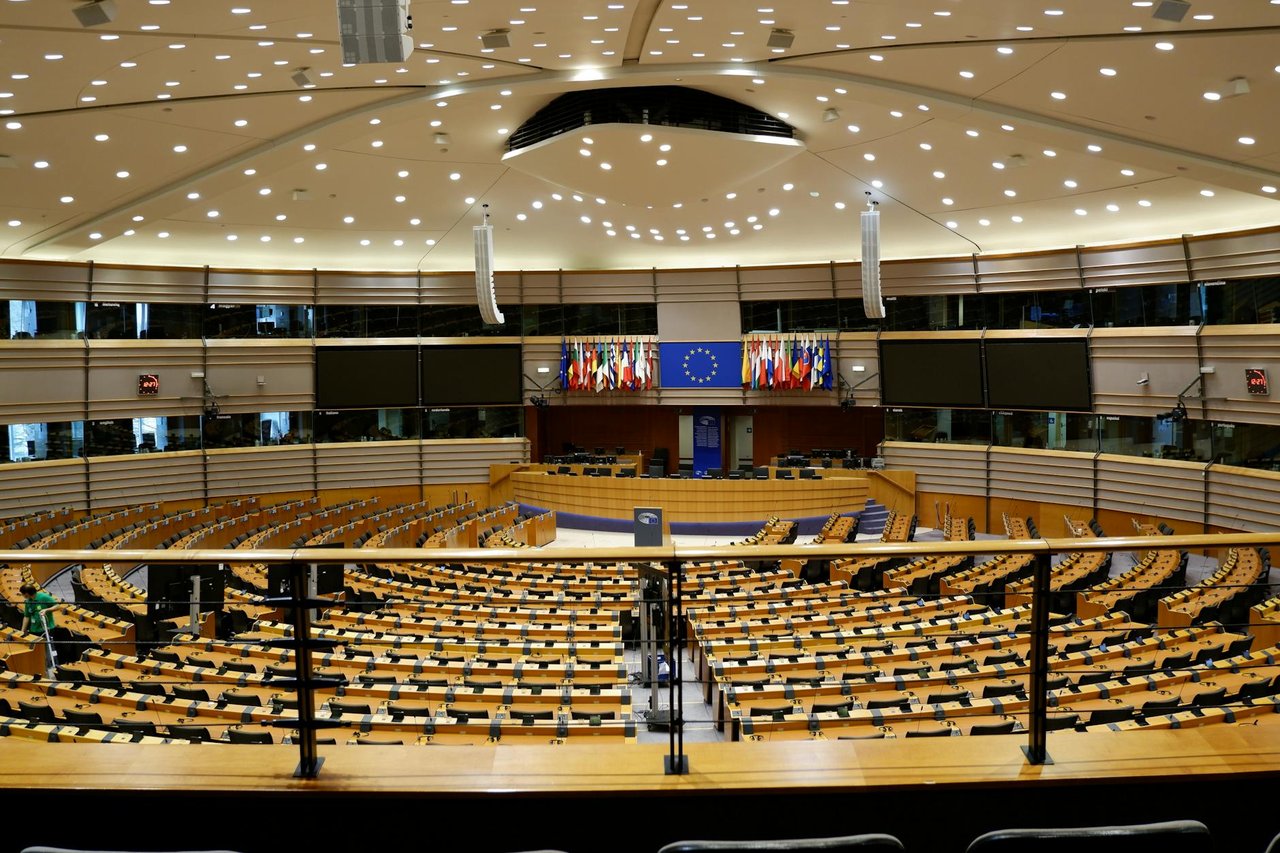
On 28 April 2026, the European Parliament voted in Strasbourg to adopt its negotiating position on the European Union’s 2028-2034 Multiannual Financial Framework (MFF) — the seven-year budget that will shape EU spending priorities through the next decade. The vote, followed by a press conference with EP President Roberta Metsola and lead MEPs, opens what is expected to be a difficult round of inter-institutional negotiations with the Council and the European Commission.
What the Parliament wants
The Parliament’s position pushes back against Commission proposals to consolidate large parts of the budget into a single, centrally-managed fund. MEPs argue that cohesion policy and the Common Agricultural Policy must retain dedicated envelopes, with predictable national allocations rather than discretionary, performance-based disbursements decided in Brussels.
The competitiveness question
A major battleground is funding for research, innovation and strategic technologies. Parliament backs a substantial uplift to the successor of Horizon Europe and a new dedicated instrument for critical technologies — semiconductors, AI, quantum, biotech, clean energy. The Draghi competitiveness report, published in 2024, casts a long shadow over the debate: MEPs cite its diagnosis that the EU underinvests in frontier R&D by some €800 billion a year compared with the United States and China.
Defence and Ukraine
The MFF will also need to fund the EU’s commitment to defence readiness by 2030, a priority enshrined in the joint legislative declaration signed by the three institutions for 2026. Parliament wants a dedicated defence-industrial line within the budget, separate from civilian research, alongside continued financial support to Ukraine and a flexible reserve for geopolitical shocks.
What happens next
The Council, currently chaired under the rotating presidency, will now develop its own position. Trilogue negotiations are expected to begin in the second half of 2026 and to run well into 2027. The new MFF must be adopted by unanimity in the Council with the consent of Parliament; the current 2021-2027 framework expires on 31 December 2027.