Magyar’s Péter Alliance Throws Weight Behind Former Supreme Court Chief in Hungarian Presidential Race
The political movement led by opposition figure Péter Magyar has announced its support for András Baka, a former president of Hungary’s Supreme Court, as the country’s next head of state, with parliament scheduled to hold a presidential election in the coming days. The endorsement marks a significant moment for the opposition, which has struggled to present a unified front against the long-dominant Fidesz party of Prime Minister Viktor Orbán.
Baka’s candidacy is drawing attention not only for his legal pedigree but also for the symbolic weight his nomination carries. As a former senior jurist with experience at the European Court of Human Rights, his profile stands in sharp contrast to the figures typically associated with the Orbán government’s consolidation of institutional power in Hungary over the past decade.
Magyar’s party, which has emerged as one of the more energised forces in the Hungarian opposition following a series of public rallies and growing civic discontent, appears to be positioning Baka as a figure capable of appealing across ideological lines. According to reports, the backing reflects a broader effort to field candidates who carry credibility rooted in professional achievement rather than partisan loyalty.
A Presidency in Focus
The Hungarian presidency is largely a ceremonial role, with executive authority concentrated in the prime minister’s office. However, the position has taken on added political significance in recent years following the resignation of Katalin Novák in early 2024 amid controversy over a presidential pardon in a child abuse case. That episode shook public confidence and underscored the reputational stakes attached to the office.
A successor was subsequently appointed, but the episode left an opening for opposition voices to demand a more independent and credible presidential figure. Baka’s legal background and past experience with European judicial institutions are seen by his supporters as lending the kind of institutional seriousness the presidency requires, according to reports from Budapest.
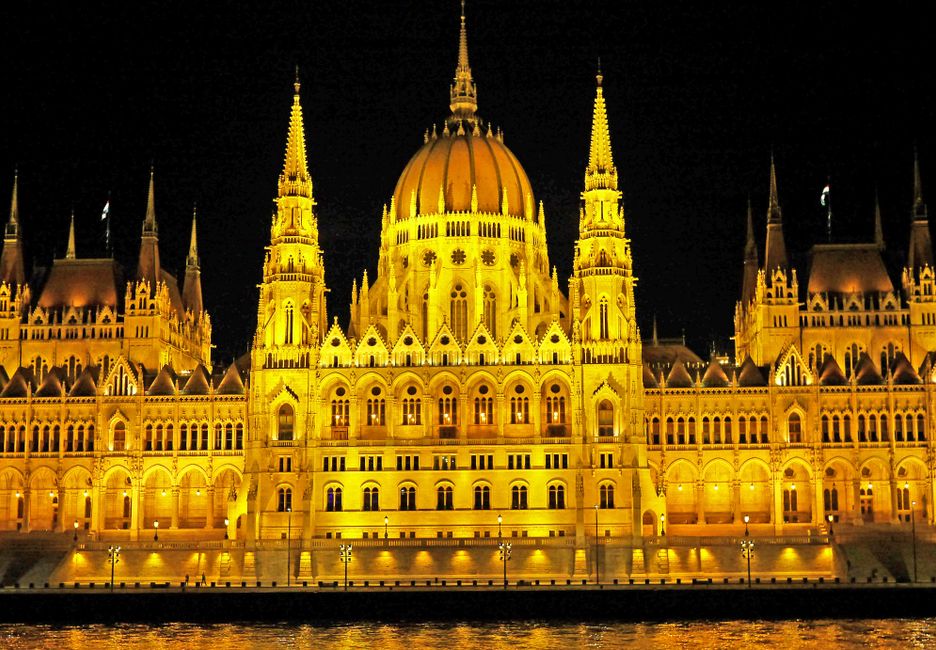
Whether Baka can secure the votes needed for election remains uncertain. Under Hungary’s constitutional arrangements, the president is chosen by a parliamentary vote, and Fidesz retains a commanding majority in the National Assembly. Opposition support alone is unlikely to be sufficient unless the governing party either abstains or puts forward no rival candidate of its own — a scenario that observers consider unlikely given the current political climate.
Nevertheless, Magyar’s endorsement is expected to raise the profile of the nomination and keep pressure on the governing majority to justify its choice before domestic and international audiences. The move also reinforces Magyar’s party as the principal vehicle of organised opposition heading into future electoral cycles, with European Parliament elections having already demonstrated the group’s capacity to mobilise voters beyond its initial base.
The parliamentary vote is expected to take place next week, and the outcome will be closely watched as an indicator of whether Hungary’s fractured opposition can coalesce around shared institutional goals — or whether Fidesz will once again dictate the terms of the country’s highest symbolic office.