French Wildfires Hand National Rally a Political Weapon
Wildfires tearing through swaths of French territory have done more than scorch forests and force evacuations — they have handed the country’s far-right National Rally a ready-made political narrative ahead of a prolonged period of electoral pressure on the French government.
As firefighters battled blazes across multiple regions, the National Rally party of Marine Le Pen moved quickly to portray the crisis not merely as an environmental emergency but as a symptom of a French state unable to guarantee the safety and security of its own citizens. The party has been amplifying the message across social media platforms and in public statements, according to reports, framing inadequate resources and delayed responses as evidence of institutional decay under the current political establishment.
Disaster as political theatre
The strategy is a familiar one for populist movements across Europe: seize on moments of acute public anxiety — whether caused by crime, migration, or natural catastrophe — and redirect that anxiety toward distrust of governing institutions. National Rally has refined this playbook over successive electoral cycles, and analysts say the wildfire crisis offers particularly fertile ground, combining fears about personal safety, property loss, and the visible failure of public services in a single, emotionally charged image.
Officials have pushed back on characterisations of the response as inadequate, pointing to the deployment of aerial firefighting assets and emergency personnel across affected zones. French authorities have also noted that the scale and speed of this summer’s fires reflect broader climatic conditions that have tested emergency services across southern Europe, from Greece to Portugal. Nevertheless, the political damage from scenes of uncontrolled blazes and displaced residents is difficult to contain.
The National Rally’s framing deliberately sidesteps the climate dimension of the crisis. While scientific consensus links the increasing frequency and intensity of wildfires in Mediterranean Europe to rising temperatures driven by human activity, the party has shown little appetite for engaging with that argument, preferring instead to focus on what it describes as failures of governance and resource allocation. Critics argue this amounts to exploiting a crisis while ignoring its root causes.
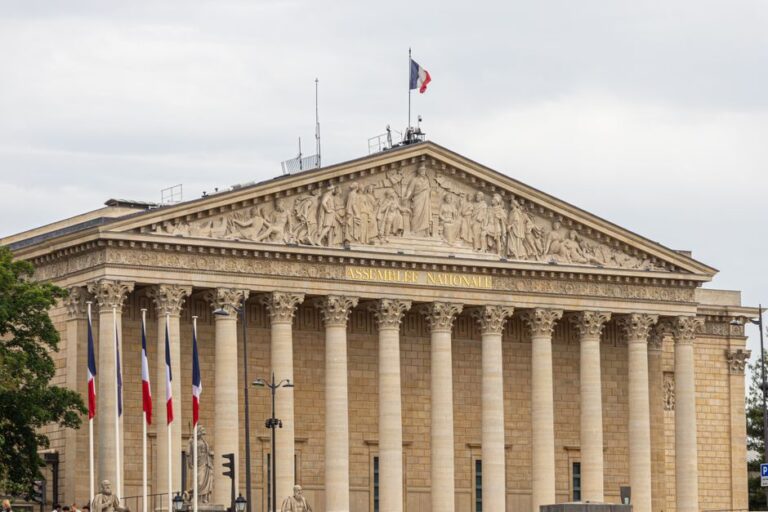
The political context matters. France remains in a state of parliamentary fragility following last year’s snap elections, which produced a hung assembly and left the government reliant on shifting coalitions to pass legislation. National Rally emerged from that contest significantly strengthened in terms of seats, and party strategists are understood to be treating every major domestic crisis as an opportunity to build the case for an eventual return to the polls on more favourable terms.
For European observers, the dynamic in France mirrors trends seen elsewhere on the continent. In Italy, Germany, and the Netherlands, far-right and populist parties have demonstrated a consistent ability to convert public frustration over service failures — regardless of their actual cause — into durable electoral gains. Whether the National Rally can translate its wildfire messaging into lasting political capital will depend in part on how long the crisis persists and how effectively the government is seen to have managed it. For now, the fires are still burning, and so is the political opportunity they have created.