Le Pen Returns to Her Political Heartland Amid Party Turbulence
Marine Le Pen, the head of National Rally’s parliamentary group in France’s National Assembly, has made a conspicuous return to Hénin-Beaumont — the northern French town that has long served as the symbolic and electoral bedrock of the far-right movement — as her party navigates a rocky opening to the new political season. The visit is widely interpreted as an effort to shore up support and project stability at a moment when National Rally faces a series of internal and external pressures.
Hénin-Beaumont, a former mining town in the Pas-de-Calais region, has been governed by National Rally for over a decade and is considered one of the party’s most reliable strongholds. For Le Pen, returning there carries a clear political message: that regardless of the turbulence buffeting the party at the national level, its grassroots foundations remain intact.
The timing of the visit is significant. According to reports, National Rally has endured a difficult start to the autumn political season, grappling with a range of challenges that have tested the party’s cohesion and public image. Despite this, Le Pen’s personal standing in opinion polls appears to have held relatively firm, with surveys suggesting she continues to lead among key demographic groups that the party relies upon for electoral success.
Resilience in the Polls, Pressure on the Ground
The apparent durability of Le Pen’s poll numbers offers National Rally a degree of reassurance, but analysts caution that polling leads at this stage of the political cycle can be deceptive. France’s fragmented political landscape, reshaped significantly by last year’s legislative elections, means that the far right must carefully manage both its parliamentary positioning and its relationship with voters who backed it in hopes of real policy influence.
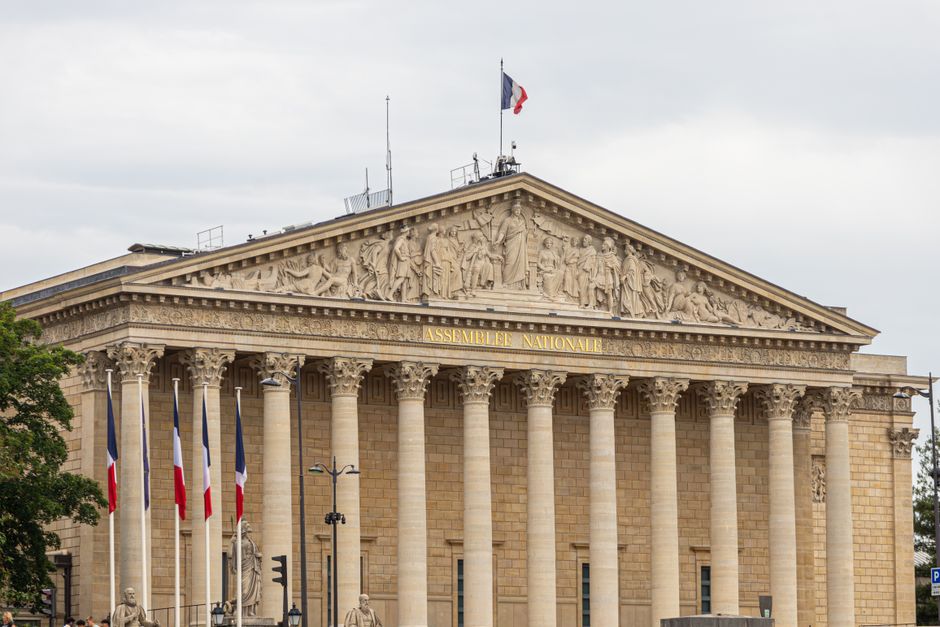
National Rally emerged from the most recent legislative elections as a major force in the National Assembly, yet fell short of the outright majority that would have allowed it to govern. That outcome has placed Le Pen in a delicate balancing act: maintaining her role as an influential opposition figure while keeping the party’s base energised ahead of future electoral contests, including the next presidential race.
The choice of Hénin-Beaumont as a venue for political recalibration underscores how deeply the party’s identity remains rooted in the post-industrial communities of northern and eastern France. These are towns where deindustrialisation, high unemployment and a sense of abandonment by Paris have historically provided fertile ground for National Rally’s message. Local officials in the region have long credited the party’s sustained municipal presence with giving it a credibility that transcends mere protest politics.
Whether the damage control effort will prove sufficient remains to be seen. France’s political calendar is increasingly crowded, and National Rally must contend not only with a resurgent left-wing alliance but also with centrist forces loyal to President Emmanuel Macron who are eager to blunt the far right’s momentum. For now, according to reports, the party is betting that Le Pen’s personal brand and the loyalty of stronghold communities like Hénin-Beaumont will provide the stability it needs to weather the current difficulties and emerge in a strong position for the contests ahead.