European Parliament Heads Into Summer Recess — But Political Manoeuvring Won’t Take a Holiday
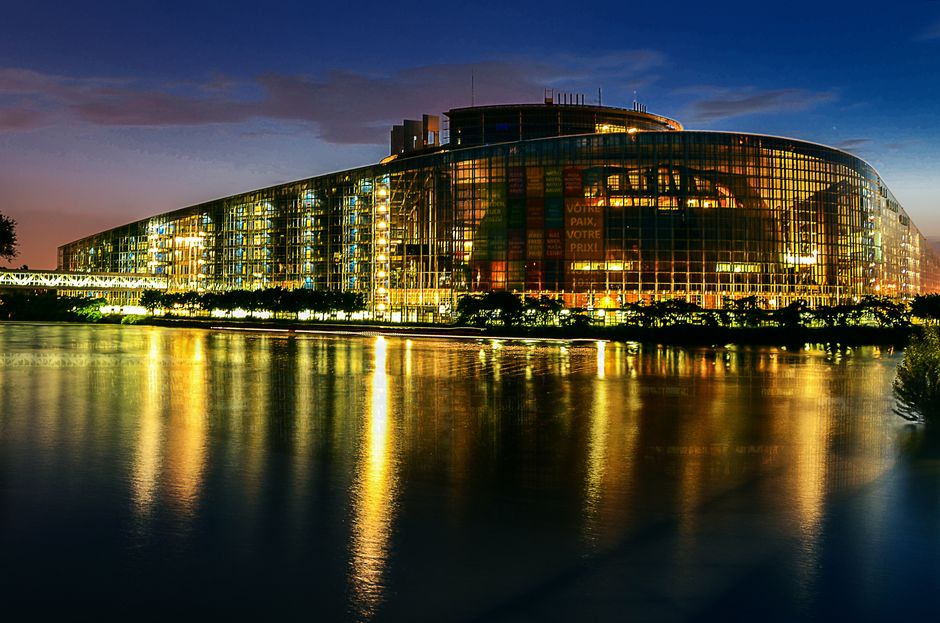
The European Parliament is set to begin its annual six-week summer break, sending all 719 of its lawmakers away from Brussels and Strasbourg until the end of August. Yet despite the formal pause in legislative activity, the political calendar is already casting a long shadow over the recess, with significant internal negotiations waiting the moment members return.
The assembly is scheduled to reconvene on 31 August, and when it does, lawmakers will immediately face the task of hammering out the details of Parliament’s midterm leadership reshuffle — a process that has historically proven both contentious and consequential for the institution’s internal balance of power.
A Reshuffle That Will Shape Parliament’s Second Half
The upcoming reshuffle concerns the redistribution of key parliamentary positions, including committee chairmanships and vice-presidencies, that typically occurs at the midpoint of a five-year legislative term. According to reports, negotiations over who secures which roles are already under way behind the scenes, with political groups using the summer period to lay the groundwork for deals that will be formalised once the institution is back in session.
The stakes are considerable. Committee chairmanships in particular carry significant influence over the Parliament’s legislative agenda, determining which proposals receive priority attention and how scrutiny of European Commission initiatives is conducted. Control of key portfolios — covering areas such as trade, the green transition, and the internal market — is expected to be fiercely contested among the Parliament’s major political groupings.
The current parliamentary term began following last June’s European elections, which reshaped the chamber’s political landscape. The centre-right European People’s Party consolidated its position as the largest group, while gains by nationalist and right-wing parties altered the dynamics of coalition-building across the institution. Those shifts are now expected to be reflected in the coming reshuffle negotiations, as groups seek to convert their electoral standing into institutional leverage.
Officials familiar with the process said the summer break, far from halting political activity, traditionally serves as an informal negotiating window. Away from the pressures of plenary sessions and public scrutiny, party leaders and their advisers are able to hold more candid discussions about their priorities and red lines before formal talks begin in September.
The reshuffle process is governed by inter-group agreements that date back to the Parliament’s founding conventions, requiring a degree of consensus that rarely emerges without considerable horse-trading. Smaller political groups, in particular, are expected to push hard to secure committee roles that reflect their representation in the chamber, while the larger groupings will seek to protect their dominant positions.
As Brussels empties out for August, the attention of European politics may shift temporarily elsewhere. But insiders warn that the decisions quietly being made over the summer will carry real consequences for how the Parliament functions — and what it prioritises — in the second half of its current term.