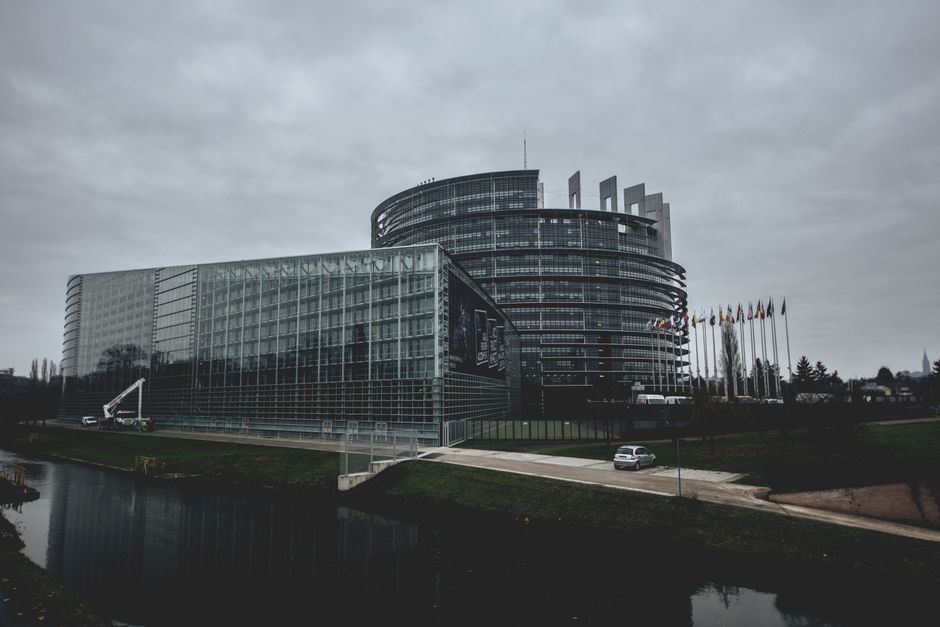
European Parliament’s Midterm Power Shuffle Sets Up a Summer of Difficult Negotiations
As the European Parliament approaches the halfway point of its current legislative term, the scramble to redistribute senior institutional positions is already generating significant tension among the major political groups, with longstanding agreements under strain and new alliances beginning to take shape.
The midterm reshuffle — a standard feature of the Parliament’s five-year cycle — requires the reassignment of key roles including committee chairmanships, vice-presidencies, and other leadership posts. While the process is a routine constitutional exercise, the political stakes this time around are considered particularly high, according to reports, given the shifting balance of power that followed last year’s European elections.
Old Deals, New Pressures
The agreements struck in the aftermath of the June 2024 elections distributed positions based on a particular reading of group strengths and coalition arithmetic. Since then, however, those calculations have been complicated by internal group dynamics, defections, and the growing assertiveness of newer or repositioned political forces within the chamber. Officials close to the negotiations have indicated that several of the understandings reached at the start of the term are now being contested, with groups arguing that changed circumstances justify a renegotiation of what they were originally allocated.
Committee chairmanships are among the most prized assets under discussion. These posts confer genuine legislative influence, allowing the chair to set agendas, manage amendments, and shape the pace of scrutiny over major European Union policy files. With several consequential legislative dossiers still in progress — ranging from the clean industry agenda to digital regulation — control over key committees carries tangible policy weight, not merely symbolic value.
The distribution of vice-presidencies within the Parliament’s bureau is equally contested. These positions, while partly ceremonial, carry procedural authority and serve as important signals of a group’s standing within the institution. Smaller groups are reported to be particularly active in pressing their claims, arguing that earlier arrangements left them underrepresented relative to their electoral performance.
Adding to the complexity is the role of national delegations within each political group. Large member states’ delegations frequently pursue their own interests during reshuffles, sometimes cutting across group-level strategies. According to reports, tensions between national and transnational logics are already surfacing in preliminary discussions, making a clean, consensus-driven outcome more difficult to achieve before the summer recess.
The timeline is adding its own pressure. Formal decisions on the reassignment of posts are expected before Parliament rises for its summer break, leaving limited room for extended diplomatic manoeuvring. Failure to reach agreement within that window risks carrying unresolved disputes into the autumn session, when the legislative calendar becomes considerably more demanding.
Observers of the institution note that midterm reshuffles have historically served as useful temperature checks on the broader health of the majority coalitions that govern the Parliament’s work. How smoothly — or otherwise — this one proceeds will offer an early indication of whether the alliances that have defined this term’s legislative output remain cohesive enough to see it through to 2029.