AfD’s Rise in Eastern Germany Casts Shadow Over Berlin’s Reform Agenda
The Alternative für Deutschland party’s strengthened foothold in eastern Germany is drawing fresh scrutiny from economists and political analysts, who warn that growing electoral fragmentation could complicate the federal government’s ability to push through the structural reforms Germany needs to sustain its fragile economic recovery.
The AfD’s strong performance in Saxony-Anhalt has underscored a broader trend of political realignment in Germany’s eastern states, where economic grievances, demographic decline, and dissatisfaction with mainstream parties have combined to erode support for the traditional centre. While the party’s regional gains do not directly translate into federal governing power, they contribute to a political landscape in Berlin that is already under significant strain.
Germany’s economy has been navigating a difficult period, grappling with sluggish industrial output, elevated energy costs following the disruption of Russian gas supplies, and weakening demand from key trading partners. Successive governments have faced calls to modernise the country’s infrastructure, reform its tax regime, and accelerate investment in digital and green technologies — measures that require broad legislative consensus that is becoming increasingly difficult to build.
Political Fragmentation Complicates Economic Governance
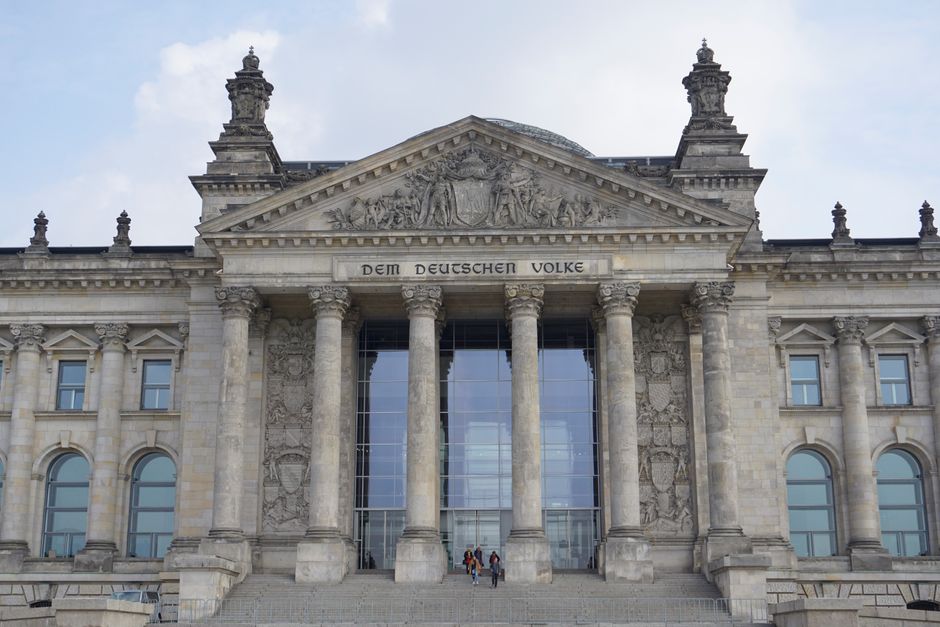
The concern among analysts is not simply about the AfD’s policy positions, but about what its continued growth signals for Germany’s capacity to govern effectively. A more fragmented Bundestag — with votes split across a wider spectrum of parties — makes coalition-building more protracted and legislative agendas harder to advance, according to reports from political risk observers. Delays to structural reform, at a time when Germany is under pressure to remain competitive within the European Union’s single market, could weigh on investor confidence and long-term growth prospects.
Business groups have reportedly expressed unease about the uncertainty that prolonged political instability could introduce, particularly regarding Germany’s commitments to EU-level fiscal and industrial policy frameworks. The country remains the bloc’s largest economy, and its domestic political dynamics carry consequences well beyond its own borders, influencing everything from eurozone stability to the pace of European defence and energy investment.
Officials in Brussels have also taken note of the shifting political terrain in Germany, though the European Commission has stopped short of direct commentary on another member state’s internal electoral outcomes. Quietly, however, European partners are watching to see whether Berlin retains the political bandwidth to remain a reliable anchor of EU policy coordination.
It is worth noting that regional election results in states such as Saxony-Anhalt do not automatically predict federal outcomes, and Germany’s mainstream parties retain significant organisational and institutional resources. Nonetheless, the cumulative effect of repeated strong showings by the far right in eastern Länder is reshaping the baseline assumptions of German politics in ways that economic policymakers cannot entirely discount.
As Germany heads deeper into a politically sensitive cycle ahead of future federal elections, the interplay between electoral volatility and economic policymaking is likely to remain a central preoccupation for markets, European partners, and domestic reform advocates alike. Whether Berlin can maintain the coalition cohesion needed to deliver meaningful economic change in that environment remains, for now, an open question.