Brussels Summit 2026: Ukraine, Defence and €1.9tn Budget on Table
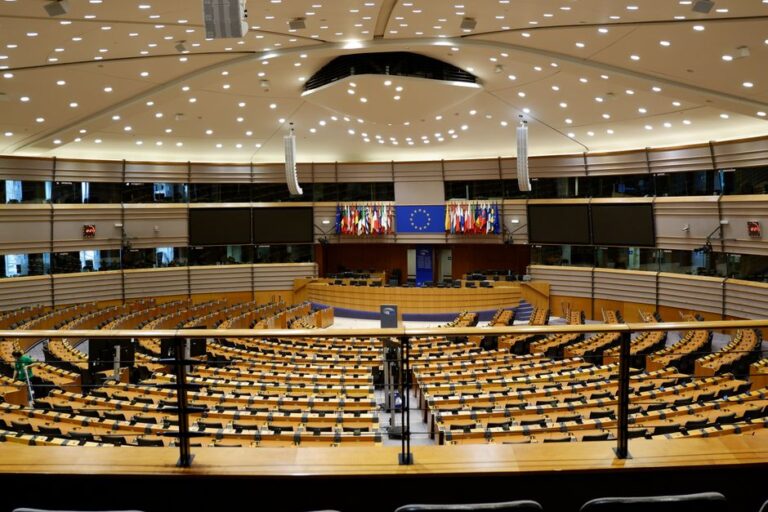
In two days, European Union leaders will gather in Brussels for what may prove the most consequential European Council summit of this decade. The 18–19 June meeting carries a compressed but formidable agenda: Ukraine’s path to membership, a €1.9 trillion budget framework that includes an unprecedented defence pillar, and a coordinated response to a rapidly shifting global order shaped by the G7 summit in Evian just days earlier.
President António Costa’s invitation letter of 11 June set the tone plainly. “We have a collective responsibility to reach an MFF agreement by end of year,” he wrote, framing the Multiannual Financial Framework negotiations not as a procedural milestone but as a political test of European credibility. The Cypriot presidency’s negotiating box, which contains concrete figures for the first time, has transformed the MFF talks from abstract positioning into a genuine financial negotiation. The Commission’s proposal totals €1.9 trillion, with €131 billion ring-fenced for defence — an entirely new budgetary pillar that reflects how profoundly European security thinking has shifted since 2022.
The defence dimension extends well beyond budget lines. Leaders will discuss the operationalisation of Article 42(7), the EU’s mutual defence clause, in a signal that the bloc is moving from declaratory solidarity to enforceable commitment. The European Defence Industry Programme, a €1.5 billion deal finalised on 10 June, and the ReArm Europe package are already legislative realities. Brussels now debates not whether Europe should rearm, but how fast and under whose command architecture.
Ukraine’s presence at the summit carries symbolic and substantive weight. President Volodymyr Zelenskyy will address EU leaders directly, a gesture that underscores the political urgency surrounding Kyiv’s membership prospects. The opening of the first accession cluster for Ukraine and Moldova on 12 June ended what negotiators had quietly described as a long impasse. Enlargement is regaining genuine momentum: the Western Balkans featured prominently at the Tivat summit in early June, and Costa’s agenda treats enlargement as a strategic instrument rather than an aspirational project.
The G7 meeting in Evian from 15 to 17 June feeds directly into Thursday’s deliberations. Outcomes on Ukraine support, the preliminary US-Iran peace framework, artificial intelligence governance, and trade imbalances will shape the European Council’s conclusions on each of those files. The sequencing is deliberate: Brussels absorbs Evian’s outputs and translates them into EU-level positions with the weight of twenty-seven governments behind them. On the Middle East, the EU is expected to present a coordinated stance that reflects both the post-Evian diplomatic landscape and accumulated European frustration at the pace of ceasefire negotiations.
The summit’s competitiveness agenda centres on the ‘One Europe, One Market’ roadmap, which leaders will review against a backdrop of global macro imbalances that the G7 communiqué addressed directly. The interplay between European industrial strategy and transatlantic trade tensions gives this item sharper edges than it might carry in calmer times.
Migration and illicit drug trafficking return as standing agenda items, though both risk being overshadowed by the larger financial and security files demanding resolution.
The presence of Hungarian Prime Minister Viktor Orbán adds a predictable but consequential undercurrent. Budapest’s leverage over MFF unanimity and its ongoing block on a Ukraine loan facility are expected to dominate bilateral conversations on the summit’s margins. Orbán’s attendance confirms that Hungary, however isolated politically, retains structural power within treaty rules that require consensus. How Costa and key member state leaders manage that dynamic — behind closed doors and at the leaders’ dinner — may ultimately determine whether the ambitious end-2026 MFF deadline holds.