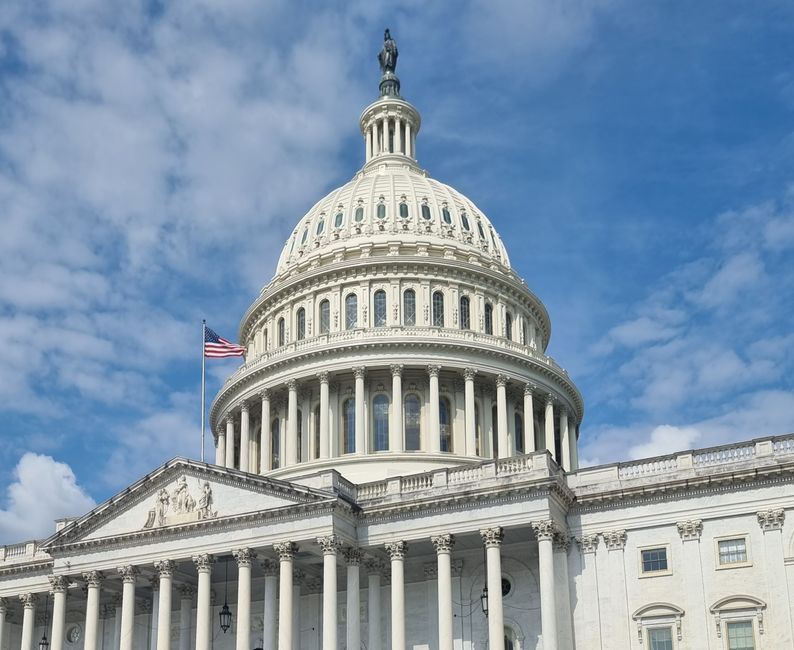
Israel loses a key voice in Washington with the death of Senator Lindsey Graham
The death of Senator Lindsey Graham has left Israeli officials and their allies in Washington grappling with the loss of one of the most reliably vocal advocates for Israel’s strategic interests in the United States Congress, according to reports. Graham, a senior Republican from South Carolina who served for decades on the Senate Armed Services Committee, was widely regarded as a cornerstone of pro-Israel sentiment on Capitol Hill and a persistent champion of hawkish American foreign policy in the Middle East.
Graham’s passing removes a figure who had long pushed for aggressive American posturing toward Iran, including repeatedly advocating for direct military strikes against Iranian nuclear infrastructure. His position placed him among the most hardline voices in Washington on the question of Tehran’s nuclear ambitions, and he frequently used his platform to argue that military force — rather than diplomacy alone — represented the only credible deterrent against an Iranian bomb.
A reliable ally on multiple fronts
Beyond Iran, Graham’s support for Israel extended across a range of foreign policy and security issues. He was a consistent supporter of robust American military aid packages to Israel and used his perch on key Senate committees to defend those allocations against critics. He also travelled regularly to the region, cultivating personal relationships with Israeli officials that gave him a level of influence extending well beyond formal legislative channels, according to reports.
For Israeli policymakers, the concern is not simply the loss of an individual senator but the erosion of a particular brand of unconditional, strategically assertive support that Graham embodied. While the broader Republican Party has generally maintained strong backing for Israel, the landscape has become more complicated in recent years, with a strand of isolationist sentiment growing within the party’s base. Graham was one of the figures who actively resisted that shift.
The timing adds a further layer of complexity. Washington is currently navigating fraught negotiations over a ceasefire framework in Gaza, ongoing uncertainty around the Iran nuclear file, and questions about the long-term trajectory of American engagement in the Middle East. Losing a senator with Graham’s institutional knowledge and network at this particular moment is seen by analysts as a genuine setback for those seeking to maintain the traditional Washington-Tel Aviv axis at full strength.
Graham’s Republican colleagues are expected to continue pressing broadly similar foreign policy lines, but filling the specific role he occupied — as a persistent, high-profile surrogate willing to take combative public stances — will not be straightforward. No single senator currently commands the same combination of committee seniority, media profile, and personal investment in the Israeli-American relationship, according to observers familiar with the dynamics of Capitol Hill.
European governments, many of which have pursued a markedly different approach to the Iran nuclear question and to the Gaza conflict, may find that the shifting balance within Washington’s foreign policy debate opens space for alternative diplomatic frameworks. However, analysts caution that structural American support for Israel runs deep across both parties and that no single personnel change is likely to produce a fundamental reorientation of United States policy in the near term.