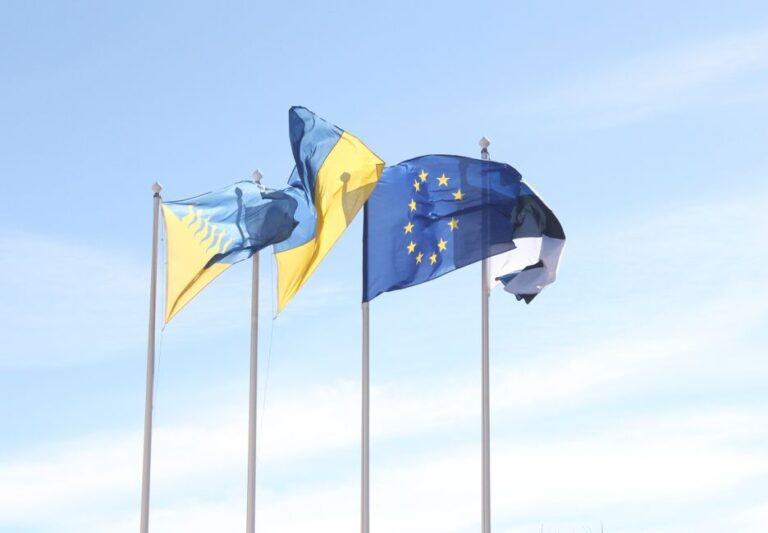
Nine EU Nations and Ukraine Launch Joint Missile Defence Coalition
A newly formed coalition of nine European countries and Ukraine has announced the establishment of a coordinated anti-ballistic missile defence initiative, marking one of the most significant steps toward collective European air security in recent years. The alliance, described in its founding declaration as serving an exclusively defensive purpose, comes amid heightened anxiety across the continent over the proliferating threat posed by ballistic missile systems.
The coalition unites a group of EU and allied nations in a shared framework designed to bolster continental resilience against missile strikes. While the full list of participating states has been reported across European outlets, officials have emphasised that the partnership is structured to complement existing NATO and EU defence architectures rather than replace or duplicate them. According to reports, the founding declaration explicitly characterises the grouping’s mandate as purely defensive in nature.
Responding to a Shifting Security Landscape
The timing of the announcement is difficult to separate from the ongoing war in Ukraine, which has exposed the devastating effectiveness of ballistic missile attacks on civilian and military infrastructure alike. Ukraine’s inclusion in the coalition is particularly notable, given that the country has been on the receiving end of sustained ballistic missile campaigns since Russia’s full-scale invasion began in February 2022. European officials have grown increasingly vocal about the need to upgrade the continent’s detection, interception, and early-warning capabilities in response to what they describe as a fundamentally altered threat environment.
Analysts have noted that European air defence capacity has historically lagged behind other elements of collective security, with NATO’s integrated air defence system shouldering much of the burden for member states. The creation of a dedicated multinational coalition focused specifically on ballistic threats signals a growing political will among certain European governments to accelerate investment and coordination in this area, independent of broader NATO procurement timelines.
The initiative also arrives as several European nations continue to expand their defence budgets in response to pressure from both Washington and their own domestic security assessments. Ballistic missile technology, long considered a concern primarily for eastern flank nations, has increasingly been framed as a pan-European challenge, particularly given the extended ranges of modern missile systems and the potential for escalation beyond the immediate theatre of conflict in Ukraine.
According to reports, the coalition is expected to focus on interoperability between national defence systems, joint intelligence sharing on ballistic missile movements, and coordinated procurement of interception capabilities. The mechanism by which the nine European states and Ukraine will share operational responsibilities remains to be detailed in subsequent technical agreements, officials indicated.
The coalition’s formation is likely to draw close attention from both Washington and Moscow. For the United States, it may represent a welcome sign of European strategic autonomy in defence; for Russia, it will almost certainly be framed as another element of NATO-aligned encirclement, despite the founding declaration’s defensive framing. How the coalition evolves in practice — and whether additional European states seek to join — will be among the key questions shaping the continent’s security architecture in the months ahead.