EU Affairs Ministers Meet in Luxembourg to Finalise June European Council Agenda on MFF and Hungary
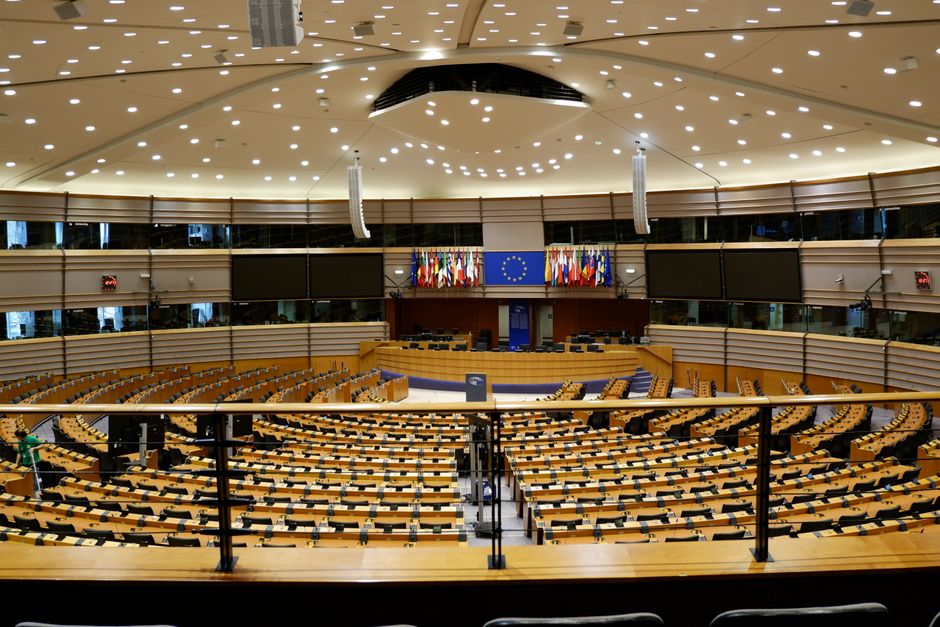
EU affairs ministers gathered in Luxembourg on Tuesday to finalise preparations for this month’s European Council summit, with discussions centred on the bloc’s next long-term budget framework and ongoing concerns over rule-of-law backsliding in Hungary. The General Affairs Council meeting on 8 June served as the key coordination forum ahead of what is expected to be a contentious leaders’ summit later this month.
The Multiannual Financial Framework (MFF) for 2028-2034 dominated the agenda, with ministers examining a negotiating box structured around three main pillars covering spending priorities, revenue sources, and governance mechanisms. The seven-year budget plan, which will determine how the European Union allocates resources across policy areas from cohesion and agriculture to research and defence, remains subject to deep divisions between net contributor and net beneficiary member states. Ministers made no breakthrough on the most contentious issues, but the exchange allowed delegations to clarify their positions ahead of political negotiations at head-of-state level.
The Council also received a procedural update on the Article 7 procedures against Hungary, the EU’s most severe disciplinary mechanism for systematic threats to fundamental values. While no new measures were adopted, the item remained on the formal agenda as required by treaty provisions. Hungary has been subject to Article 7 proceedings since 2018 over concerns about judicial independence, media pluralism, and fundamental rights, though the process has yielded limited practical consequences to date.
In a more consensual move, ministers formally endorsed the Council’s 18-month work programme covering the period from July 2026 through December 2027. The programme will guide the legislative priorities across three successive Council presidencies and reflects member states’ attempts to streamline decision-making procedures. As part of this efficiency drive, ministers also reviewed a presidency simplification progress report examining ways to reduce administrative burden and accelerate inter-institutional negotiations on pending legislative files.
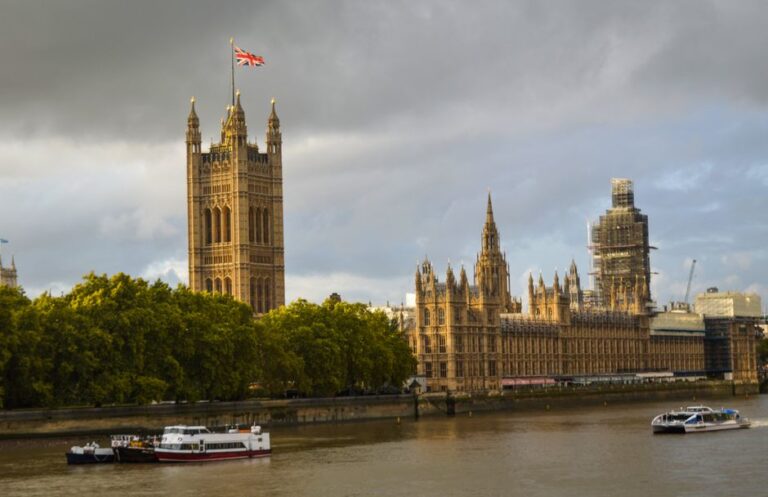
The meeting additionally featured a state-of-play discussion on EU-UK relations, reflecting continued efforts to manage the post-Brexit relationship across multiple policy domains. While no specific agreements were announced, the exchange allowed ministers to coordinate positions on ongoing technical dialogues with London, particularly regarding trade implementation, security cooperation, and youth mobility schemes that have been the subject of exploratory talks in recent months.
The General Affairs Council, composed of EU affairs or Europe ministers from each member state, traditionally meets the day before European Council summits to ensure coherence and prepare the ground for leaders’ discussions. Tuesday’s meeting in Luxembourg follows this established pattern, with the June European Council expected to convene in Brussels in the coming weeks. The forthcoming summit faces a packed agenda, with EU leaders needing to provide political direction on budget negotiations while navigating persistent East-West tensions over rule-of-law enforcement and institutional reforms. How member states bridge their differences on MFF priorities—particularly regarding the balance between traditional policies and emerging challenges such as defence and climate transition—will significantly shape the Union’s capacity to respond to geopolitical and economic pressures through the end of the decade.