Slovenia’s Triglav Glacier Vanishes After Scorching Summer
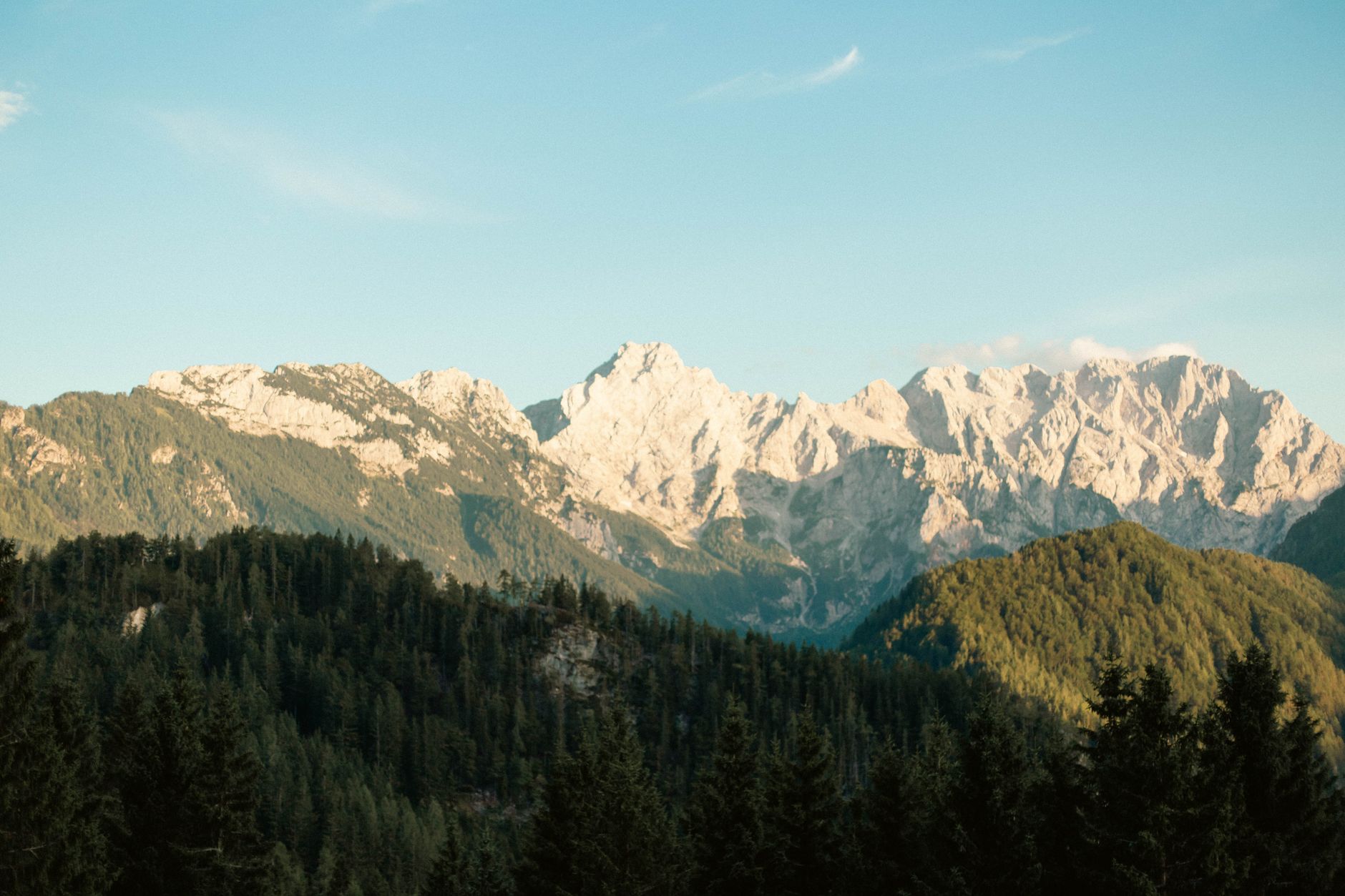
The last remnants of ice on Slovenia’s Triglav glacier have disappeared, marking the end of a natural feature that held deep cultural significance for the nation. The glacier, which clung to the country’s highest peak, lost 93 percent of its surface area between 1983 and 2003 and had shrunk to less than a hectare of rock. Researchers had feared its imminent demise two decades ago, but it managed to persist until this year.
By the end of summer, the main body of ice had melted into a handful of isolated pockets, with the final remnant measuring just a few metres. New photographs taken either side of a snowfall this month confirmed that no ice remains. Matija Zorn, director of the Anton Melik Geographical Institute, said Mount Triglav “holds a central place in Slovenian national identity.”
Climate change takes its toll
Zorn, who first took measurements at the glacier in 2001, said the rate of change was surprising even in decades when the glacier defied expectations. “Every year I knew that the ice was going to be less and less,” he said. “But I was shocked every year [by] how much less ice was up there.” In 2002, he took an ice core for geochemical analysis about five metres deep; the next year, he stood on the same spot and found only rock.
The loss of the Triglav glacier is part of a broader pattern across the Alps, where heatwaves made hotter by carbon pollution have ravaged ice fields. Last month, Swiss glaciologists reported that nearly a fifth of Switzerland’s ice disappeared in the last five years, with a volume drop of 5.5 percent in 2026. Slovenia, home to the south-eastern tip of the Alps, has seen its glaciers suffer most of their decline in the last century.
Historical photos and documents show that the Triglav glacier covered about 40 hectares in the mid-1800s, but by 1946, when formal measurements began, its area had shrunk to just 14 hectares. Zorn described the melting as “incredible.” Meanwhile, a second glacier on Skuta mountain has also shrunk and thinned, though it is better shaded and expected to hold out a few more years. Miha Pavšek, a glaciologist and mountain guide, said “nature is changing in front of our eyes” and that people are not yet taking it seriously. He has a photograph of his parents at the glacier from 1957 and reflected, “With the melting of the glacier, a part of me is also going away.”