France’s Nuclear Grid Strained as Heatwaves and Jellyfish Force Major Capacity Cuts
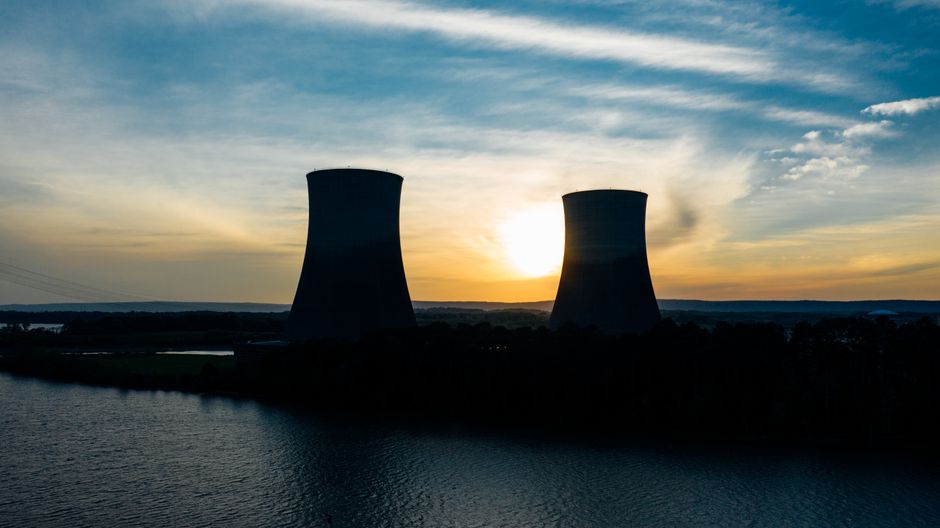
France, which relies on nuclear energy for roughly 70 percent of its electricity supply, has seen approximately one-fifth of its nuclear generating capacity taken offline this year, as an unusual combination of extreme weather events and marine life incursions disrupts operations at multiple plants across the country.
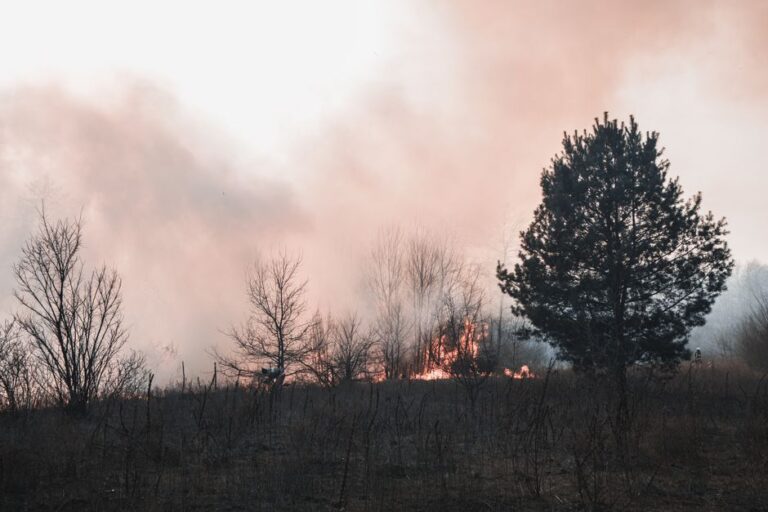
Repeated heatwaves and prolonged drought conditions have forced operators to reduce or suspend output at several reactors, according to reports. Nuclear power stations in France depend heavily on river water for cooling purposes, and when water temperatures rise too high or river levels drop too low, regulations require that plants curtail their operations to prevent further warming of local waterways — a safeguard designed to protect aquatic ecosystems downstream.
An Unlikely Culprit Joins the Climate Pressures
Adding to the difficulties posed by drought and heat, jellyfish swarms have been identified as a contributing factor in disruptions at coastal facilities. Seawater intake systems at plants located along France’s coastline have been clogged or impaired by large concentrations of jellyfish, forcing engineers to slow or halt operations while filters and intake infrastructure are cleared. Officials said such incidents, while not entirely unprecedented, have become more frequent and operationally significant in recent years.
The convergence of these two distinct but climate-linked problems has drawn renewed attention to the vulnerabilities embedded within France’s energy model. Critics and energy analysts have long pointed out that a grid so heavily dependent on a single source of generation — even one as low-carbon as nuclear — carries inherent risks when that source proves sensitive to environmental conditions that are growing more extreme and unpredictable.
France’s state energy operator has been working to manage supply across the national grid, though the simultaneous reduction of capacity at multiple sites has placed strain on the system, particularly during periods of peak summer demand when air conditioning use surges. According to reports, France has at times been required to import electricity from neighbouring European countries to balance demand, reversing its traditional role as a net exporter of power to the continent.
The disruptions come at a sensitive moment for French energy policy. The government has committed to a significant expansion of nuclear capacity in the coming decades, with plans to construct several new-generation reactors as part of a broader strategy to reduce carbon emissions while maintaining energy sovereignty. However, opponents argue that the events of this year illustrate how climate change itself poses a systemic threat to nuclear reliability, undermining the case for nuclear as a stable long-term cornerstone of the energy mix.
European energy markets have also felt the ripple effects of reduced French nuclear output. France has historically exported surplus electricity to Germany, Italy, Spain, and other neighbours, acting as a stabilising force in the broader continental grid. When French generation falls short, it increases pressure on energy prices across the region and forces greater reliance on fossil fuel generation elsewhere, partially offsetting the carbon benefits that nuclear power is intended to deliver. Policymakers and grid operators across the continent are watching developments closely as Europe faces what is widely expected to be a long-term increase in the frequency and intensity of heatwaves in the decades ahead.