Securing energy and trade flows in geo-economic conflicts
The global trade system is no longer the neutral terrain it was once assumed to be. For decades, policymakers believed that increased commerce would make countries more secure and stable. Today, however, tariffs and export controls have become instruments of coercion, turning interdependence into a double-edged sword. Europe learned this lesson in 2022, when Russian gas—long considered a dependable commodity—was suddenly weaponized.
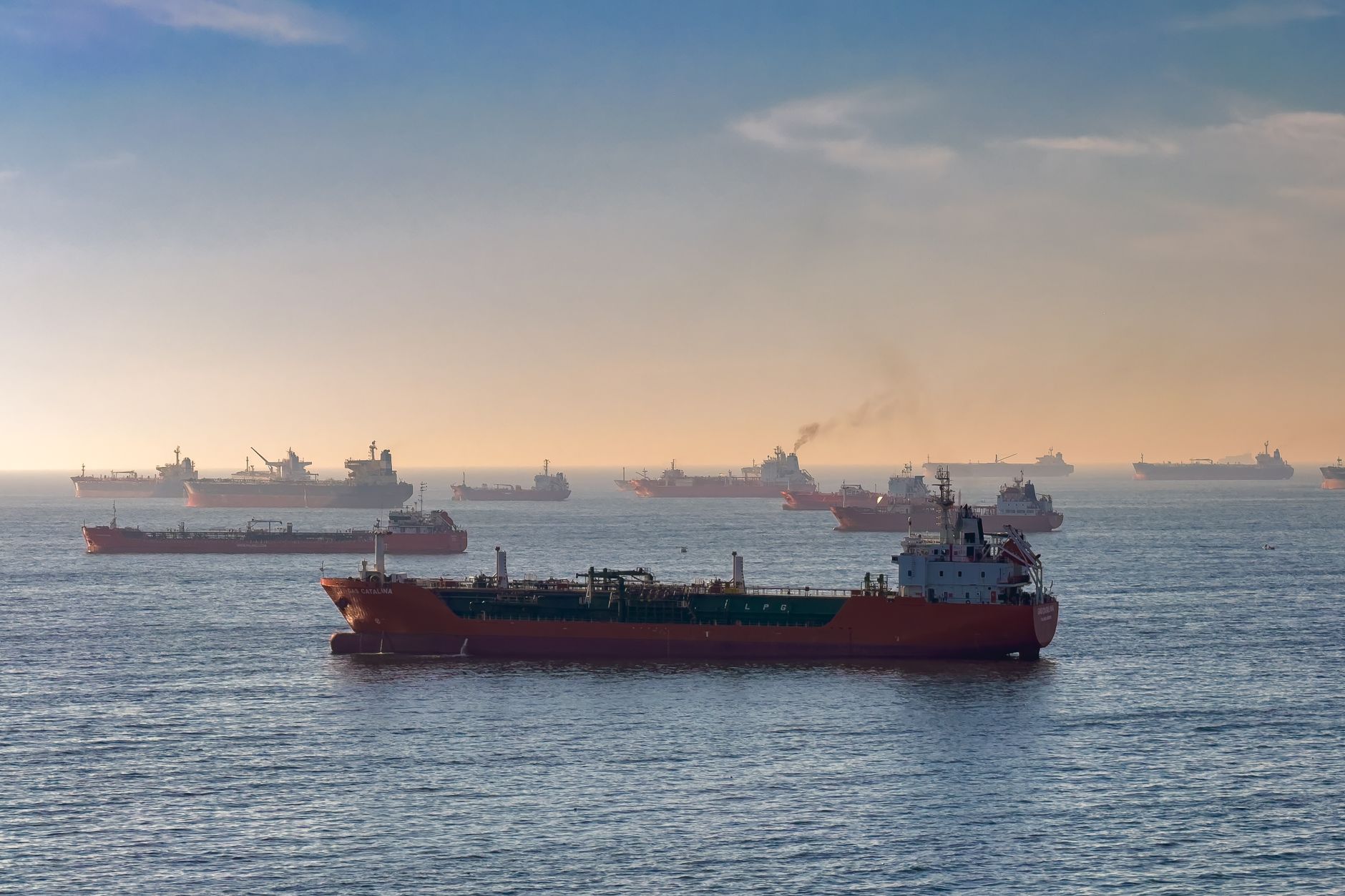
Despite the rise of the digital economy, a large portion of world trade still transits narrow maritime corridors. The Strait of Hormuz, the Suez Canal, and the Bab el-Mandeb Strait are among the chokepoints whose partial closure could severely disrupt global commerce. In 2023, attacks on merchant vessels in the Red Sea forced major container lines to reroute around Africa, leading to higher insurance costs, greater fuel consumption, and longer delivery times. At the same time, an extreme drought compelled the Panama Canal to reduce daily transits, constraining two of the world’s key sea shortcuts simultaneously.
The 2026 Hormuz crisis and its aftermath
The outbreak of war between the United States, Israel, and Iran on 28 February 2026 brought these vulnerabilities into sharp focus. Iran’s Revolutionary Guard closed the Strait of Hormuz to control oil exports from the Gulf Cooperation Council, and within two weeks the International Energy Agency reported that flows through the strait had fallen to one-tenth of normal levels. Asian importers, highly dependent on Gulf crude, suffered the most. The disruption extended beyond oil: urea fertilizers, which also transit the strait, became scarce, driving up food prices.
Gulf countries showed resilience by finding alternative export routes. The United Arab Emirates, for example, had already built the Habshan-Fujeirah line, completed in 2012, to bypass the strait. Such infrastructure proved essential in mitigating the crisis. Yet securing energy and trade flows in geo-economic conflicts requires more than protecting ships and pipelines; it demands systems flexible enough to absorb shocks.
Strategies for resilience and future security
At the TRENDS Annual Forum on 12 October 2026, themed “Sustainable Security: The Post-War Future of the Middle East,” experts examined how the region—central to the global economy and frequently exposed to conflict—can secure its trade. One approach is spreading risk by creating more land routes. The India-Middle East-Europe Economic Corridor, currently in development, aims to connect several countries through a single trade line. A second approach is “friend-shoring,” which relocates sensitive supply chains to allied nations. Though costly, it works most efficiently when a country faces war, demonstrating the benefits of economic partnerships and investments in ports across different geographies.
A third option is stockpiling. In March 2026, the IEA agreed to release 400 million barrels of emergency reserves. Such reserves will not end a crisis, but they buy time for diplomacy. These measures have global repercussions, affecting everyday experiences through shifting costs for fuel, farming, and food supplies. Establishing lasting stability in the post-conflict Middle East requires departing from past patterns and ensuring that future security is not merely a reaction to a continuous cycle of emergencies. This column is sponsor-generated content.