Syria’s Financial Reintegration Marked by Presidential Coffee Purchase with Visa Card
In a gesture laden with symbolism, Syria’s president used a Visa card to pay for a coffee at a café in Damascus this week, marking what officials are describing as a historic turning point for the country’s economy: the formal reconnection of Syrian banks to the global financial system following the country’s removal from the United States’ list of state sponsors of terrorism.
The act, deliberately staged for its public significance, underscored a shift that economists and policy observers have been watching closely. For decades, Syria’s financial sector operated in near-total isolation from international banking networks, leaving businesses, citizens, and institutions unable to conduct routine cross-border transactions. The return of card payment infrastructure — long taken for granted elsewhere — signals that basic financial normalcy may finally be within reach for ordinary Syrians.
Lifting of Sanctions Opens Path to Global Banking
Syria’s removal from the US state sponsors of terrorism list, a designation the country had held for many years, was the critical precondition for its banks to re-engage with international financial institutions. The designation had effectively barred Syrian lenders from accessing correspondent banking relationships, blocking dollar-denominated transactions and cutting the country off from systems such as SWIFT, which underpins the vast majority of cross-border financial activity worldwide.
According to reports, the reconnection process has now begun in earnest, with payment networks including Visa resuming operations in the country. The practical implications are significant: Syrian businesses may now be able to receive international payments, import goods through formal banking channels, and access trade financing that was previously unavailable to them.
For the broader Syrian population, the changes could translate into greater access to remittances from the diaspora, which represents a substantial source of income for many families. Previously, such transfers often relied on informal money transfer operators carrying higher fees and greater risk, according to analysts familiar with the region’s financial landscape.
The symbolic weight of the presidential coffee purchase was not lost on observers. Governments and institutions frequently use carefully choreographed moments to communicate policy shifts to domestic and international audiences alike, and the image of a head of state performing an entirely ordinary commercial transaction — one that had been impossible in Syria for years — was clearly intended to project confidence in the country’s trajectory.
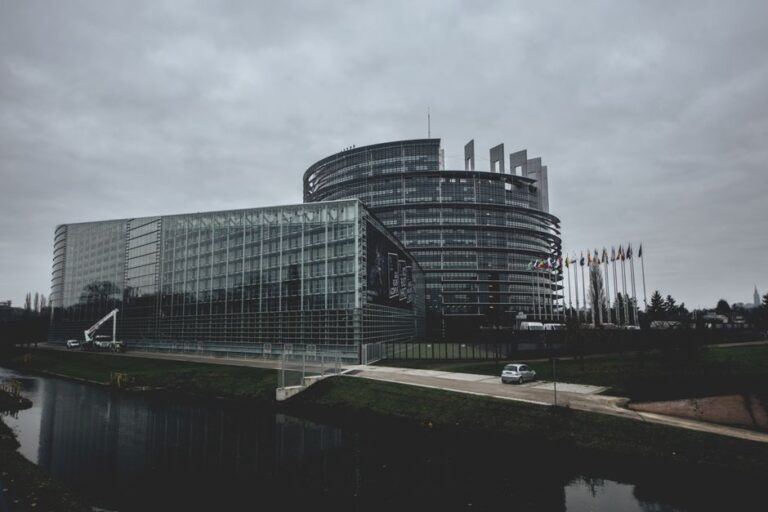
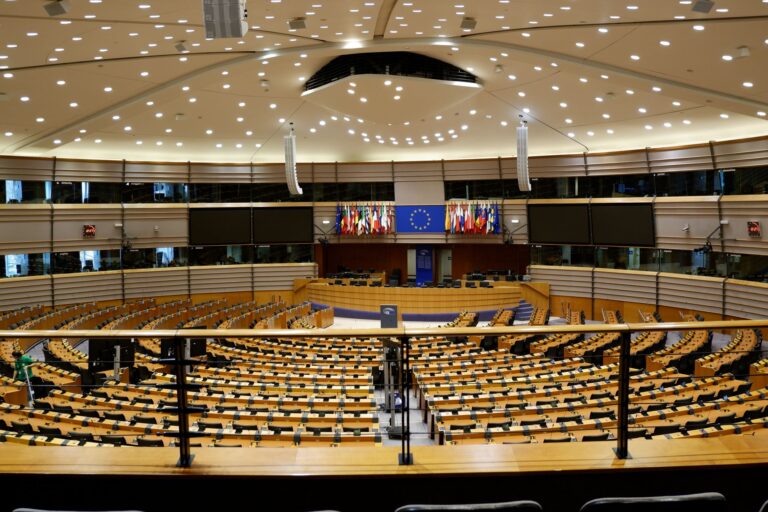
European governments and institutions are monitoring the developments with considerable interest. The European Union has maintained its own extensive sanctions regime on Syria, which is separate from US measures, and Brussels has not yet indicated whether or when it intends to follow Washington’s lead in adjusting its posture. Businesses across Europe with potential commercial interests in Syria are likely to seek clarity on the EU’s position before committing to any re-engagement, given the legal complexities involved in operating in partially sanctioned environments.
Analysts caution that while the symbolic and technical steps toward reintegration are meaningful, Syria’s economic recovery faces formidable structural challenges, including widespread infrastructure destruction, high unemployment, and the need for substantial foreign investment. Reconnecting to global payment systems is a necessary condition for economic revival, experts note, but far from a sufficient one. The coming months will test whether the initial momentum translates into tangible improvements for a population that has endured years of severe economic hardship.