Greek Marine Fisheries Generate €166.6 Million in 2025 as Anchovy Leads Record Haul
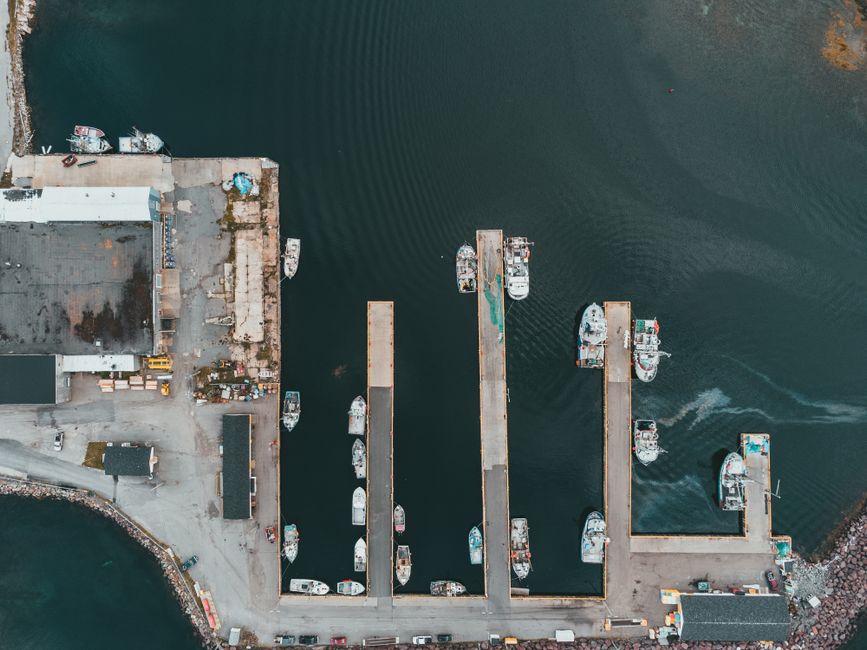
Greece’s marine fishing sector has posted a strong performance in 2025, with total catches exceeding 42,000 tonnes and generating revenues of approximately €166.6 million, according to reports on the country’s annual fisheries output. The figures underline the enduring economic importance of the fishing industry to one of Europe’s most maritime-oriented nations.
The Northern Aegean Sea emerged as the dominant fishing zone, accounting for just over two-thirds of the country’s total marine production. The region’s rich and productive waters have long served as the backbone of the Greek fishing industry, and this year’s data reinforces its central role in national supply chains and coastal livelihoods.
Anchovy Drives Output Across Greek Waters
Among the species caught, anchovy proved to be the standout performer, dominating the national catch by volume. The small pelagic fish is a staple of both Greek cuisine and the country’s fish processing and canning industries, making it a commercially vital species well beyond its raw market value. Officials noted that anchovy’s strong showing reflects both healthy stock levels in key fishing areas and sustained demand from domestic and export markets alike.
The broader results suggest that Greek marine fisheries have maintained a degree of resilience despite persistent pressures facing the sector across Europe. Rising fuel costs, increasingly stringent European Union environmental regulations, and the long-term challenge of ensuring sustainable stock management have all weighed on fishing communities in recent years. Against that backdrop, the 2025 figures represent an encouraging signal for an industry that supports thousands of jobs along Greece’s extensive coastline and island communities.
Greece operates one of the largest fishing fleets in the Mediterranean, and the country’s geographical configuration — with thousands of kilometres of coastline and hundreds of inhabited islands — means that marine fisheries are woven deeply into local economies and cultural identities. Small-scale, artisanal fishing operations remain widespread alongside larger commercial enterprises, particularly in the Aegean and Ionian seas.
The concentration of production in the Northern Aegean also raises questions about the equitable distribution of economic benefits across different regions of the country. Areas in the Southern Aegean, the Ionian, and waters around Crete contribute to overall output but at considerably lower volumes, according to the available data. Policymakers and fishing associations have in recent years called for greater investment in infrastructure and vessel modernisation in underperforming regions to help balance national production more evenly.
At the European level, Greek fisheries operate within the framework of the Common Fisheries Policy, which sets catch quotas and conservation measures aimed at preventing overfishing across EU waters. Greece has at times clashed with Brussels over quota allocations, arguing that the specific ecological conditions of the Mediterranean require approaches distinct from those applied in the Atlantic and North Sea. The 2025 production data is likely to inform ongoing negotiations around quota-setting and resource management for the coming seasons, as both national authorities and EU institutions seek to balance economic output with long-term environmental sustainability.