European Youth Week 2026: Hundreds of Events Across the EU Celebrate Engagement, Participation and Active Citizenship
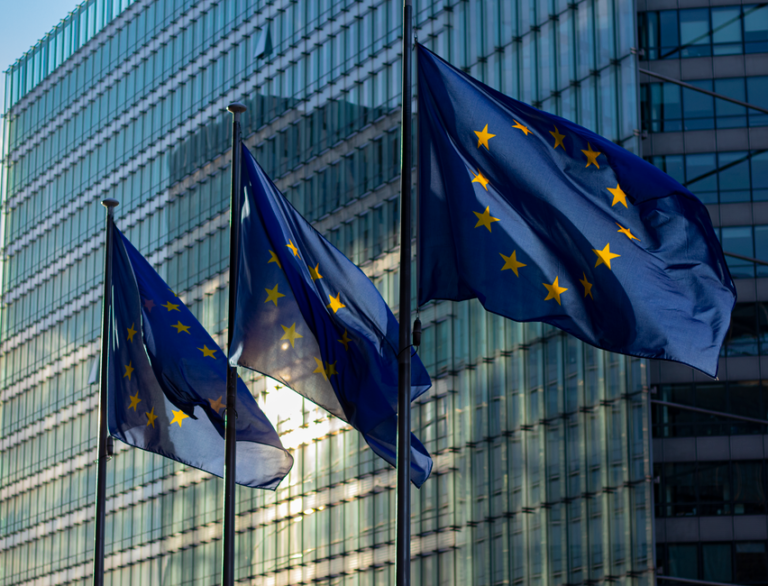
The European Youth Week 2026 unfolds across the European Union in late April and early May, organised by the European Commission as the biennial flagship moment for celebrating youth engagement, civic participation and active citizenship. The event, held every two years, brings together hundreds of activities across all 27 member states, partner countries and international youth networks.
The 2026 theme
This year’s central theme — “Your Europe, Your Future” — focuses on the role young Europeans play in shaping the EU’s response to the major transformations of the decade: climate, digital, security, democratic resilience and economic competitiveness. The 2026 edition follows the European Year of Skills (2023) and the European Year of Volunteering commemorative initiatives, building on the Conference on the Future of Europe legacy.
The events landscape
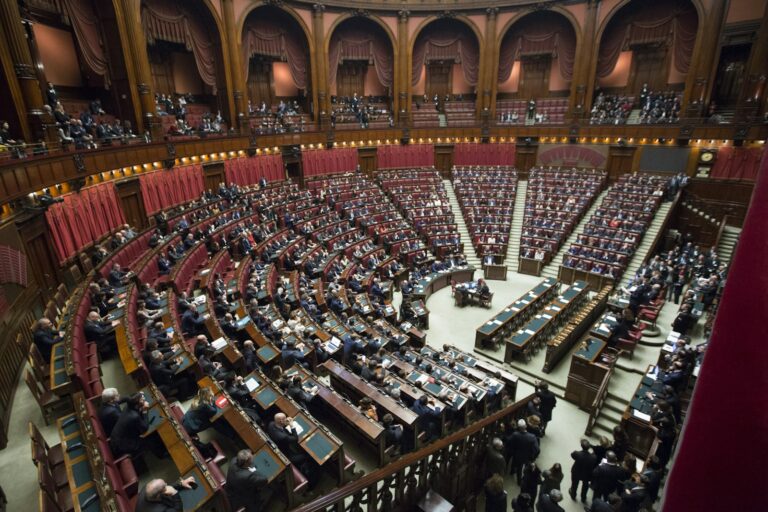
More than 1,000 events are organised across the Union — from local community activities to high-level dialogues. The European Parliament hosts the flagship European Youth Event (EYE) in Strasbourg, gathering over 10,000 young Europeans aged 16 to 30 to exchange ideas with MEPs, Commission officials and civil society leaders. Erasmus+ National Agencies coordinate parallel events in each member state, and National Youth Councils hold structured policy dialogues with their governments.
The Erasmus+ legacy
Throughout 2026, the EU continues to celebrate the success of Erasmus+, the EU’s flagship education and youth programme. Since its launch in 1987, more than 15 million young Europeans have benefited from study, training, volunteering or youth exchanges abroad. The 2021-2027 programme has a budget of €26.2 billion, with significant additional resources allocated for the green and digital transitions, inclusion of disadvantaged young people, and participation by partner countries.
The European Solidarity Corps
The European Solidarity Corps, the EU’s volunteering and solidarity programme for young people, is another central pillar of the Youth Week. Through 2026, the Corps offers volunteering, internship and job opportunities for young Europeans aged 18 to 30, with a particular focus on humanitarian aid in Ukraine, climate action across the EU, and integration support for refugees and migrants. The 2021-2027 budget stands at €1.0 billion.
Youth dialogue and policy
The Youth Week is the moment when the EU Youth Strategy 2019-2027 is reassessed and the conclusions of the EU Youth Dialogue are formally tabled to the Council. This year’s dialogue focuses on mental health, decent work, social inclusion and democratic participation. The Commission has committed to embed the youth check systematically in all major EU policy initiatives — assessing the impact of new legislation on young people from the early stages of policy design.
The participatory democracy dimension
Beyond the celebratory events, European Youth Week 2026 is also a moment for concrete democratic action. Several pilot projects test new forms of digital participation, including a Europe-wide youth referendum app on key policy questions, structured engagement with the upcoming European Citizens’ Initiatives, and direct input to the Commission’s Annual Work Programme for 2027. The objective is to translate youth voice from rhetorical commitment into measurable policy outcomes.
The challenges ahead
The 2026 edition unfolds against a sobering backdrop. Youth unemployment in the EU stands at 14.2%, more than double the overall unemployment rate. Mental health concerns among young Europeans have risen sharply since the pandemic. Far-right and Eurosceptic political forces have grown in several member states, often capturing youth disaffection. The Youth Week, in this context, is more than ceremonial: it is a test of European democratic resilience at the generational level.