European Heritage Days: how Europe’s biggest cultural participation programme works
Every September, around 70,000 cultural events open across 50 countries as part of European Heritage Days — the largest participatory cultural programme in Europe. Run jointly by the Council of Europe and the European Commission since 1999, the programme draws in the order of 20 million visitors each year. Most of them never paid an entry fee in their lives.
What European Heritage Days actually are
The structure is decentralised. Each participating country sets its own dates within September and October, picks an annual theme that interprets a shared European framework, and coordinates events at national, regional, and local level. France and Germany run their programmes on the same weekend; Italy and Spain spread theirs over multiple weekends; smaller countries often align with neighbours. The Council of Europe provides the framework; the Commission contributes funding and visibility through the Creative Europe programme.
The 2026 theme: ‘Architectural Heritage’
The shared 2026 framework theme — ‘Architectural Heritage’ — invites national programmes to explore how buildings, places, and built environments tell European stories. Past themes have included sustainable heritage, heritage and education, intangible heritage, and heritage routes. Each national coordinator interprets the theme locally, so visitors might find a 12th-century abbey opened for the weekend in one country, and a 1960s social housing complex hosting guided tours in another.
The participating sites
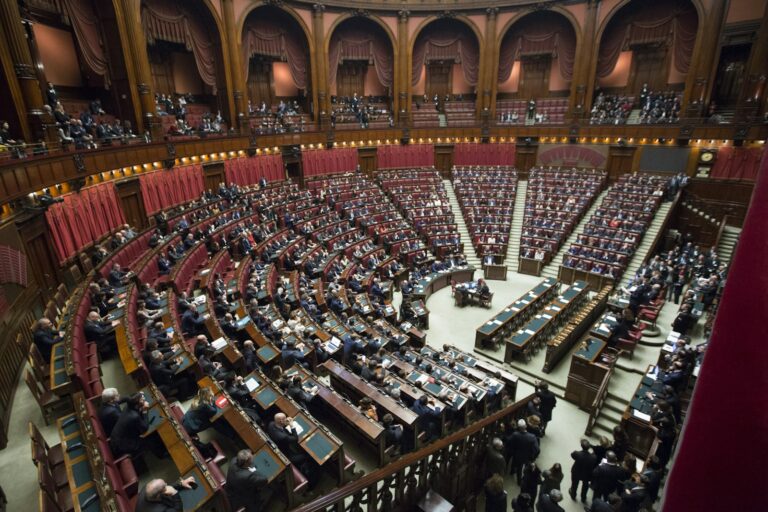
The programme’s scale is its defining feature. Privately owned chateaux and historic homes that are otherwise closed to the public open for the weekend. State institutions — ministries, courts, parliaments — open their doors. Working museums waive admission. Industrial heritage sites — old mines, factories, railway depots — host guided tours and demonstrations. Religious buildings, including mosques and synagogues, often align their open-doors programmes with European Heritage Days.
What makes it durable
Three features explain the programme’s longevity over a quarter-century. First, genuine local ownership: the events are organised by national heritage agencies, regional and local authorities, and an enormous volunteer network — not Brussels. Second, cross-political appeal: heritage is one of the few cultural domains that crosses political divides intact. Third, direct citizen participation: it is a programme that exists for the public to step into buildings they will otherwise see only from the outside. The political theory of European integration rarely produces 20-million-visitor-a-year programmes. Heritage does.
Funding and coordination
The European Commission supports the programme through Creative Europe, the EU’s funding instrument for the cultural and creative sectors. Direct funding for European Heritage Days is modest by EU standards — single-digit millions of euros annually for coordination, themes, and visibility — but the leverage on national, regional, and local budgets is many times that figure. National programmes also benefit from public-private partnerships and from an enormous volunteer effort that no public budget could replace.
Why it matters in 2026
European Heritage Days survive precisely because they offer an answer to a question that has gained urgency in recent years: what is shared, in Europe, beyond institutions and markets? The opening of a 14th-century cloister in Portugal, of a Bauhaus building in Dessau, of a Brutalist library in Yerevan, all on the same September weekend, points to a kind of European public space that is older than the European Union and likely to outlast every political fashion. The programme is, in that sense, a quiet answer to many louder ones.