Cannes 2026: The 79th Edition’s Lineup Reflects European Cinema’s Renewed Confidence
The 79th Cannes Film Festival (Festival de Cannes) opens in May 2026 with a lineup that reflects European cinema’s renewed political confidence and the global film industry’s ongoing transformation. After two years in which streaming-platform conflicts and post-pandemic recovery dominated the festival’s strategic narrative, the 2026 edition arrives with European cinema visibly reasserting its identity at the centre of world cinema’s most prestigious competition.
The competition lineup
The 2026 Competition section combines established European auteurs returning with significant new work and a generation of younger directors making their first or second Competition appearance. The selection — finalised by Festival Director Thierry Frémaux and the curatorial team — typically balances the festival’s three core constituencies: French cinema (always represented in numbers given the festival’s national hosting), European cinema in its broader sense (Italian, Spanish, German, Scandinavian, Eastern European productions), and global cinema where Cannes traditionally serves as the highest-prestige discovery platform.
The political dimension
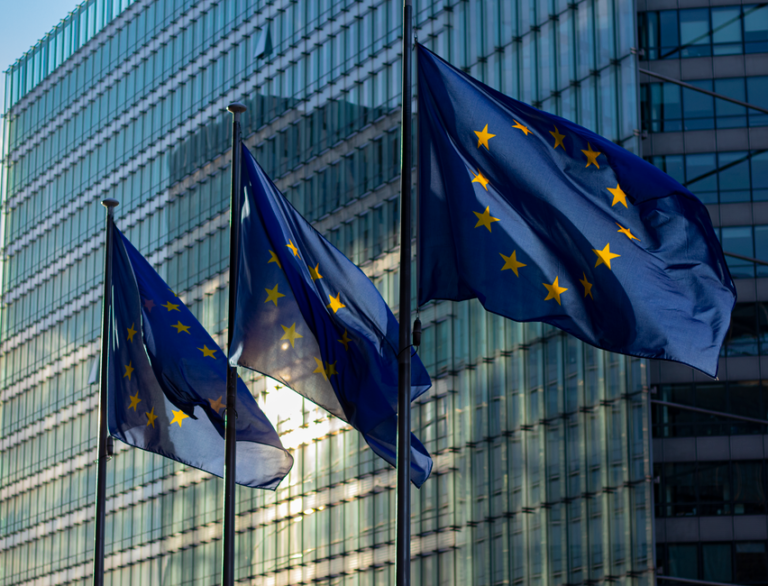
Cannes has always carried political weight beyond its cinematic function — as a soft-power instrument for French cultural policy, as a global stage for political statements by filmmakers, and as a barometer of which national cinemas are in ascendancy. The 2026 edition arrives during a year when European cultural identity is being explicitly reasserted in policy fora — the One Europe One Market roadmap, the 76th anniversary of the Schuman Declaration, the European Heritage Days. Festival programming choices, jury composition and red-carpet political moments will be read through that wider frame.
The streaming question, revisited
The streaming question has shaped Cannes’s strategic posture for over a decade. The festival’s continued requirement that Competition films receive a French theatrical release before streaming availability has positioned Cannes as the prestige venue most clearly aligned with theatrical exhibition’s priorities. In 2026, with Netflix and Apple TV+ both reportedly courting senior festival relationships and the streaming industry’s economics under pressure, the Cannes position has weight. Whether the 79th edition produces a fresh inflection in the streaming-theatrical balance — or maintains the existing equilibrium — will be one of the festival’s structural storylines.
The market dimension
Beyond the artistic competition, Cannes hosts the Marché du Film, the world’s largest film industry market by volume. The Marché’s 2026 edition will be examined as a leading indicator of independent film production’s health — particularly in Europe, where co-financing structures involving public broadcasters, regional film funds, and private equity are under strain after a difficult 2024-2025 production cycle. Sales agents, distributors and broadcasters tracking the market will be watching for both volume of dealmaking and the typology of transactions.
The Palme d’Or stakes
The Palme d’Or remains the most coveted single award in international cinema — a fact reaffirmed each year by jury composition decisions that typically combine major directors, leading actors and selected industry figures. The 2026 jury president has not been confirmed at time of writing; speculation has focused on a small group of directors with both critical and political stature. The Palme winner traditionally enjoys an immediate awards-season acceleration that combines critical positioning, commercial visibility and (for European films in particular) strategic distribution opportunities in non-European markets.
What 2026 means for European cinema
The 79th edition’s most important measure of success — beyond the awards themselves — will be the depth of the European productions in the lineup and the visibility they secure post-festival. European cinema’s structural challenges in 2026 — financing tightness, the streaming/theatrical balance, the AI-driven debate over creative work — are real. Cannes is the year’s most concentrated forum for putting European cinema on the world stage. A strong 2026 edition gives momentum to the wider cultural-policy moment; a weaker one would underscore concerns about European production capacity.