Europe Day 9 May 2026 Marks 76 Years Since Schuman Declaration: EU Institutions Open Their Doors to Citizens Across the Union
Europe Day, celebrated on 9 May 2026, marks the 76th anniversary of the Schuman Declaration of 9 May 1950 — the historic speech by French Foreign Minister Robert Schuman that proposed pooling French and German coal and steel production under a common High Authority, setting the foundation of what would become the European Union. Across the continent, EU institutions, national governments and civic associations mark the day with public events, citizens’ dialogues, and the symbolic opening of European institutional buildings.
The Schuman vision, 76 years on
The Schuman Declaration was a deceptively short text — barely 300 words — but its political vision was revolutionary. It proposed not a treaty between sovereign states alone, but the creation of a supranational authority with binding decision-making powers over a critical industrial sector. The European Coal and Steel Community (ECSC) followed in 1951, the European Economic Community in 1957, and the European Union in 1993. The Schuman method — gradual, sectoral, supranational integration — has shaped European construction throughout 76 years of history.
Open Days at EU institutions
The most visible public element of Europe Day is the opening of EU institutions to citizens. The European Parliament hosts open days in Brussels and Strasbourg, the European Commission opens its Berlaymont headquarters and 27 representations across member states, the European Council opens its Justus Lipsius and Europa buildings in Brussels, and the European Central Bank welcomes visitors to its Frankfurt tower. Visitors can meet officials, follow guided tours, attend debates, and engage with the daily work of European institutions.
The 2026 political context
This year’s Europe Day comes at a moment of structural transformation for the European project. The new Commission under Ursula von der Leyen’s second term is implementing the strategic priorities defined by the political guidelines: defence and security, prosperity and competitiveness, social fairness, democratic resilience, global Europe and quality of life. The continuing war in Ukraine, the EU-Mercosur agreement entering into force on 1 May, the AI Act entering its enforcement phase, and the renewed enlargement push toward the Western Balkans all give Europe Day 2026 unusual political weight.
Citizens’ dialogues
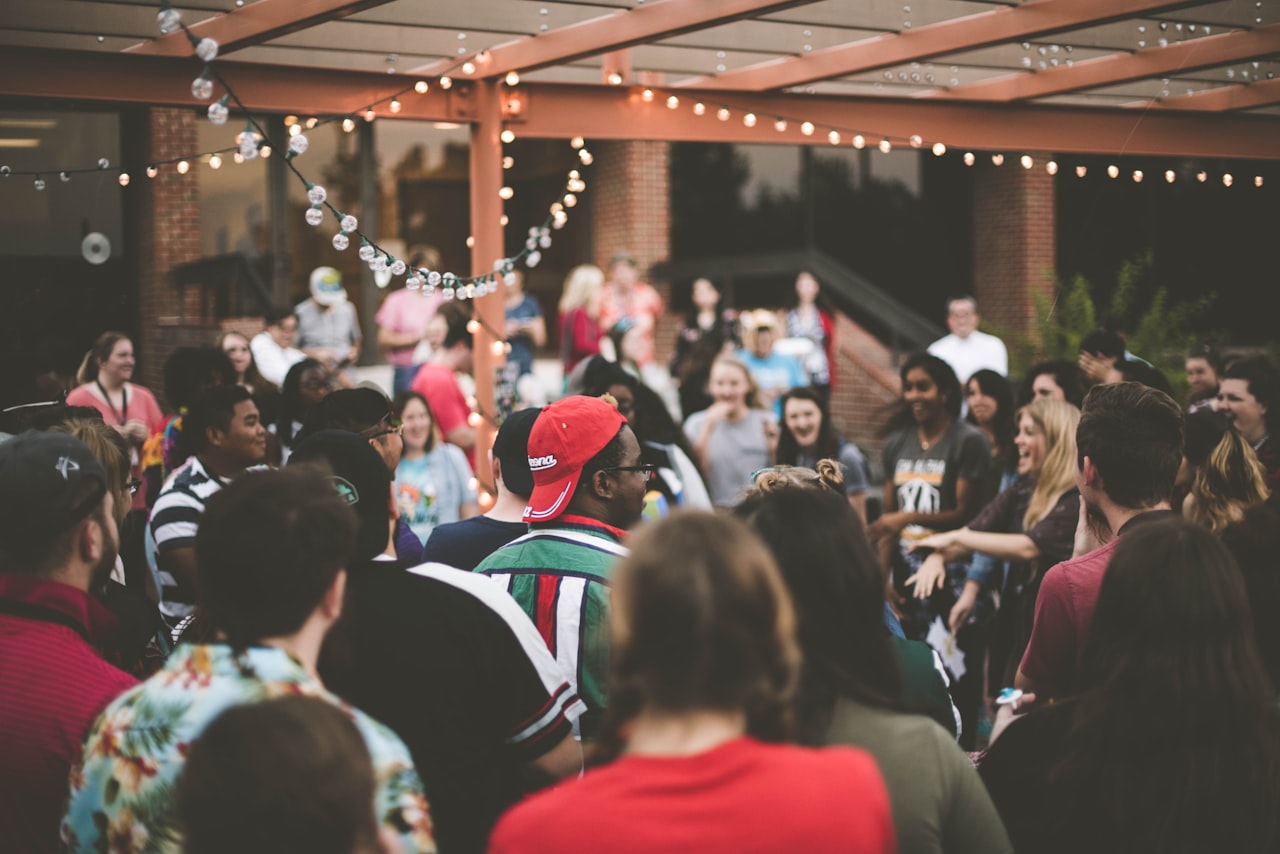
A central element of Europe Day 2026 is the renewed cycle of citizens’ dialogues, building on the legacy of the Conference on the Future of Europe (2021-2022). Dozens of dialogues are organised across member states, with Commissioners and senior officials meeting citizens in town halls, schools, universities and workplaces. Topics include the next Multiannual Financial Framework, the Climate Adaptation Plan, European defence and security, and the future of digital sovereignty. These dialogues feed into the Commission’s Strategic Foresight Report for 2026.
The cultural dimension
Europe Day is also a cultural celebration. The EU’s Cultural Heritage Week coincides with Europe Day, opening hundreds of heritage sites across the Union with free or reduced access. The European Parliament’s Lux Audience Award, a prestigious European cinema prize, traditionally announces its shortlist around Europe Day. The Erasmus+ programme uses Europe Day as the occasion for celebratory events highlighting student and youth exchanges. In addition, dozens of orchestras, museums and festivals participate in Europe Sings — Europe Plays coordinated cultural programming.
From symbolism to substance
For European citizens, Europe Day is at once a symbolic and a substantive occasion: a celebration of peace, integration and democracy, but also a moment to engage with the policies, institutions and decisions that shape daily life. As the Union faces internal and external challenges, the Schuman vision of incremental, peaceful, supranational construction remains the guiding light — and the touchstone against which European progress continues to be measured.