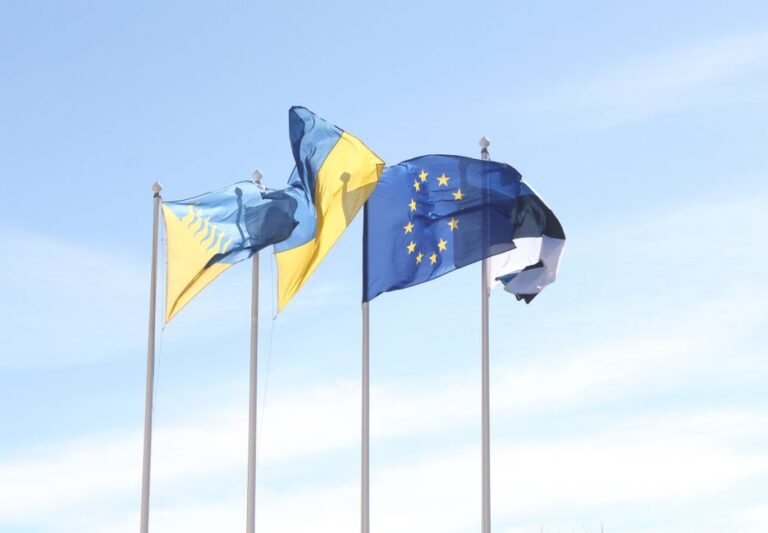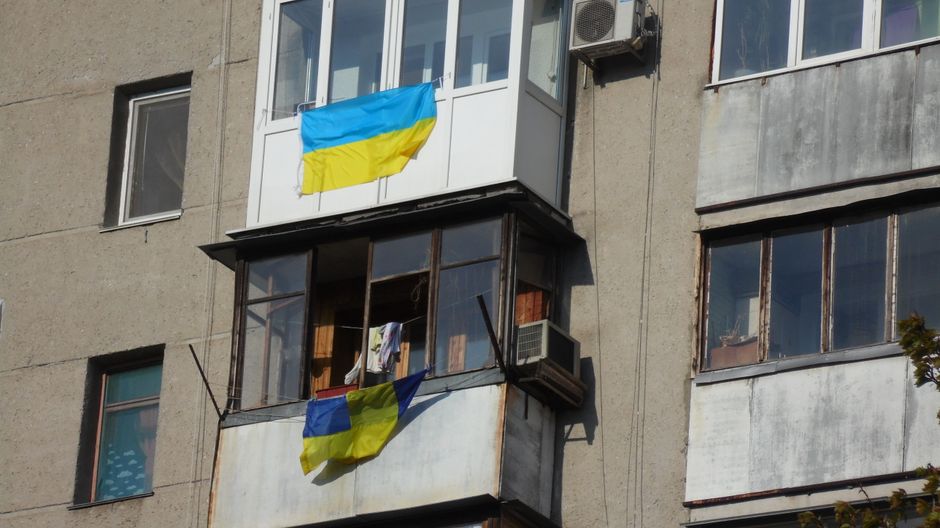
European Leaders Converge on Kyiv as Ukraine Eyes Cross-Border Operations and Marks Independence Day
A delegation of senior Western leaders travelled to Kyiv on Sunday in a show of solidarity with Ukraine, arriving as Ukrainian forces were reported to be intensifying operations targeting Russian territory, including advances toward the town of Ozon, deepening a cross-border campaign that has reshaped the dynamics of the now more than two-year-old conflict.
The high-profile visit, timed to coincide with Ukraine’s Independence Day commemorations, was intended to signal continued European commitment to Kyiv at a moment when battlefield conditions remain volatile and political debates over the scope of Western military support persist across allied capitals. Officials did not immediately release a full list of participating heads of state and government, though the gathering was described as one of the most significant multilateral leadership visits to the Ukrainian capital in recent months.
Railway Network Targeted as Celebrations Approach
The diplomatic arrivals came amid renewed Russian strikes on Ukraine’s transport infrastructure. According to reports, Russian forces launched a series of attacks on the country’s railway network on Sunday, a move analysts have long identified as part of Moscow’s strategy to disrupt the logistical supply lines that sustain Ukrainian frontline operations. Ukrainian authorities have not yet released a full damage assessment, though officials confirmed that incidents took place across several regions.
Ukrainian railways have proven remarkably resilient throughout the conflict, continuing to function as a critical artery for both civilian evacuations and the movement of military equipment and personnel. Any sustained disruption to that network would carry significant operational and humanitarian consequences, making it a persistent target for Russian long-range strikes.
Ukraine’s Independence Day, marked on 24 August to commemorate the country’s declaration of independence from the Soviet Union in 1991, carries particular weight this year as the war enters a new and increasingly complex phase. Ukrainian authorities had urged residents in Kyiv and other major cities to remain vigilant ahead of the holiday, warning that Russia has historically used symbolic Ukrainian dates as occasions for intensified attacks.
Meanwhile, Ukrainian military operations inside Russian territory continued to develop, with forces reported to be pressing further into the Kursk region and setting their sights on additional objectives, including the settlement of Ozon. The cross-border incursion, which began earlier in August, has drawn considerable international attention and altered the strategic calculus on both sides of the front line. Ukrainian officials have framed the operation as both a defensive buffer strategy and a means of increasing pressure on Moscow ahead of any future negotiations.
Western governments have generally been cautious in their public commentary on the cross-border operations, balancing support for Ukraine’s right to self-defence with concerns about escalation. The presence of European leaders in Kyiv on Sunday was seen as an implicit endorsement of Ukraine’s continued agency in conducting the war on terms it deems necessary, even as debates continue within NATO about the appropriate limits of allied involvement.
The Independence Day visit also carries symbolic importance for domestic audiences across Europe, where public and political support for Ukraine, while still broadly intact, faces pressure from economic fatigue, the rising cost of living, and competing political priorities heading into a busy autumn legislative calendar in several member states. For Kyiv, the images of allied leaders arriving in the capital offer a reminder that diplomatic solidarity, whatever its limitations, remains a pillar of Ukraine’s broader wartime strategy.