Sun-Smart Tourism: Greeks and Visitors Alike Growing More Heat-Aware Amid Relentless European Summers
Something is shifting on the sun-drenched terraces and ancient archaeological sites of Greece this summer. Visitors are arriving better equipped than in previous years, armed with broad-brimmed hats, UV-blocking sunglasses, and a more grounded awareness of the very real dangers posed by extreme heat — a change that reflects a broader reckoning with climate conditions that are increasingly defining life across southern Europe.
For years, health authorities and tourism officials in Greece have urged visitors to take sun exposure seriously, particularly during the peak summer months when temperatures regularly climb well above 35 degrees Celsius. The message, once largely ignored in favour of maximising beach time, appears to be landing more effectively. According to reports, awareness around basic protective measures — wearing a hat being the most visible indicator — has grown noticeably among tourists arriving on the Greek islands and in major cities such as Athens and Thessaloniki.
Europe’s Heatwave Reality Is Changing Behaviour
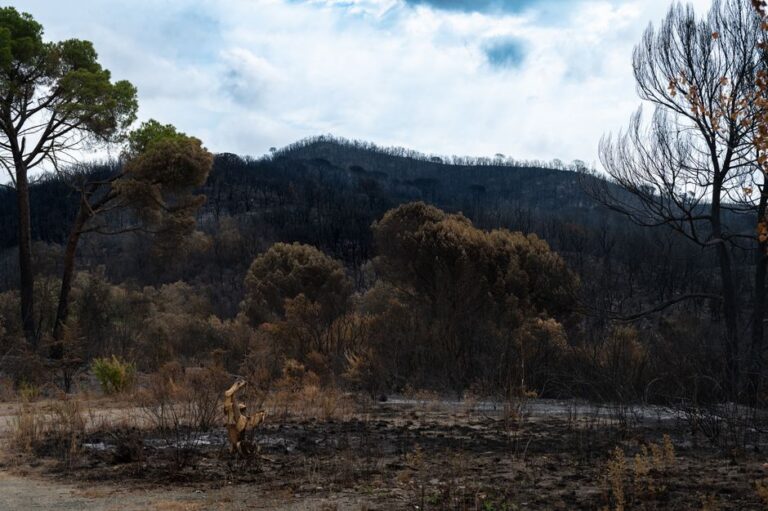
The shift in attitude is unlikely to be coincidental. In recent years, Europe has endured a succession of record-breaking heatwaves that have claimed lives, devastated forests, and forced governments to reassess how they manage public health during the summer season. Greece in particular has faced repeated crises, with wildfires tearing through regions close to Athens and across islands popular with international tourists. These events have generated extensive media coverage across the continent, making the link between climate conditions and personal safety increasingly difficult to ignore.
Health professionals have long warned that heat-related illness can escalate rapidly, particularly among older travellers, young children, and those unaccustomed to the intensity of Mediterranean sun. Heatstroke, severe dehydration, and sunburn are among the most common complaints recorded at clinics in tourist-heavy areas during the summer months. Officials have consistently recommended that visitors avoid outdoor activity during the hottest hours of the day — typically between noon and late afternoon — and prioritise hydration alongside physical protection from direct sunlight.
What appears to be changing is not merely individual behaviour but the cultural framing around sun safety. Where a hat was once seen by some northern European tourists as an optional, even slightly eccentric accessory, it is increasingly viewed as a sensible baseline precaution — much in the way attitudes around sunscreen application evolved over previous decades. Tourism operators and local guides have reportedly played a role in reinforcing these messages at the point of arrival, incorporating safety briefings more consistently into their services.
Greece’s tourism sector, one of the most important pillars of the national economy, has strong incentives to ensure visitors have safe and positive experiences. A tourist hospitalised with heatstroke is not only a human cost but an economic and reputational one. According to reports, some destination management organisations have begun integrating heat safety guidance more formally into pre-travel communications and on-site visitor information.
The broader picture across Europe is one of adaptation — slow, uneven, but perceptible. As climate projections continue to indicate longer and more intense heat seasons across the Mediterranean basin, the expectation is that both infrastructure and individual behaviour will need to keep pace. For now, the growing number of tourists stepping off ferries and coaches with hats already in place represents a small but meaningful sign that the message is getting through.