European Commission tables reforms to prepare EU for enlargement
The European Commission has put forward a package of reforms designed to accelerate the bloc’s enlargement process and prepare for the admission of new member states. The proposals, presented by Enlargement Commissioner Marta Kos, aim to streamline decision-making, incentivize reforms in candidate countries, and safeguard democratic standards after accession. Candidate countries such as Albania, Montenegro, Moldova, and Ukraine have waited decades to join, and EU officials hope Montenegro could become a member as early as 2028.
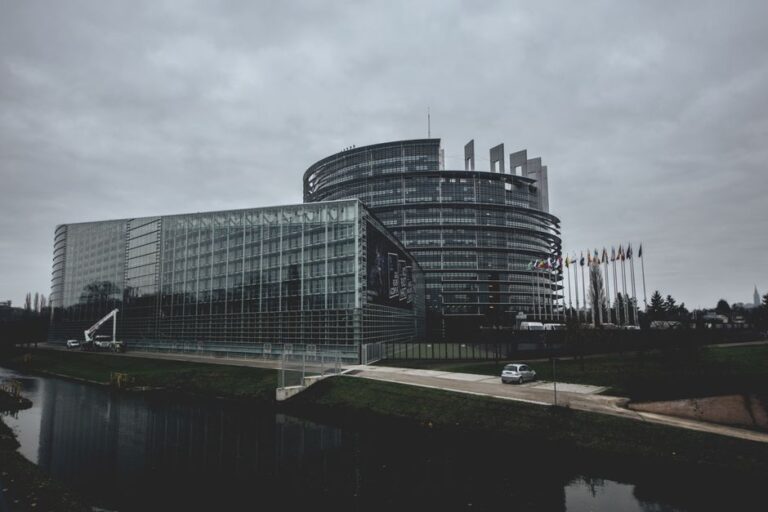
Kos told journalists in Strasbourg that “a larger union is a long-term investment in Europe’s peace, security and prosperity.” The Commission’s key question is how the EU can absorb new members without becoming harder to run or risking democratic backsliding. Its answer is twofold: require candidates to meet EU standards and reform the bloc’s own procedures.
Moving away from unanimity
A major obstacle in accession negotiations is the requirement for unanimous decisions among all 27 member states. Individual countries have often blocked a candidate’s progress over bilateral issues, with Hungary’s obstruction of Ukraine’s negotiation process cited as a prominent example. The Commission recommends that member states shift from unanimity to qualified majority voting for decisions such as opening negotiation clusters. One Commission official, speaking anonymously, described the current process as “mind-blowing,” noting that every cluster requires three individual decisions, each subject to unanimity. However, the shift to qualified majority voting would itself require a unanimous decision by member states. Tinatin Akhvlediani, head of the enlargement program at the Centre for European Policy Studies, expressed reservations about whether such agreement can be reached, pointing to previous failed attempts to change voting rules.
Gradual integration and democratic safeguards
To motivate reform in candidate countries, the Commission proposes “gradual integration,” allowing them to receive some benefits of membership before full accession if they meet EU criteria. Kos stressed that “gradual integration is not a substitute for full membership. It is the accelerator for enlargement.” The process would remain merit-based. Nina Vujanovic, a research fellow at Bruegel, said this could have a motivational effect, rewarding progress earlier. Montenegro already participates in the Single Euro Payments Area despite not being a member, but the Commission wants to make such early access more systematic and link it to strategic alignment with EU foreign and security policy. This condition is new and reflects geopolitical tensions, with experts noting it aims to keep candidates out of Russia’s influence, particularly targeting politicians like Aleksandar Vucic in Serbia.
To prevent democratic backsliding in new member states, the Commission proposes a 15-year period during which it would be easier to sanction members by cutting financial support or restricting voting rights. Kos said the EU learned lessons from past backsliding in countries like Poland and Hungary, stating, “No more Viktor Orban. We have to have quicker mechanisms than only Article 7.” Critics argue this creates unequal conditions, but Akhvlediani noted that many current candidates are fragile democracies, so the approach may be justified. The European Council is expected to discuss the proposals at its meeting on October 15–16.