Burnham’s EU rethink puts Badenoch in a bind
Prime Minister Burnham’s recent admission that leaving the EU has not worked and that Britain should consider alternatives has sent ripples through the political landscape, catching even his own cabinet off guard. The initial response from the Conservative Party was oddly muted, with only Nigel Farage reacting with unfettered glee, declaring that Reform’s next manifesto is now basically written. The Liberal Democrats and Greens, who have pitched themselves as the only real pro-Europeans on the left, are now trying to take credit for pushing Labour toward a rethink.
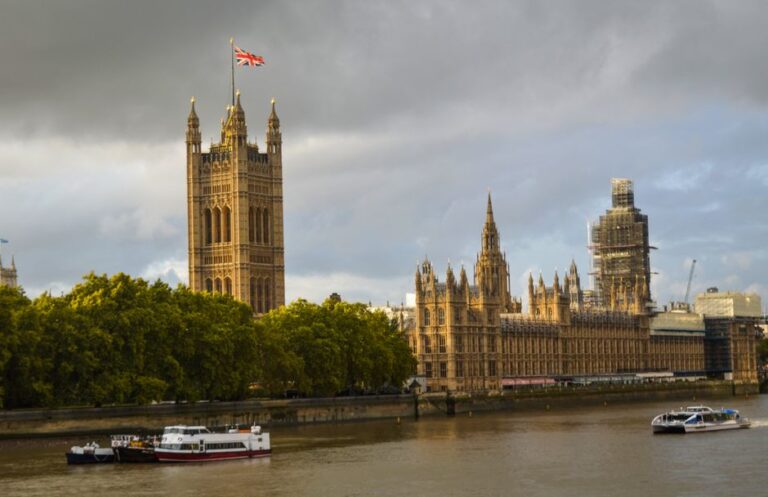
The party facing the most interesting dilemma is the Conservatives, who are holding their conference in Birmingham. Leader Kemi Badenoch, elected only after the referendum, rarely mentions Brexit these days and regards the generational Conservative trauma of that period as history now. In her 95-page personal essay, The Right Way, which she says would form the bedrock of a Tory government, Brexit gets only brief mentions.
Tory silence and economic contradictions
Shadow chancellor Andrew Griffith, in his platform speech on Monday, accused Burnham of dragging Britain back to the 1970s, not back to 2015. The Tories are echoing much of what is left of their vote: more interested in tax, the costs of doing business, small boats, and what Labour has against labradors in pubs than in relitigating the Brexit deal. Yet they still promise to reverse any Labour unravelling of Brexit, regardless of the effect on economic growth. Growth is Badenoch’s rationale for everything, from scrapping the Environment Agency—accused of being a drag on developers—to free childcare for parents earning over £100,000, on the grounds that high earners currently cut working hours rather than lose a nursery place. But Badenoch is ignoring the ongoing damage Brexit is doing to trade and GDP, a contradiction that may become harder to sustain as the debate reopens.
Thatcher’s pragmatism vs Badenoch’s ideology
Badenoch’s treatise consciously echoes Thatcher’s 1976 essay, The Right Approach, which argued that the party has always been outward-looking while concerned with the security, economic interests, and honour of Britain. Thatcher lambasted Labour’s lack of enthusiasm for the then European Community, but she was a pragmatist, arguing for Europe to concentrate on what is practical and attainable. Badenoch, by contrast, is an ideologue, and the Tory brand remains toxic despite her relative popularity.
Voters are sick of the endless Brexit-related drama consuming Westminster with no practical benefits materialising. Europe will not re-enter tortuous negotiations until it is clear they could survive a change of government in Britain, which means at least tacit cross-party acceptance that the UK could do better, if not a referendum. Badenoch does not have to say yes to a rethink; she only has to not say no.
The political calculation
It suits the Tories to let Burnham walk through the door while blaming him for whatever goes wrong. If Burnham constructs a mythical EU deal that boosts trade and prosperity while remaining acceptable to an electorate anxious about immigration, future governments will owe him. If he cannot, Badenoch can join the chorus of condemnation. But it is not in the Tory long-term interests to strangle this at birth—a lesson Badenoch may need to learn before the next election.