Life Under Occupation: How Russian Rule Is Erasing Ukrainian Identity
In the territories of Ukraine currently under Russian military occupation, a sweeping transformation is underway — one that goes far beyond the battlefield. According to reports from journalists and human rights monitors, Russian authorities have implemented a dense web of discriminatory policies that reach into schools, hospitals, legal systems, and daily routines, leaving residents with little freedom and diminishing space to express or preserve their Ukrainian identity.
The occupied regions — including parts of Zaporizhzhia, Kherson, Donetsk, and Luhansk oblasts — have been subjected to what observers describe as a systematic Russification campaign. Ukrainian-language schooling has been largely replaced with Russian curricula, according to reports, while Ukrainian cultural institutions have been shuttered or repurposed. Residents who have managed to leave the areas describe a pervasive atmosphere of surveillance and fear, with checkpoints, document checks, and restrictions on movement forming part of everyday life.
A Culture Under Pressure
Among the most documented aspects of life in occupied territories is the assault on Ukrainian language and culture. Ukrainian-language books have reportedly been removed from libraries, and public use of the Ukrainian language is said to draw unwanted attention from authorities. Religious institutions affiliated with the Orthodox Church of Ukraine have faced closures or forced transfers to the Moscow Patriarchate, according to monitoring organisations tracking conditions in the region.
Civil documentation presents another layer of pressure. Residents have reportedly been required to obtain Russian passports, and those who refuse face difficulties accessing basic services, including healthcare and pensions. Property rights have been thrown into disarray, with reports of land and businesses being seized or transferred under newly imposed Russian legal frameworks that residents had no voice in shaping.
Ukrainian and international officials have condemned these measures as violations of international humanitarian law, which prohibits occupying powers from fundamentally altering the civic and cultural character of occupied populations. The United Nations and various European bodies have called for independent monitoring access, though such requests have been denied by Russian authorities.
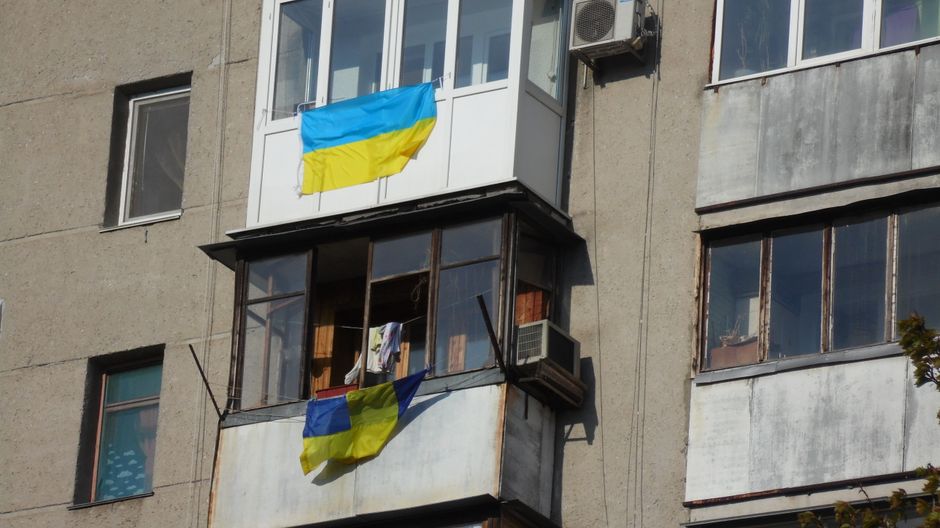
For many residents still living under occupation — either unable or unwilling to leave — the question of what Ukrainian life will look like if and when control is restored has become deeply personal. Community ties, family structures, and even individual identities are being reshaped under policies that, according to reports, leave almost no sphere of life untouched. Some residents have reportedly collaborated with occupying authorities, whether out of conviction, coercion, or simple survival instinct, complicating the picture of how post-occupation reintegration might unfold.
As the war grinds on with no immediate diplomatic resolution in sight, advocates and policymakers are growing increasingly concerned that the longer the occupation persists, the harder it will be to reverse its cultural and institutional effects. Kyiv has maintained that the restoration of full Ukrainian sovereignty over all occupied territories remains a non-negotiable objective, while European Union officials continue to cite the situation in occupied regions as evidence of the broader stakes involved in the conflict’s outcome.