
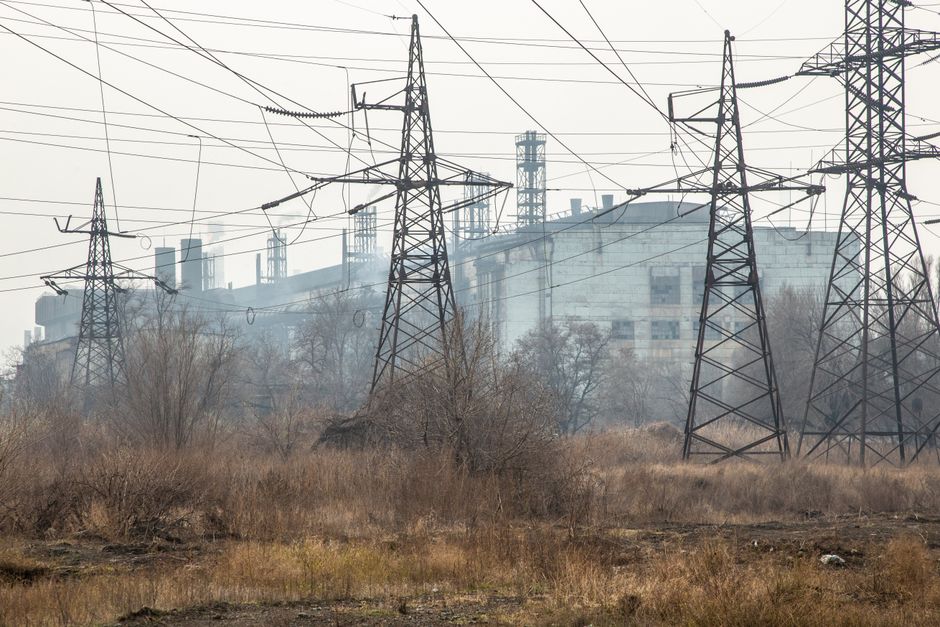
Russia Escalates Threats Against Ukrainian Energy Grid After Deadly Depot Strike
Russia has issued stark warnings of intensified strikes against Ukraine’s energy infrastructure, as the death toll from one of the most destructive attacks on Ukrainian territory since the full-scale invasion began continues to climb, with at least 38 people confirmed killed following a missile strike on a fuel and logistics depot.
The Kremlin’s threats mark a renewed effort to systematically dismantle Ukraine’s power generation and distribution network ahead of what is expected to be another difficult winter for the country’s civilian population. Ukrainian officials have confirmed the scale of the losses at the depot site and have vowed to bolster air defence positions in response to Moscow’s escalatory rhetoric.
The strike, which drew swift condemnation from European governments and NATO allies, underscores the continuing ferocity of a conflict that entered its fifth year with no credible diplomatic resolution in sight. Despite repeated calls from international mediators for a ceasefire framework, both sides remain entrenched, and military operations are continuing at high intensity across multiple front lines in the east and south of the country.
Energy Infrastructure Becomes Central Battlefield
Attacks on power stations, substations, and fuel storage facilities have become a defining feature of Russia’s broader military strategy, according to analysts monitoring the conflict. By targeting the logistical and energy backbone of Ukrainian society, Moscow appears intent on eroding both civilian morale and the operational capacity of Ukraine’s armed forces simultaneously. Last winter saw widespread rolling blackouts across Ukrainian cities, and officials in Kyiv have warned that this coming season could prove equally severe if the threatened campaign materialises.
Ukraine’s air force and emergency services have been working to contain secondary fires and assess structural damage in the aftermath of the latest attack. Rescue operations at the depot site extended over several hours, with emergency teams recovering victims from the wreckage amid difficult conditions, according to reports from the scene.
International partners have pledged continued support for Ukraine’s air defence capabilities, and discussions within the European Union regarding the acceleration of military and humanitarian aid packages are understood to be ongoing. Several member states have indicated a willingness to expand contributions to Ukraine’s energy sector resilience, including the supply of generators, transformer equipment, and grid repair materials ahead of winter.
The broader diplomatic landscape remains largely frozen. Efforts by various intermediaries to establish even a limited humanitarian ceasefire have so far failed to gain traction with either Moscow or Kyiv, with both capitals insisting on conditions the other has rejected. As casualty figures mount and infrastructure damage deepens, the human cost of the prolonged conflict continues to weigh heavily on European policymakers grappling with questions of long-term strategic support and eventual reconstruction financing.