Danish PM attacks Spain’s migration policy as EU summit sidesteps crime link
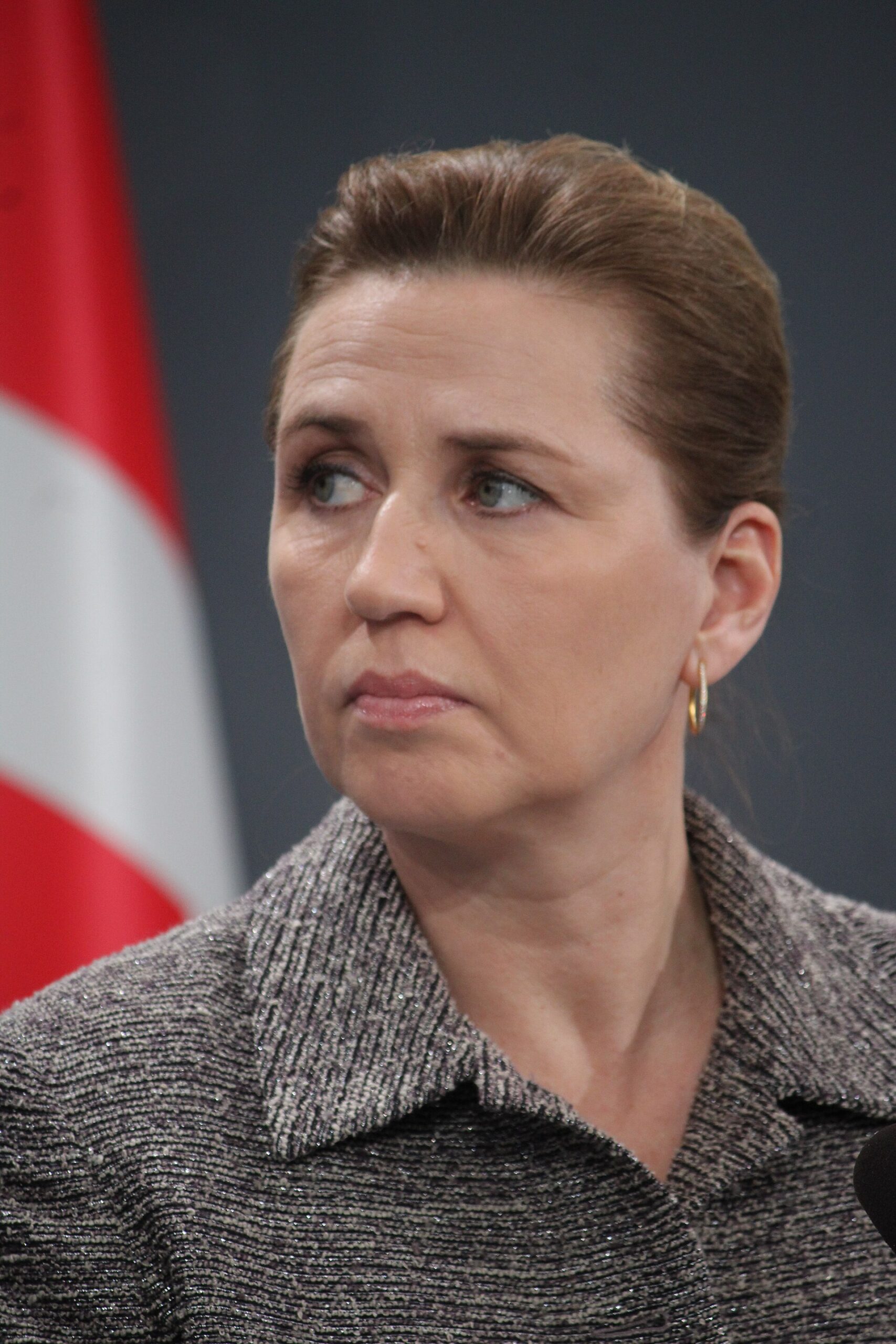
Danish Prime Minister Mette Frederiksen launched a sharp attack on Spanish leader Pedro Sánchez during a Brussels summit on Friday, accusing Spain of undermining EU migration policy by granting legal status to undocumented migrants. Frederiksen, whose centre-left party has adopted a hard line on migration, said she had asked the European Commission to examine whether one country was acting in the opposite direction to the rest. “I have asked the commission to look into whether one country is doing almost everything in the opposite direction of what the others are doing,” she told reporters before the second day of the summit. “In other words, you come to a country illegally, and suddenly you’re allowed to be there legally.”
Sánchez defended Spain’s regularisation programme, which was approved in April and is expected to grant legal status to around 500,000 undocumented migrants and asylum seekers. He insisted the measure “does not go against the grain” and noted that many countries have similar schemes. Italy, for example, has authorised nearly 500,000 non-EU work visas through 2028. The Spanish prime minister also pointed to his country’s record on returns, saying the numbers speak for themselves.
Attempt to link migration to crime fails
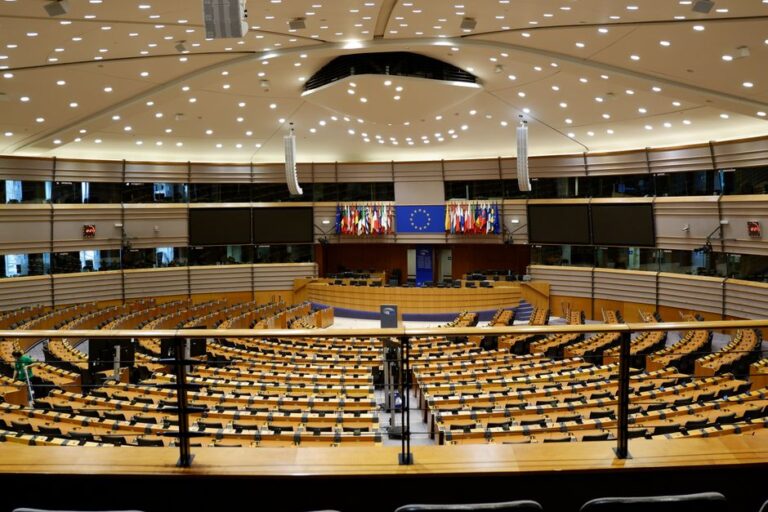
At a breakfast meeting on Friday, 16 EU countries backing stricter migration restrictions—including Denmark, Poland and Italy—tried to amend the summit conclusions to call for extra monitoring of national measures and to highlight the impact of migration on welfare and public services. They also sought language warning against “measures that could create incentives for illegal migration.” However, France and Luxembourg criticised their position, and leaders agreed to return to the topic at a later date. The summit avoided any direct link between migration and crime.
Czech Prime Minister Andrej Babiš, who belongs to the far-right Patriots for Europe group, made some of the most inflammatory remarks. “See what is happening in Spain – some politicians are willing to replace the population only so they can be … in government,” he said, adding that “it’s a road to hell.” Sánchez responded that Babiš’s comments resembled rhetoric from Spain’s far-right Vox party, which is polling close to 20 percent. “One thing is the rhetoric, the blablabla, and another thing is the facts,” Sánchez said.
Ceuta crisis fuels tensions
The clash followed a summer migrant crisis in the Spanish enclave of Ceuta, where tens of thousands attempted to cross from Morocco in late July. Spain deployed additional security measures to regain control, and most of the new arrivals were eventually returned to Morocco, though thousands remained in the city of 80,000 people. French President Emmanuel Macron called the episode an “information attack” orchestrated by traffickers seeking to destabilise Spain.
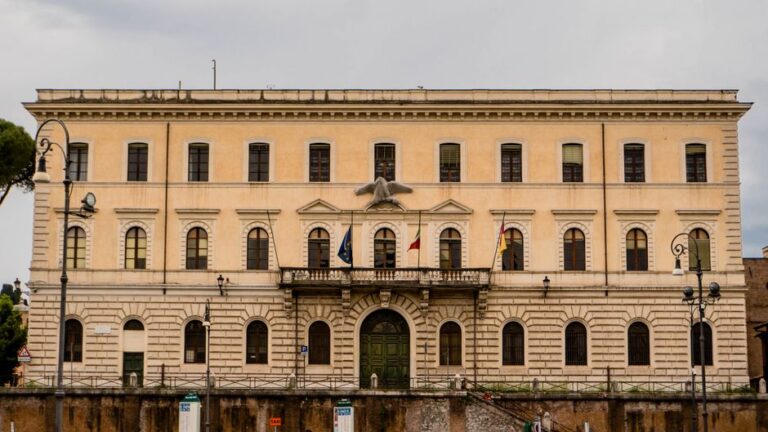
Italian Prime Minister Giorgia Meloni had previously called for the suspension of the Schengen free movement agreement with Spain, and the situation triggered tit-for-tat border closures between the two countries. However, on Thursday Italy decided not to renew security checks with Spain, paving the way for negotiations between Madrid and Rome. Experts from the Migration Policy Centre said it is hard to conclude whether Spain’s regularisation encouraged more migration, as pull factors are difficult to isolate, but they noted that regularisation could lead to positive employment and fiscal outcomes over time.