Ireland Takes EU Council Helm on 1 July with MFF Deal and Enlargement in Its Sights
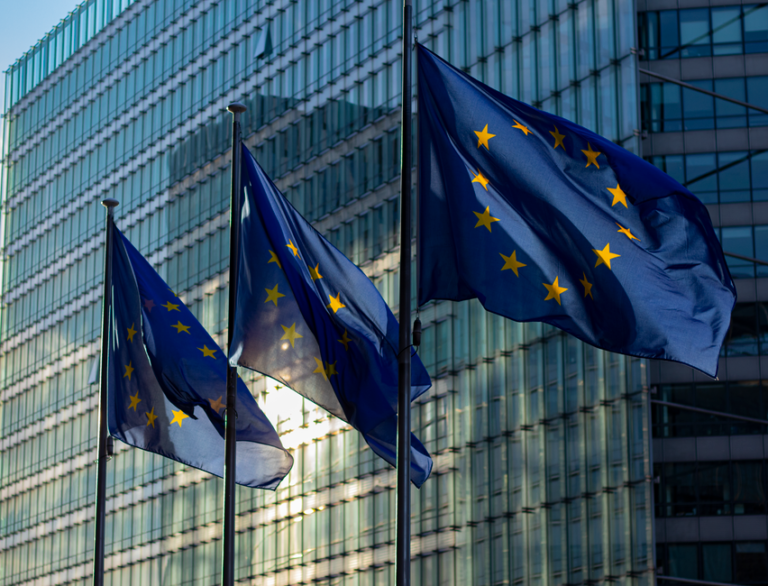
On 1 July 2026, Ireland assumes the Presidency of the Council of the European Union for the eighth time, succeeding Cyprus at the helm of a legislative agenda that is, by any measure, exceptionally demanding. Dublin will hold the chair until 31 December 2026, opening a new institutional trio alongside Lithuania, which takes over in January 2027, and Greece, which follows in the second half of that year.
The handover comes at a moment of considerable institutional pressure. Cyprus leaves several critical files unresolved, and it falls to Dublin — under the political direction of Minister for European Affairs Helen McEntee — to deliver where its predecessor could not.
A Heavy Inheritance from Nicosia
The most consequential item on Ireland’s desk is one Cyprus never managed to close: the Multiannual Financial Framework (MFF) for 2028–2034. Negotiations failed to produce an agreement at the June European Council, meaning Ireland inherits the entirety of what is invariably one of the EU’s most gruelling political exercises. The unanimity requirement — any one of the 27 member states holds an effective veto — transforms the MFF into a diplomatic marathon rather than a sprint.
Beyond the budget, Cyprus hands over a set of files at varying stages of maturity. The Turnberry Agreement, ratified by the European Parliament on 17 June, awaits Council ratification — a procedural matter — with a target entry into force of 1 September. On AI Act compliance, general-purpose AI providers face a binding deadline of 2 August for GPAI provisions, with industry lobbying intensifying in the final weeks. On enlargement, Cluster 1 of the Ukraine and Moldova accession process has been opened; five clusters remain, to be progressed on a merit basis. A drafting group for the Montenegro accession treaty has been established, with Dublin expected to accelerate its work.
Dublin’s Five Priorities
Minister McEntee, who visited all 26 EU partner capitals during the preparatory phase — a signal of deliberate diplomatic groundwork — has structured Ireland’s presidency around five interconnected priorities.
1. Competitiveness and Simplification
Ireland intends to advance the ‘One Europe, One Market’ roadmap, with a particular focus on reducing administrative burdens for small and medium-sized enterprises. Completing the Capital Markets Union framework and extending Digital SME Hubs to full EU coverage are among the specific deliverables Dublin has committed to.
2. Ukraine Support
Sustaining military, financial, and political support for Ukraine remains a central plank. Ireland will also work to manage the revenue stream from frozen Russian sovereign assets, directing proceeds into a structured reconstruction fund — a mechanism that requires both political consensus and legal precision.
3. Enlargement
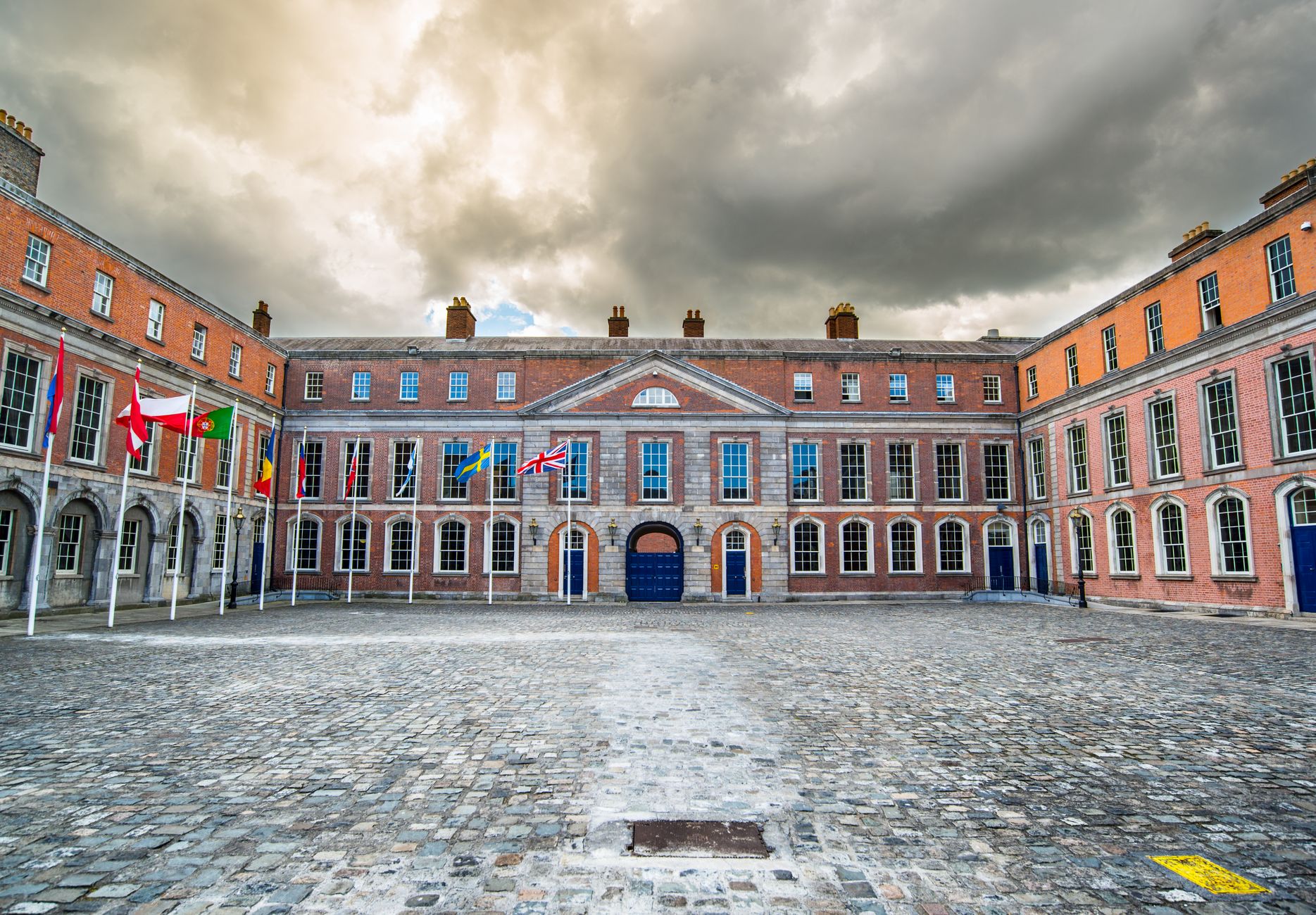
Dublin has positioned itself as a credible enlargement broker, citing its legacy relationships with Eastern European member states dating to the 2004 accession wave. The presidency will pursue the opening of remaining Ukraine and Moldova accession clusters on a merit basis, push forward the Montenegro accession treaty, and host an European Political Community summit in Dublin in November 2026 — a gathering that will carry significant political symbolism.
4. The MFF: Ireland’s Defining Test
The MFF 2028–2034 negotiation will define Ireland’s presidency. Dublin will chair all 27 bilateral negotiation rounds, with a revised negotiating box targeted for September. The strategic objective is a political agreement at the October European Council on 16–17 October. That timeline is ambitious. Ireland must broker a compromise between the self-styled ‘frugal’ northern member states, who resist net contributions increases, and cohesion-dependent southern and eastern members who depend on structural and agricultural funding. As the EU’s most trade-exposed economy, Ireland understands the stakes of a functioning single market — but neutrality in budget negotiations is notoriously difficult to sustain.
5. Climate and Energy
On the green transition, Ireland will prioritise accelerating REPowerEU implementation, advancing critical raw materials diversification, and progressing Green Deal delivery. A notable ambition is moving forward the EU-North Africa energy corridor, a strategic infrastructure project that intersects energy security, climate policy, and external relations simultaneously.
A Well-Positioned but Tested Presidency
Ireland’s credentials for this moment are credible. Its deep transatlantic ties — reinforced as a Turnberry Agreement beneficiary — its experienced cadre of EU negotiators, and its structurally trade-dependent economy all point to a member state with clear incentives to make European institutions function. Yet goodwill and preparation do not dissolve the structural tensions embedded in an MFF that must satisfy 27 governments with divergent fiscal philosophies.
The coming months will test whether Dublin’s diplomatic preparation translates into concrete outcomes. The October European Council will be the first decisive verdict: if Ireland secures a political agreement on the MFF, it will have delivered one of the most consequential Council presidencies in recent memory. If not, the file passes to Lithuania in January — and the pressure mounts further. Watch also for how the Montenegro accession treaty develops, whether the GPAI deadline passes without crisis, and whether the November EPC summit in Dublin generates meaningful political momentum on enlargement.