Guterres Warns Strait of Hormuz Crisis Could Push Tens of Millions Into Poverty and Tip Global Economy Toward Recession
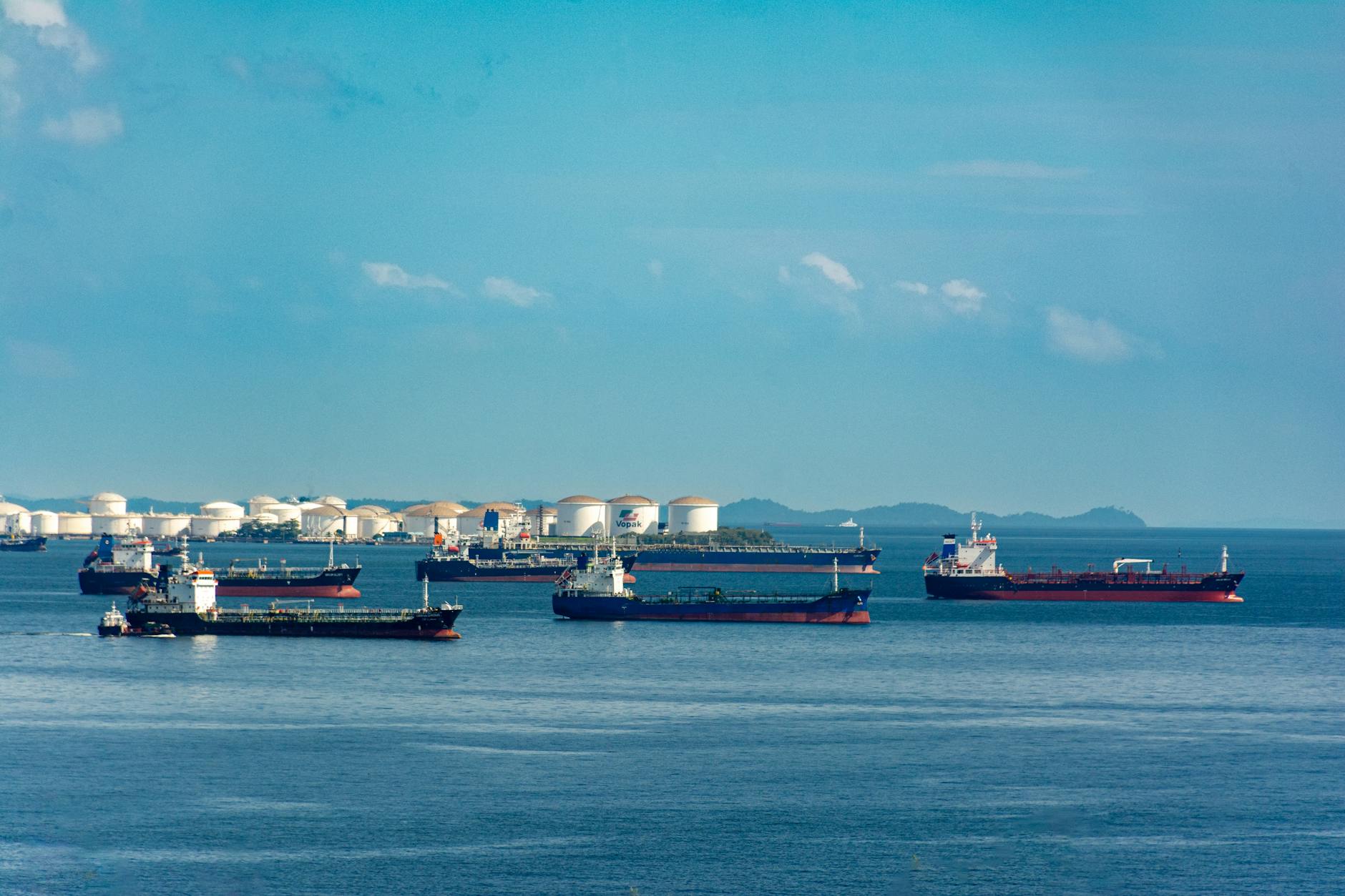
UN Secretary-General Antonio Guterres warned in early May 2026 that the escalating crisis in the Strait of Hormuz could push tens of millions of people into poverty, trigger a surge in global hunger and even tip the world toward recession. The Strait, a 33-kilometre-wide chokepoint between Iran and Oman, carries roughly 20% of global oil consumption and a comparable share of liquefied natural gas trade — primarily destined for Asia, but with major repercussions for European energy security.
What is happening
Tensions in the Gulf escalated through April 2026 after a series of incidents involving Iranian Revolutionary Guard Corps Navy patrol boats and commercial tankers. Tehran formally suspended free passage in mid-April under the pretext of security checks; the United States and the United Kingdom responded by reinforcing naval deployments. Daily insurance premiums on VLCC tankers transiting the Strait have multiplied seven-fold. Oil prices have surged from $74 to $122 a barrel in three weeks, the steepest rise since 2022.
The economic chain reaction
Higher oil and gas prices have rapidly translated into imported inflation across food, transport, fertilisers and manufacturing. The IMF estimates that a sustained $30/barrel premium reduces global GDP growth by 0.7 to 1.0 percentage points over twelve months. For developing countries that depend on energy imports and on subsidised food, the consequences are immediate: pressure on national budgets, currency depreciation, and growing risk of debt distress. Guterres specifically highlighted the threat to roughly 50 million people already in food crisis status who could fall into severe insecurity.
The European energy reckoning
For the EU, the Hormuz crisis arrives on top of the REPowerEU phase-out of Russian gas. Although the EU has diversified rapidly, Qatar — accessible only through the Strait — supplies roughly 14% of European LNG imports. A prolonged disruption would force Europe to outbid Asian buyers for alternative cargoes, likely from the United States. Gas prices on the TTF benchmark have already returned to autumn 2022 levels. The European Commission has activated emergency coordination mechanisms across member-state regulators.
Diplomatic channels
Guterres called for an immediate de-escalation and offered UN good offices to mediate. Oman, traditionally the most credible regional mediator, is conducting back-channel discussions between Tehran and Washington. The European Union, through High Representative Kaja Kallas, has urged restraint and offered to host technical talks. China, increasingly invested in Iranian energy supply and a major buyer of Iranian crude, has called for international cooperation while quietly using its leverage with Tehran.
What to watch
Three indicators will determine whether the crisis stabilises or deepens. First, whether Iran agrees to a verification protocol covering tanker movements through the Strait. Second, whether the United States sustains its current military posture or scales it up after potential incidents. Third, whether the OPEC+ alliance — including non-OPEC Russia — agrees to a supply-side response large enough to ease the price premium. The June EU summit will likely include a dedicated session on energy security and Middle East policy.