Erasmus Plus: how Europe’s flagship education programme is evolving for the 2025-2027 cycle
Erasmus Plus is the European Union’s flagship programme for education, training, youth and sport. Originally launched as the Erasmus student exchange scheme in 1987, it has evolved over four decades into a comprehensive instrument supporting mobility, cooperation projects and policy reform across the entire learning lifecycle. The current 2021-2027 programming period has a budget exceeding 26 billion euros, nearly double its predecessor, reflecting the political weight given to education and skills in the post-pandemic recovery.
What Erasmus Plus does today
The programme is structured around three key actions. Mobility for individuals supports learners and staff to study, train, teach or volunteer abroad, with several million participants across higher education, vocational education, schools, adult learning and youth. Cooperation among organisations and institutions funds partnerships between universities, schools, training providers, NGOs and public bodies on innovative projects. Support for policy development and cooperation underpins the European Education Area, the European Strategy for Youth and the Work Plan for Sport, providing the policy infrastructure that translates Erasmus mobility into structural reform.
The shift toward inclusion and green-digital priorities
The 2021-2027 cycle has placed strong emphasis on making the programme more inclusive, with dedicated supports for participants with fewer opportunities, including young people from disadvantaged backgrounds, those with disabilities and learners in remote areas. Green and digital priorities are now embedded across actions: green travel options are encouraged through enhanced grants, digital cooperation tools have been developed to complement physical mobility, and new initiatives such as the European Universities and Centres of Vocational Excellence are scaling cooperation in priority sectors.
Looking ahead
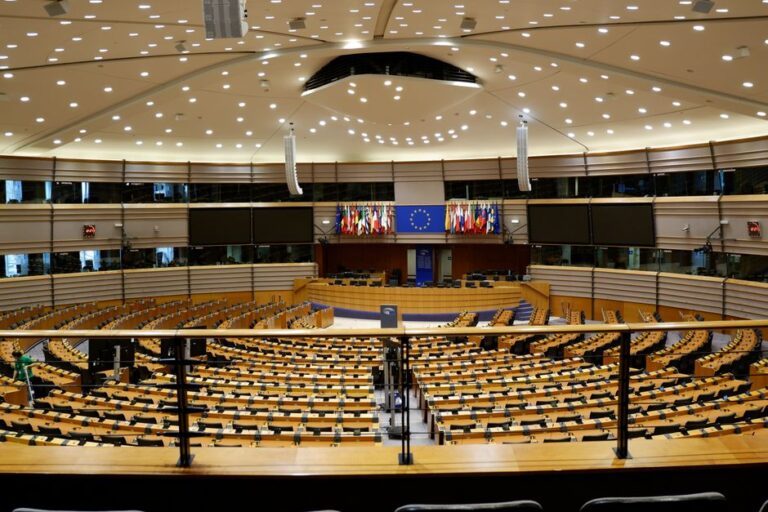
As negotiations on the 2028-2034 long-term EU budget intensify, education and skills are emerging as recognised priorities across political groups and member states. The European Parliament has signalled support for maintaining or increasing the Erasmus Plus envelope, citing its consistent popularity, measurable impact on participants and contribution to building a sense of European identity. The next programme generation will need to balance continuity with adaptation to new challenges, including artificial intelligence in education, geopolitical instability affecting student mobility patterns, and the need to reskill workers across the EU economy.