EU Reaffirms Media Independence Commitment as Global Press Violence Rises
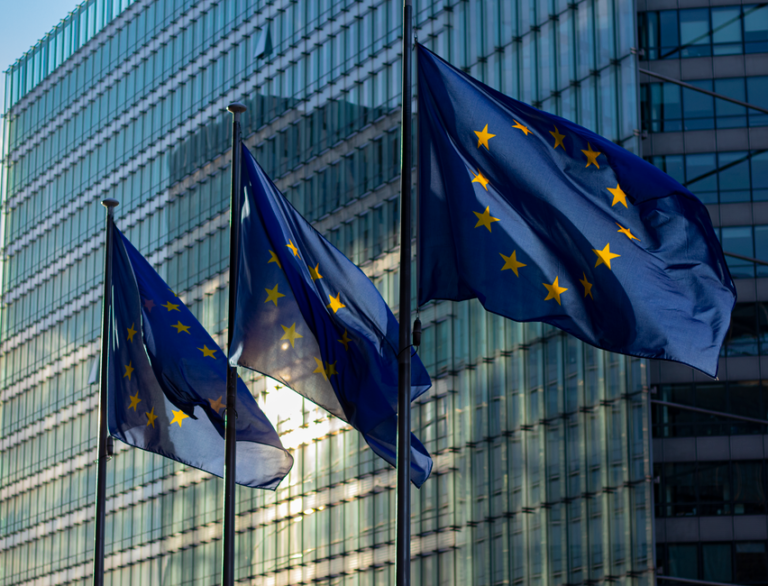
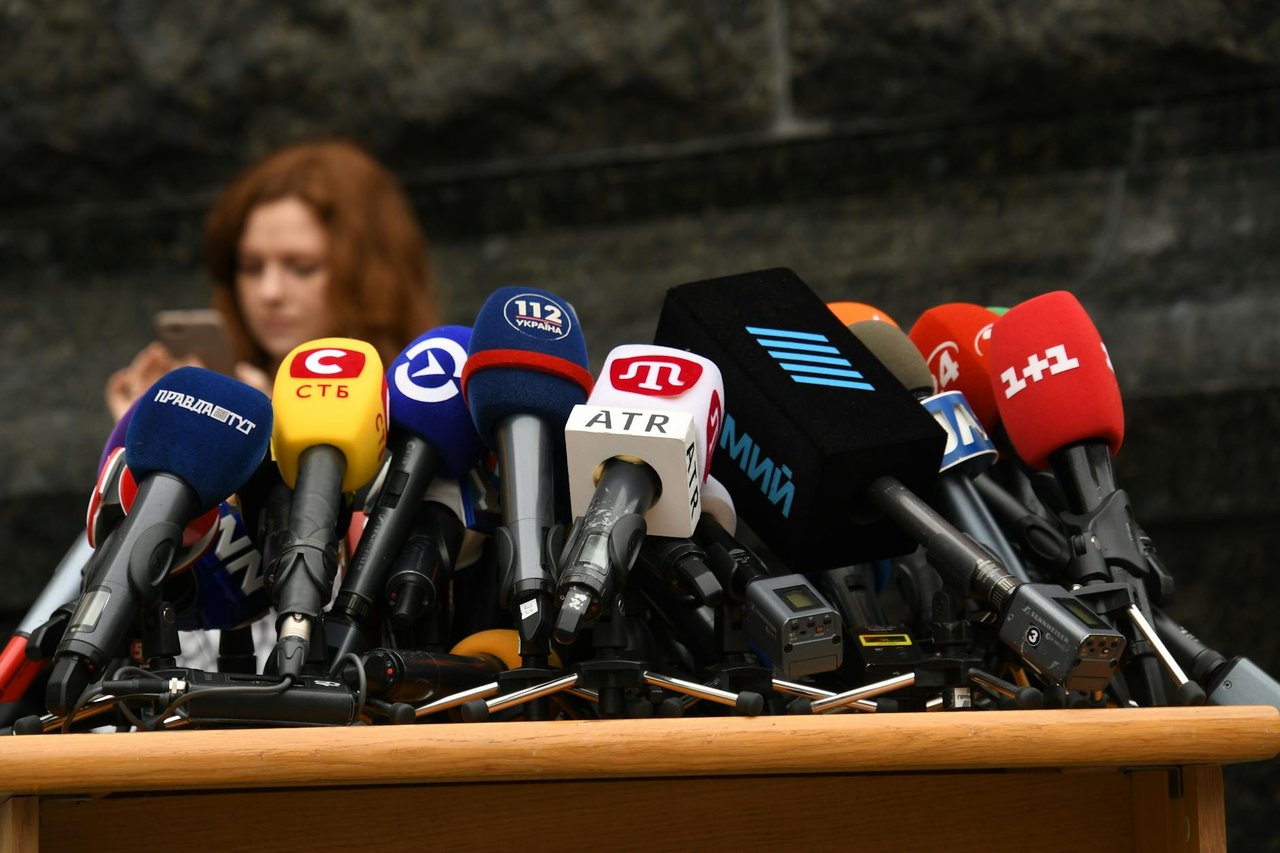
On World Press Freedom Day, 3 May 2026, the European Union reaffirmed its resolute commitment to defending media independence and the safety of journalists as fundamental pillars of democracy. The joint statement issued by the European Council and the European Commission was framed as a response to rising global violence, legal intimidation, and the proliferation of disinformation — three trends that have intensified rather than eased over the past decade.
The violence statistics
The numbers are unambiguous. The Committee to Protect Journalists has documented continued high levels of journalist killings globally, with conflict zones producing the highest concentration. The Reporters Without Borders annual index has shown a measurable deterioration in press freedom in multiple EU candidate countries and in several established democracies. Within the EU, the assassination of Daphne Caruana Galizia in Malta in 2017 and of Ján Kuciak in Slovakia in 2018 remain the watershed moments — leading directly to the legislative response that has shaped the past five years.
The EU’s legal response
The EU’s institutional response to journalist safety and media freedom has accelerated since 2022. The European Media Freedom Act entered into force in 2025 and is now in implementation across the 27 member states. The Anti-SLAPP Directive, adopted in 2024, addresses strategic lawsuits against public participation that have been weaponised against investigative reporters. The Recommendation on the safety of journalists provides operational guidance to national authorities. The combined architecture is the most comprehensive media freedom framework in any major regional jurisdiction.
The disinformation dimension
The disinformation dimension has intensified in 2025-2026. The Digital Services Act requires very large online platforms to assess and mitigate systemic risks, including risks to civic discourse and democratic processes. The European Commission has opened formal investigations against multiple platforms — including X, TikTok, Meta — under the DSA, with media-freedom-related concerns prominent in those proceedings. The challenge is structural: the same algorithms that distribute legitimate journalism also amplify disinformation, and the two are not always cleanly separable.
The candidate-country dimension
Press freedom benchmarks now feature systematically in the EU’s enlargement methodology. Candidate-country reports — including the Albania and Montenegro reports being voted by the European Parliament’s Foreign Affairs Committee on 6 May 2026 — devote substantial attention to media freedom. The methodology gives the Commission and the Council leverage during accession negotiations: candidate governments seeking accession progress have material incentives to deliver on press freedom benchmarks. The early indicators in Hungary’s post-Orbán political opening suggest that this leverage extends beyond candidate countries into existing member states.
The Daphne Prize as cultural anchor
The European Parliament’s Daphne Caruana Galizia Prize for Journalism, launched in its 2026 edition on 5 May, anchors the EU’s media-freedom commitment culturally. The €20,000 prize is itself modest by international award standards. But the institutional weight that comes with the Parliament’s endorsement — and the visibility the prize gives to the year’s most consequential investigations — extends the impact substantially. Past winners have produced second-order policy outcomes ranging from criminal prosecutions to legislative responses to investigative-journalism-funded reform.
The road forward
The 2026 commemoration arrives at a moment of cautious optimism on some fronts and continuing concern on others. The EU’s legal architecture is more complete than at any time in the past. Cross-border investigative cooperation, supported by EU funding and by professional networks including the European Journalism Centre and the Organized Crime and Corruption Reporting Project, has produced a steady output of consequential reporting. But journalist killings continue, SLAPP suits remain a pressure tool, and the disinformation challenge has structural dimensions that will outlive any single legislative response. The EU’s commitment, in the joint statement’s words, must remain resolute — and 3 May 2026 reaffirms it.