
Yotova Wins Bulgarian Presidency After Framing Election as Choice Between War and Peace
Incumbent Iliana Yotova has secured a decisive victory in Bulgaria’s presidential runoff, defeating former caretaker Prime Minister Andrey Gyurov with 57.6% of the vote to his 39.5%. The election, held on Sunday, was widely seen as a referendum on the country’s foreign policy and its stance on the war in Ukraine. Yotova, who opposes military aid to Kyiv and advocates dialogue with Moscow, claimed the result showed Bulgarians had chosen peace.
Prime Minister Rumen Radev, a key backer of Yotova, had framed the contest in stark terms ahead of the vote, telling voters they were choosing between war and peace. Yotova’s campaign echoed this message, with the president vowing at an October 6 rally that as long as she held office, not a single Bulgarian soldier would go to Ukraine. Under the Bulgarian constitution, only parliament has the authority to deploy troops abroad or declare war.
Deep Divisions Along Generational and Geographic Lines
The electorate was sharply divided, according to Dimitar Ganev, a sociologist and political scientist at the Trend market and electoral research agency. Younger voters aged 18 to 40 favored Gyurov, while those over 40 leaned toward Yotova. Gyurov dominated in the capital Sofia, whereas Yotova won decisively in smaller regional cities, towns, and villages. Gyurov campaigned primarily on social media, while Yotova spoke mostly to supporters of the ruling Progressive Bulgaria party in closed venues.
The war in Ukraine featured prominently at Yotova’s events, where she labeled her opponents warmongers and described herself as the president of peace. After her victory, she attributed the win to speaking with people about income and peace. Radev, who regularly calls for peace in Ukraine and avoids labeling Russia an aggressor, has criticized European leaders for insufficient engagement with Russian President Vladimir Putin.
Controversy Over Black Sea Incidents and Pro-Russian Rhetoric
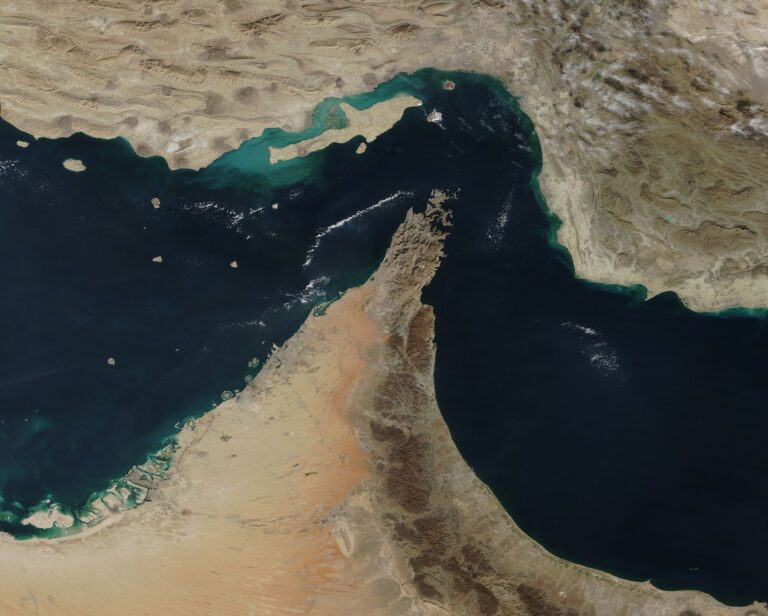
Weeks before the election, several ships in the Black Sea were struck by drones off the Bulgarian coast. The European Council criticized Russia for the escalation, and the European Parliament called on the EU and member states to consider deploying a naval operation. Radev summoned the Russian ambassador and suggested the attacks were to Russia’s advantage. Days before the runoff, he noted that two ships had been struck in Romanian territorial waters after Romania held Russia responsible, drawing criticism from Romanian politicians and media.
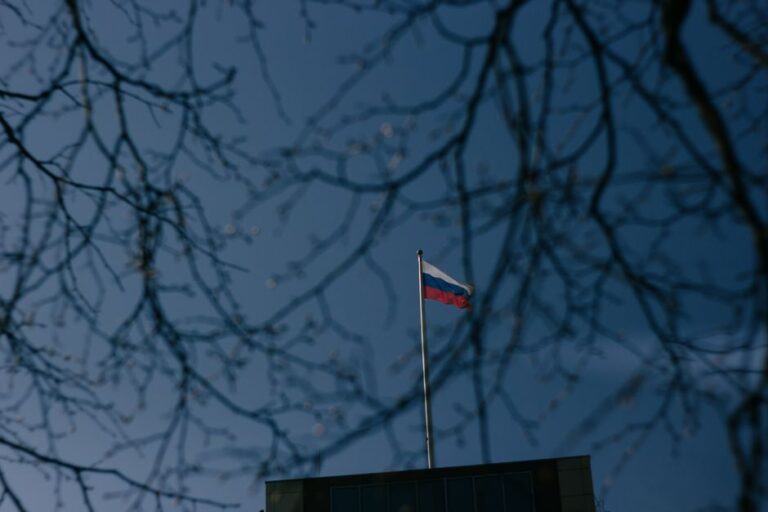
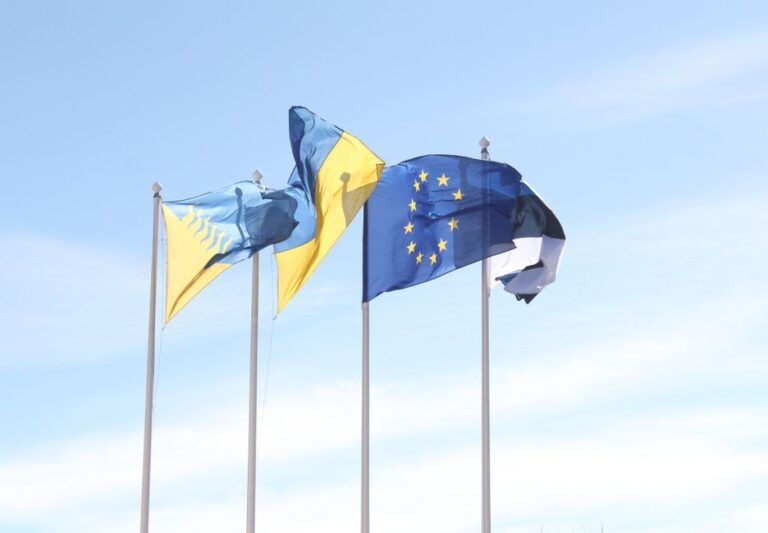
Yotova did not name Russia as the perpetrator, instead saying during the campaign that she did not want to see foreign flags in Bulgaria, a reference to the Ukrainian flag displayed outside several institutions. In a podcast interview two days before the runoff, she stated that Russia was by no means an enemy of Bulgaria and expressed hope that it would be a key factor in Europe’s future security architecture. Around 70% of voters for the nationalist Vazrazhdane party, whose candidate Kostadin Kostadinov finished third in the first round with 12.5%, backed Yotova in the runoff.
Low Turnout and Accusations of Fearmongering
Turnout on Sunday was less than 30%. Most opposition parties, including the right-wing GERB led by former Prime Minister Boyko Borisov, refused to field a presidential candidate. Days before the vote, some Yotova supporters claimed the opposition was preparing a Maidan-style uprising, echoing similar claims made by former Hungarian Prime Minister Viktor Orban and former Serbian President Aleksandar Vucic. Sonya Momchilova, appointed to the media regulator by Radev, wrote on Facebook that Gyurov’s supporters were speaking openly about inevitable protests and using prime time to stir up a Maidan.
Former Defense Minister Todor Tagarev, part of the committee that nominated Gyurov, said Yotova’s peace messaging was directly linked to inciting fear of war and warned that Bulgaria would be in a much worse position within Europe and NATO under her leadership. However, Ganev saw no threat to Bulgaria’s commitment to the EU and NATO, noting that over two-thirds of Bulgarians do not question the country’s geopolitical orientation. The ambivalent positions of Radev and Yotova mobilized both pro-European and Eurosceptic voters, with the latter comprising around a third of the population, according to Ganev.