Kallas Doubles EU Defense Aid to Moldova to €120 Million
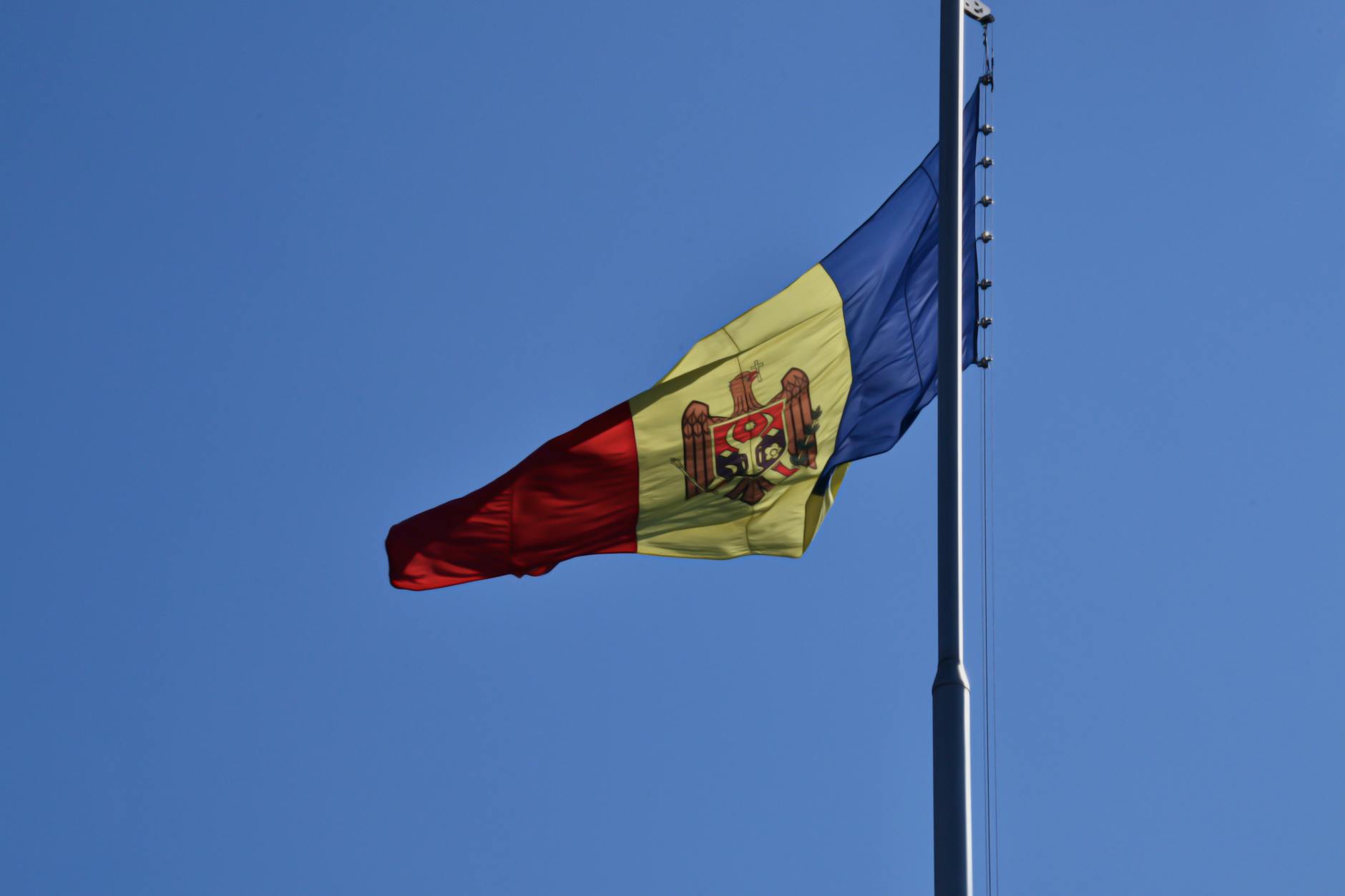
EU High Representative for Foreign Affairs Kaja Kallas arrived in Chișinău on an official visit on Wednesday 7 May 2026 and, at a press conference the following day, announced a doubling of EU annual financial assistance to Moldova by an additional €120 million through the European Peace Facility. The move is the latest in a sustained Brussels effort to anchor Moldova’s trajectory against Russian hybrid pressure and toward EU accession — and it comes as Russia continues to deploy disinformation, energy weaponisation and political interference against the Sandu government.
The €120 million package: what it covers
The new tranche, drawn from the European Peace Facility (EPF) — the EU’s off-budget defense funding instrument — will support Moldova’s military equipment modernization, border surveillance infrastructure, and cyber-defense capabilities. Specific allocations include armored vehicles, communications systems and counter-drone equipment, with deliveries scheduled across the next 18 months. The doubling brings total EPF commitments to Moldova to roughly €240 million annually, making the country one of the largest non-EU recipients of the facility.
The Sandu government’s strategic position
Moldovan President Maia Sandu, in a press statement following Kallas’s announcement, framed the package as essential: “Moldova is strengthening every dimension of its security architecture: external borders, internal cyber defense, energy resilience and democratic institutions. The European Union is, and remains, our principal partner.” The country has been formally on the EU accession track since 2022, and accession negotiations are advancing despite Russian-backed political opposition in the breakaway Transnistrian region.
The hybrid pressure context
The Kallas visit came amid escalating Russian hybrid pressure on Moldova: documented cyber-attacks on government infrastructure, energy supply manipulation through Gazprom-linked intermediaries in Transnistria, and influence operations targeting the Russian-speaking Gagauzian autonomy in the south. The October 2024 referendum on EU integration passed by a slim margin (50.4% vs 49.6%) — a result Brussels analysts attribute to Russian-funded disinformation campaigns. The 2026 budget doubling is partly a response to that vulnerability.
EU accession: the realistic timeline
Moldova’s EU accession negotiations are progressing in parallel with Ukraine’s, although the political dynamics differ: Moldova does not face active war, but its economic base is a fraction of Ukraine’s and its institutional capacity remains constrained. The Cypriot Presidency has prioritised opening Cluster 1 negotiating chapters (rule of law, fundamental rights) by Q3 2026. Realistic accession timelines remain in the 2030-2032 window, contingent on rule-of-law alignment and Transnistrian conflict resolution.
The wider EU defense doctrine
The Kallas doubling is part of a broader doctrinal shift in EU defense policy. Commissioner for Defense Andrius Kubilius has publicly called for the EU to “surpass Russia in missile production capacity”, and the EU’s defense industrial strategy now allocates €90 billion in EPF and EDF funds for the 2027-2034 period. Moldova, alongside Ukraine, is positioned as a strategic forward partner rather than a peripheral aid recipient — a doctrinal shift that aligns with von der Leyen’s ‘European independence’ framing in Davos.