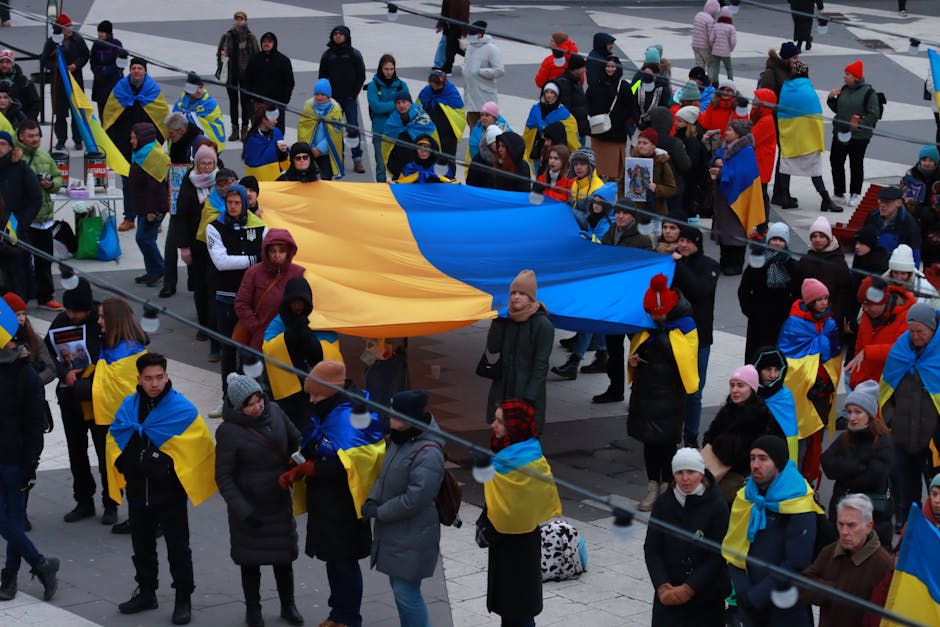
EU adopts 20th sanctions package and 90 billion euro Ukraine loan
European Union leaders meeting in Cyprus on 23-24 April 2026 reached a milestone in their support for Ukraine, finalising the adoption of the 20th sanctions package against Russia together with a 90 billion euro loan to Kyiv that had previously been blocked by Hungary. The decisions were taken just before the informal European Council convened in Ayia Napa and Lefkosia, marking the bloc’s most consequential financial commitment to Ukraine since the war began in February 2022.
The 20th sanctions package
Successive sanctions packages have been the EU’s primary instrument of pressure against Moscow since the invasion of Ukraine. Each new package narrows loopholes identified during enforcement of previous rounds, targeting individuals, entities and economic sectors. The 20th package builds on this incremental approach, tightening restrictions on the Russian shadow fleet that has helped Moscow circumvent the oil price cap, and addressing third-country circumvention. Parliament has consistently called for stronger enforcement, with MEPs voting on a related accountability resolution during the 27-30 April plenary session in Strasbourg.
The 90 billion euro loan to Ukraine
The loan facility represents a fundamental shift in how the EU finances Ukraine’s war effort and reconstruction needs. Hungary had blocked the package for months, citing concerns about EU debt mutualisation and the use of frozen Russian assets. The eventual unblocking required intensive diplomacy and adjustments to the legal architecture. The funds are designed to cover Ukraine’s budgetary needs through a critical period and to signal long-term EU commitment regardless of shifts in transatlantic policy.
The wider context: Cyprus summit and One Europe One Market
Beyond Ukraine, the Cyprus summit produced the signature of the One Europe One Market roadmap by the Presidents of the European Parliament, the European Commission and Cyprus, representing the rotating Council Presidency. The roadmap sets clear timelines and deliverables to strengthen EU competitiveness and complete the single market by the end of 2027. Parliament President Roberta Metsola, who addressed leaders during the summit, has consistently linked Ukraine’s security to European security, framing both files as part of the same strategic challenge facing the bloc.