Ukraine Peace Optimism Meets EU Sanctions Controversy as Two Russian Oligarchs Removed from Blacklist
Diplomatic currents around the Ukraine conflict shifted this week on two fronts: US President Donald Trump publicly expressed optimism that a resolution to the war could arrive earlier than most observers anticipate, while the European Union confirmed it had removed two Russian oligarchs from its sanctions blacklist following weeks of difficult talks between member states.
Trump, speaking to reporters, said he believed the nearly three-year-old conflict would conclude sooner than people think, without providing a specific timeline or elaborating on the diplomatic framework he envisages. The remarks added to a series of signals from Washington suggesting the new administration is pushing for a negotiated end to the fighting, though the precise contours of any potential deal remain unclear. Ukrainian officials and European allies have repeatedly stressed that any settlement must respect Ukraine’s sovereignty and territorial integrity.
Brussels Quietly Lifts Restrictions on Two Oligarchs
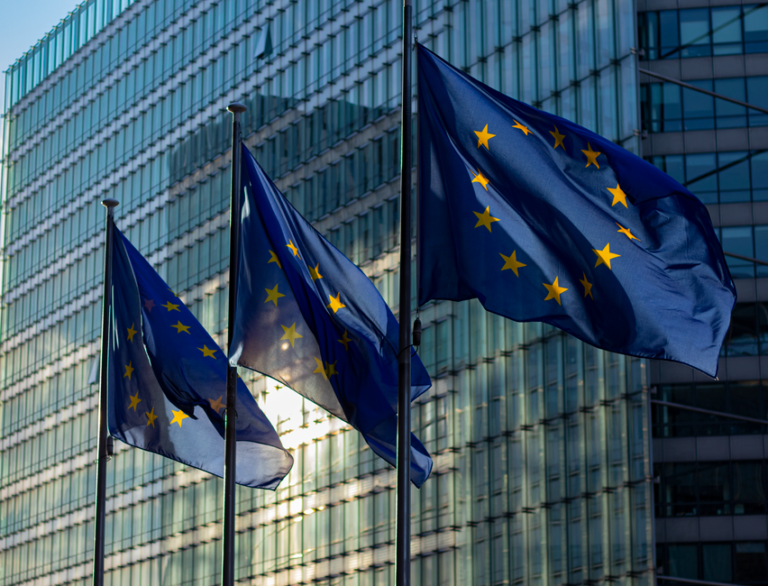
Meanwhile, in a move that drew considerable attention in European diplomatic circles, the EU confirmed that two Russian businessmen previously subject to asset freezes and travel bans have been removed from its sanctions register. According to officials familiar with the process, the decision followed intense deliberations among EU member states, with the outcome reflecting the complex legal and political pressures that increasingly weigh on the bloc’s sanctions regime. The identities of the two individuals were reported by European outlets, though the specific grounds cited for their removal were not made fully public at the time of writing.
The development is sensitive given the EU’s long-standing position that sanctions against individuals linked to the Russian state or economy represent a key tool of pressure over Moscow’s conduct in Ukraine. Critics of the decision are likely to question whether the removals signal a softening of resolve, particularly at a moment when transatlantic unity on Ukraine policy is already under scrutiny following shifts in the US posture under the Trump administration.
Latvia’s Prime Minister Andris Kulbergs addressed the matter in exclusive remarks to Euronews, reflecting the concern among Baltic and eastern European states — those most acutely exposed to Russian pressure — that any loosening of the sanctions architecture sends the wrong signal at a critical juncture. The Baltic states have consistently been among the strongest advocates for maintaining and expanding restrictive measures against Russia since the full-scale invasion of Ukraine in February 2022.
The EU’s sanctions framework requires unanimous agreement among member states to maintain listings, meaning any single country raising sustained legal or procedural objections can ultimately force a review. According to reports, the negotiations ahead of this week’s decision were particularly drawn out, underscoring the growing difficulty of sustaining consensus across 27 governments with varying economic exposures and political sensitivities toward Russia.
Together, the two developments — Trump’s peace timeline rhetoric and the EU’s quiet adjustment of its blacklist — paint a picture of a broader diplomatic landscape in flux. With pressure mounting from multiple directions, European governments face the challenge of maintaining a coherent and credible stance on Ukraine while navigating internal divisions and an increasingly unpredictable transatlantic relationship. How Brussels manages that balance in the weeks ahead is likely to be closely watched both in Kyiv and in Moscow.