Germany’s Left Party Faces an Identity Crisis Over Its Urban Heartlands
Germany’s Left Party is confronting a deepening internal contradiction as it struggles to reconcile its traditional working-class base with the increasingly complex social dynamics playing out in urban districts like Berlin’s Neukölln — a tension that threatens to further erode the party’s already fragile electoral standing.
Once a reliable stronghold for left-leaning politics, neighbourhoods such as Neukölln have become flashpoints for debates over migration, social cohesion, and public safety that cut across conventional ideological lines. The Left Party, known in German as Die Linke, finds itself caught between competing demands: maintaining its anti-establishment credentials while addressing the concerns of long-term residents who feel left behind by rapid demographic and economic change.
According to reports, the party’s difficulty in navigating these issues has contributed to declining support in precisely the urban working-class communities it was founded to represent. Critics within and outside the party argue that Die Linke has too often defaulted to abstract solidarity politics at the expense of engaging meaningfully with the day-to-day anxieties of residents in areas marked by high unemployment, strained public services, and rising crime concerns.
A Party Searching for Relevance
The broader context is one of existential pressure for Die Linke. Following a damaging split that saw prominent figures including Sahra Wagenknecht depart to form a rival movement, the party has been forced to reckon with its shrinking electoral base and unclear political positioning. The new Wagenknecht-led party, BSW, has moved aggressively to capture disillusioned left-leaning voters — particularly those in eastern German states — by combining economic redistribution rhetoric with harder lines on migration and security.
This leaves Die Linke in an uncomfortable position. Moving toward a tougher stance on issues like urban crime or migration integration risks alienating its progressive activist wing, while maintaining a more permissive line risks continued losses among working-class voters who feel their concerns go unacknowledged. The Neukölln question, as it has come to be framed in internal party discussions according to reports, encapsulates this dilemma in microcosm.
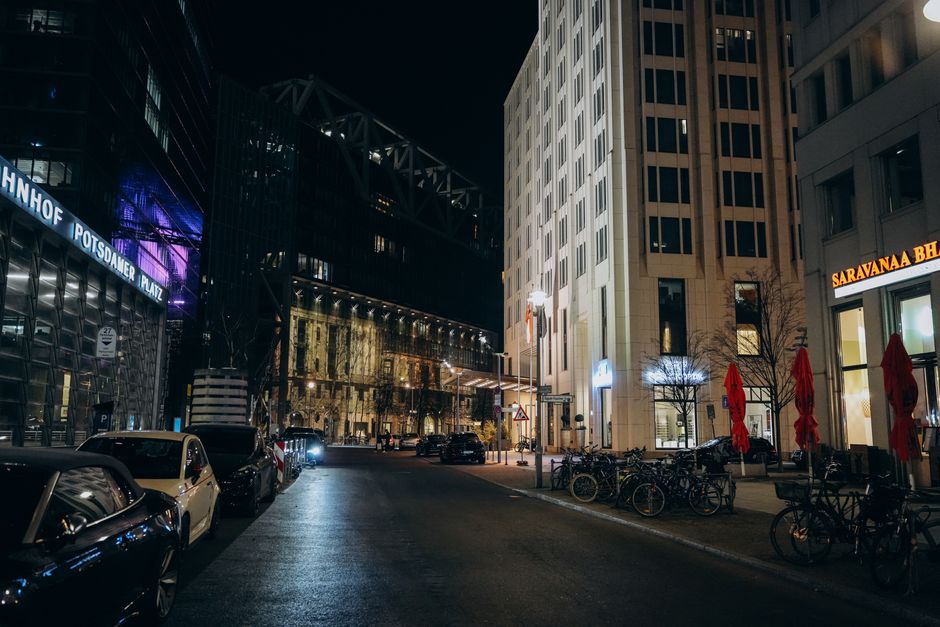
Neukölln itself is one of Berlin’s most densely populated and ethnically diverse districts, home to large communities of Turkish and Arab heritage alongside a growing population of younger gentrifiers. It has long been a testing ground for Germany’s integration policies and has at times attracted national attention over reported increases in organised crime and antisemitic incidents. For the Left Party, claiming to speak for all of Neukölln’s residents — with their often divergent interests and grievances — has become increasingly difficult.
Political analysts have noted that the crisis facing Die Linke is not unique to Germany. Left-of-centre parties across Europe have struggled to maintain cohesion as the traditional class-based political alignments that once defined them have given way to more fragmented cultural and identity-driven politics. Parties in France, the Netherlands, and the United Kingdom have all grappled with similar tensions between their urban liberal activist bases and the socially conservative instincts of many working-class voters.
Whether Die Linke can find a credible path through this maze remains deeply uncertain. With federal elections having already delivered a punishing verdict on the party’s national ambitions, its future may depend on whether local and regional politicians can forge a more grounded, community-level politics — one that speaks to the lived experiences of voters in places like Neukölln without sacrificing the principles that give the party its reason for being.