
UK to unveil EU trade deals worth billions, covering agriculture, emissions and youth mobility
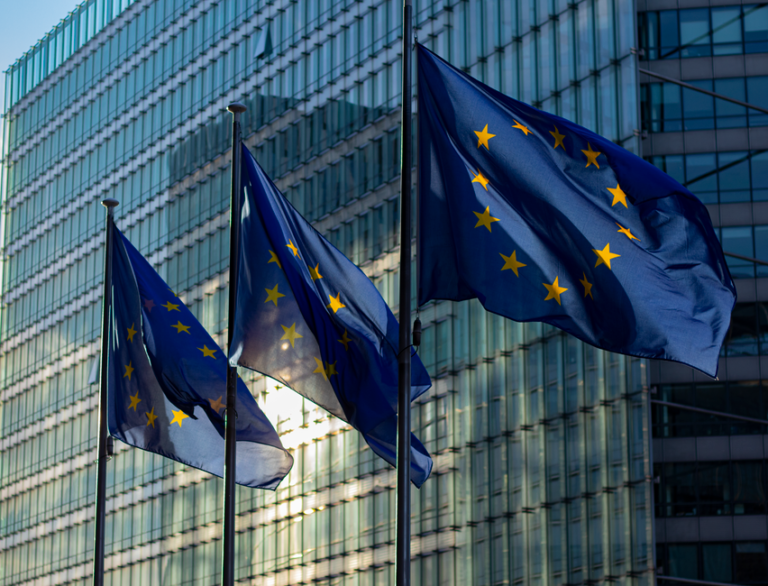
Prime Minister Andy Burnham is poised to announce a series of trade agreements with the European Union that officials say are worth billions of pounds. The deals, which have been nearly finalised, span agricultural exports, participation in the EU’s emissions trading scheme, and a reciprocal youth mobility programme. Burnham is scheduled to travel to Brussels on 20 November to meet Ursula von der Leyen, President of the European Commission, and António Costa, President of the European Council, where the agreements are expected to be formally unveiled.
Those close to the negotiations have indicated that three separate accords are essentially complete, though a few details remain. The agricultural component is projected to add over £5 billion to the UK economy by 2040. It would eliminate the need for UK companies and travellers to obtain a certificate when transporting live animals, including pets, into Europe. Instead, those bringing domesticated animals into the bloc would receive a pet passport, removing the burden of repeated paperwork for each journey.
Under the same agricultural deal, British producers would be permitted to continue selling certain products that are prohibited under EU law, such as specific pesticides, during a transition period. Trade would also be liberalised for other goods, including live molluscs and Scottish salmon. Additionally, the UK would pay the EU billions of pounds to avoid a cross-border carbon tax that takes effect next January, by joining the bloc’s emissions trading scheme.
Youth mobility and emergency brake
The third deal, a “youth experience scheme,” would allow people under 30 from both sides to live, work, and travel in each other’s territories. Each EU member state would receive its own quota of visas, a move designed to distribute benefits and potential costs evenly. The UK is negotiating an emergency brake-style mechanism: if a member state refuses to issue its allotted visas, Britain would restrict the number of that country’s nationals allowed to travel to the UK.
Burnham has said the overall package could boost UK GDP by 0.4%, or £17 billion. “A deal could add up to 0.4% to GDP. Now that is a number that you cannot ignore,” he told the Economist. However, he also stressed caution on any further steps. “Public opinion has changed nationally. But I want to be really clear on this issue. I will not run ahead of public opinion. The public need to be the boss when it comes to whatever happens with Brexit,” he said to ITV.
Future cooperation and concerns
Alongside the three deals, officials have begun discussions on a joint statement covering future cooperation in areas such as industrial policy and university tuition fees. A draft of that statement, prepared by the EU and not yet agreed by the UK, describes the two sides as “trusted partners.” It also suggests that the UK would pay into the EU’s cohesion budget to support poorer member states, though this contribution has not been signed off by London and is considered more likely to be part of a future agreement.
The draft statement includes a commitment to reach an agreement within six months on charging European students lower fees in the UK. The Guardian reported earlier this week that the UK is prepared to spend hundreds of millions of pounds compensating universities for the resulting financial loss, but only if the EU grants Britain access to the protectionist Made in Europe scheme. The EU has separately raised concerns about UK plans for an accelerated programme to deport foreign national offenders from the UK to the EU, and is pushing London to drop that programme.
The agreements to be announced this month represent one part of Burnham’s broader effort to reset the UK’s relationship with Europe. He is also planning a major announcement setting out a vision for how the UK could interact with the union in future, including possible re-entry. Downing Street has said that announcement will take place around the time of the summit, though it is not yet decided whether it will come before, during, or after the Brussels meetings.