Russian Regions Urge Remote Work and Driving Curbs Amid Deepening Fuel Shortage
Russian regional authorities have begun issuing guidance urging residents to work from home and cut back on private vehicle use, as a fuel shortage affecting parts of the country shows signs of worsening. The appeals, which have emerged from multiple local governments, point to mounting pressure on domestic energy supply chains that analysts say has been building for some time.
The directives, while stopping short of formal legal restrictions, represent an unusual step by Russian officials to manage civilian consumption of fuel. Residents in affected areas were encouraged to avoid unnecessary car journeys and, where possible, to carry out their professional duties remotely in order to reduce overall demand for petrol and diesel, according to reports citing local government communications.
Supply Pressures Mount Across Regions
The situation reflects a broader set of tensions within Russia’s energy sector. Despite being one of the world’s largest producers of oil and gas, Russia has faced recurring episodes of domestic fuel scarcity, a paradox that economists have long attributed to export incentives that make it more profitable for suppliers to sell abroad than to meet home demand. Refinery capacity constraints and logistical bottlenecks have also been cited as contributing factors, officials said.
The timing of the current shortage has drawn particular attention. Russia’s economy has been operating under significant strain following sweeping Western sanctions imposed after the full-scale invasion of Ukraine in 2022. While Moscow has repeatedly insisted that sanctions have had limited impact, disruptions to equipment imports and financial transactions have complicated the operations of energy infrastructure companies, according to independent assessments.
The appeal to limit private driving recalls similar measures seen in other countries during periods of acute energy stress, though the context in Russia carries distinct political weight. The government has been keen to project an image of stability and self-sufficiency on the home front, making public acknowledgements of fuel shortfalls a sensitive matter.
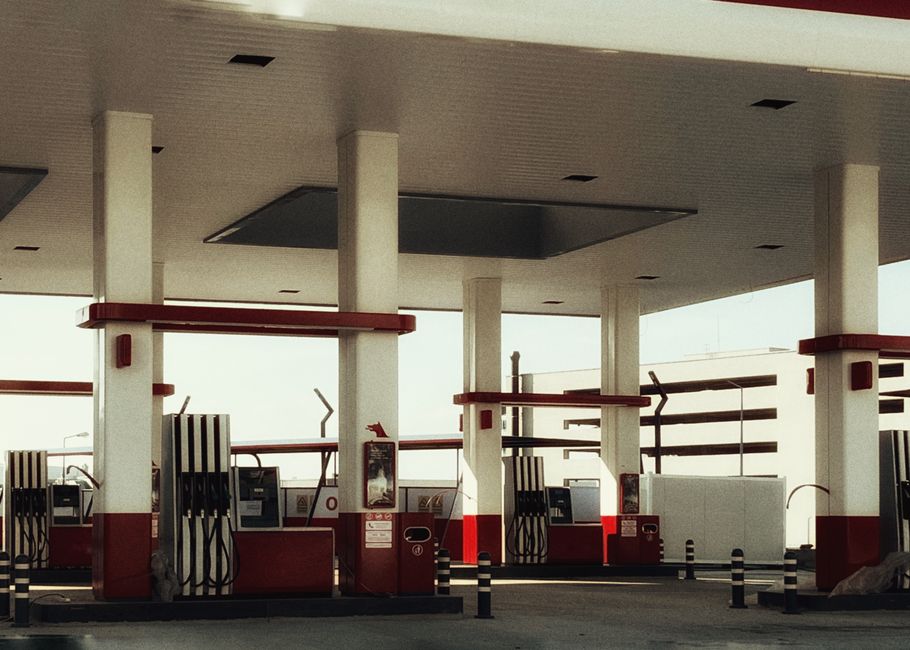
It remains unclear how widespread the shortages are or how long regional authorities expect the situation to persist. Reports suggest the problem is more acute in certain parts of the country than others, with some areas experiencing visible queues at filling stations and others reporting price increases for both petrol and agricultural diesel — a particularly significant concern given Russia’s large farming sector and the proximity of the harvest period.
The developments are likely to be watched closely both within Russia and abroad. For European observers, the episode adds a further layer of complexity to assessments of Russia’s long-term economic resilience. While Europe has spent the past two years working to reduce its own dependence on Russian energy, any sign of strain within Russia’s domestic fuel supply offers a contrasting data point in ongoing debates about the effectiveness of the sanctions regime and the durability of Moscow’s wartime economy.