Ukraine’s Top General Warns of Prolonged Conflict as Russia Maintains Eastern Ambitions
Ukraine’s commander-in-chief has delivered a sobering assessment of the war with Russia, cautioning that a decisive turning point in the conflict remains far from reach and that Russian forces continue to press forward with their territorial objectives in the country’s east.
General Oleksandr Syrskyi, who leads Ukraine’s armed forces, issued the warning via his official Telegram channel, stating that Russian forces have not relinquished their strategic goal of seizing full control over the Luhansk and Donetsk regions — the two eastern Ukrainian oblasts that form the heart of the Donbas and which Moscow has claimed to have annexed, despite that claim being widely rejected under international law.
The statement reflects the increasingly difficult military reality facing Kyiv as the war enters yet another gruelling phase. Ukrainian forces have been under sustained pressure along multiple sections of the front line in recent months, with Russian troops making incremental but persistent advances in several areas of the east. Military analysts have noted that the conflict has settled into a pattern of attritional warfare that favours the side with the greater capacity to absorb losses and sustain operations over time.
Eastern Front Remains the Decisive Theatre
The Donbas region has been the focal point of Russian military operations since Moscow shifted its strategic focus following its failure to capture Kyiv in the early weeks of the full-scale invasion, which began in February 2022. Control of Luhansk and Donetsk holds significant symbolic and strategic value for the Kremlin, which declared the annexation of both regions — along with Zaporizhzhia and Kherson — in September of that year, a move condemned by the United Nations General Assembly as a violation of international law.
Syrskyi’s public remarks underline the challenge Ukraine faces in turning the tide of the conflict without a substantial and sustained increase in military aid from Western partners. Kyiv has repeatedly called on allied nations to accelerate the delivery of ammunition, air defence systems, and longer-range weaponry. While support from the European Union and individual member states has continued, Ukrainian officials have expressed concern that delivery timelines and political uncertainties in key donor countries could affect battlefield outcomes.
The general’s assessment comes at a moment of heightened diplomatic activity surrounding the war. Discussions about potential ceasefire frameworks and peace negotiations have circulated in various international forums, though Ukrainian leadership has consistently maintained that any settlement must respect Ukraine’s territorial integrity and cannot reward Russian military aggression with permanent territorial gains.
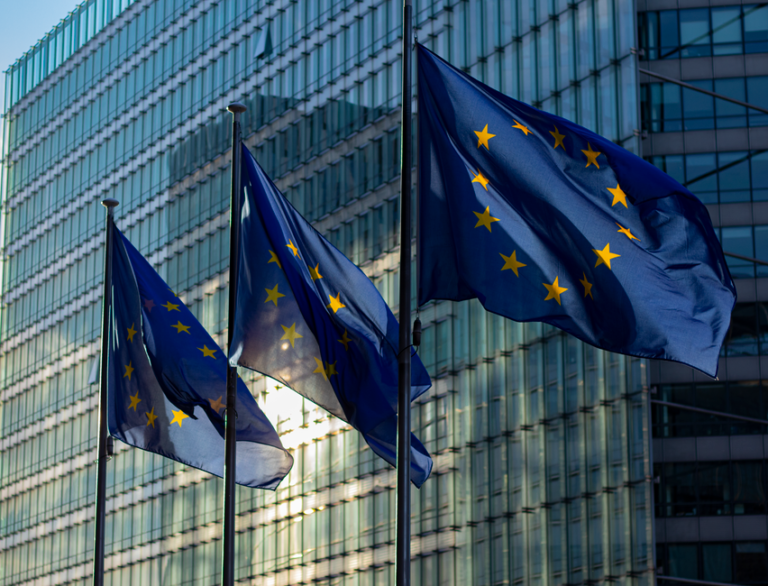
For European policymakers, the message from Kyiv’s top military commander reinforces the argument that long-term strategic and financial commitments will be necessary to support Ukraine through what may be an extended period of conflict. The European Union has been working to deepen its defence industrial cooperation and has committed multi-year financial assistance packages to Kyiv. How those commitments are sustained amid shifting political winds in member states will be a defining question for European security in the months ahead.