Germany’s Health Insurance Reform Clears Bundestag Hurdle on Last Day Before Summer Recess
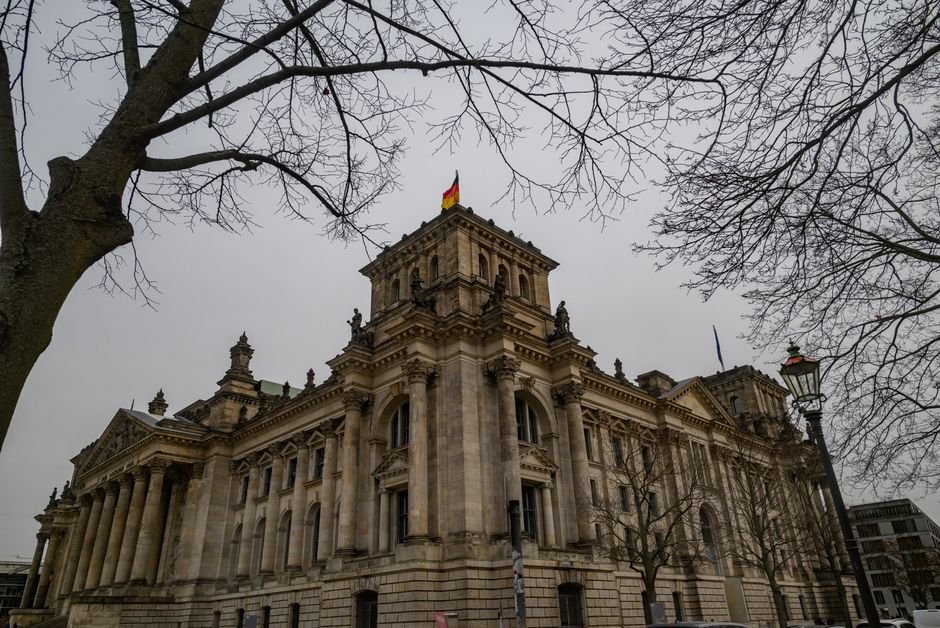
Germany’s lower house of parliament voted on Friday to approve a controversial package of savings measures for the country’s statutory health insurance system, squeezing one of the most contentious pieces of legislation in the new government’s early agenda through on the final day of parliamentary business before the summer break.
The vote on the so-called GKV-Sparpaket — a set of cost-cutting reforms to Germany’s public health insurance framework — came as critics from both the Greens and the Left Party had mounted a last-ditch legal challenge, arguing that the speed at which the legislation had been pushed through parliament violated proper democratic procedure. Germany’s Federal Constitutional Court rejected those emergency applications, clearing the way for the vote to proceed as scheduled.
Rushed Process Draws Cross-Party Criticism
The constitutional complaints had been filed by Janosch Dahmen of the Greens and Ateş Gürpınar of the Left Party, both of whom argued that lawmakers had been given insufficient time to scrutinise a reform with far-reaching consequences for millions of insured Germans. While the court’s rejection effectively ended the immediate legal threat to the legislation, the underlying dispute over parliamentary due process is expected to continue beyond the recess.
Health Minister Nina Warken of the CDU defended the accelerated timeline, according to reports, arguing that the urgency of the financial pressures facing the statutory health insurance system justified pushing ahead without delay. Germany’s public health insurers have been grappling with mounting deficits, and officials said the government viewed the summer deadline as a practical necessity rather than a political manoeuvre.
The episode represents an early test of Chancellor Friedrich Merz’s ability to drive his legislative programme through parliament under pressure. Forcing through major reform legislation on the eve of a recess, while legally permissible, risks reinforcing perceptions that the new coalition is prioritising speed over thorough deliberation — a charge the government has so far contested.
Opposition parties and some health policy experts have raised concerns not only about the pace of the process but also about the substance of the measures themselves, which are reported to include reductions in reimbursements and tighter spending controls across the publicly funded insurance sector. Critics warn that the savings targets could translate into reduced services or higher contributions for insured workers, though the government disputes that characterisation.
The passage of the reform marks the close of what has been a turbulent first legislative stretch for the Merz administration, which has faced pressure on multiple fronts ranging from budgetary constraints to migration policy. Whether the health reform will prove durable or invite further legal and political challenges in the autumn remains an open question as Berlin empties for the summer.