Renewables Push Could Free Europe From LNG Import Reliance by Decade’s End, Analysis Finds
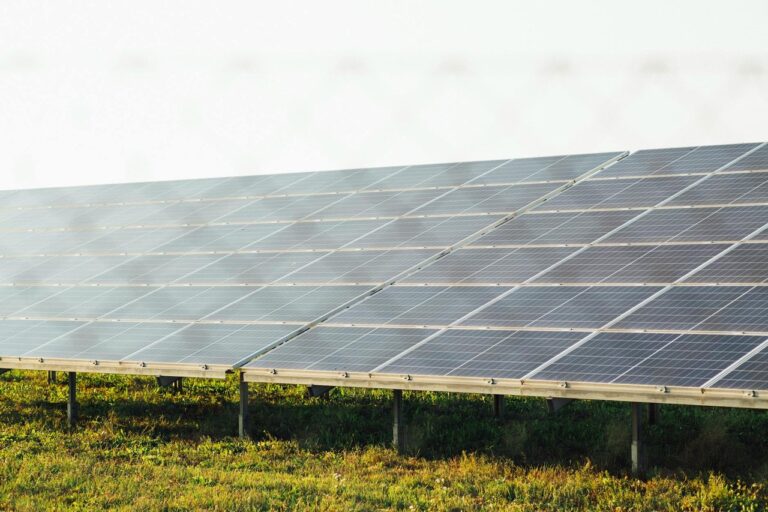
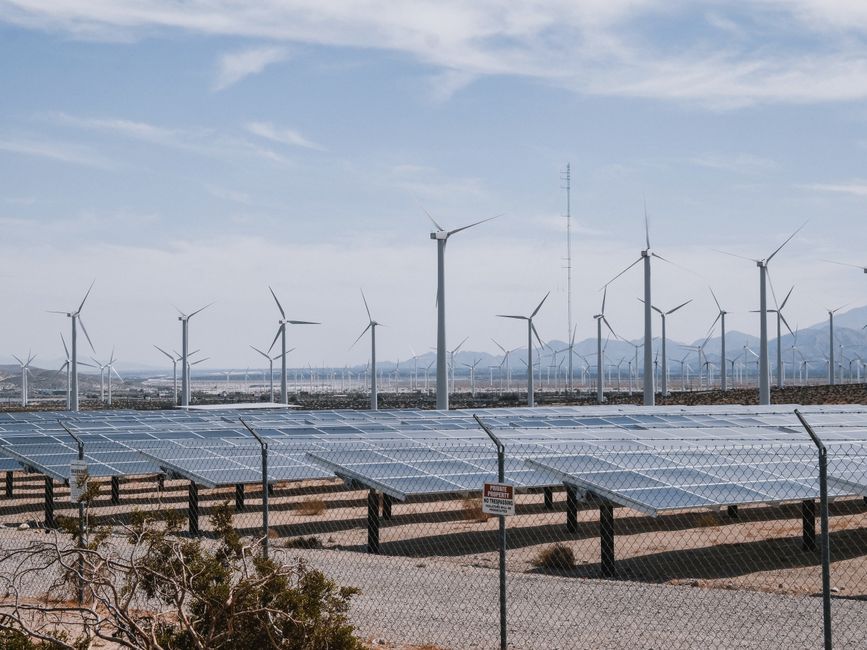
Europe could significantly reduce its dependence on liquefied natural gas imports by the end of this decade if it follows through on existing commitments to expand solar and wind energy capacity, according to a new study examining the continent’s energy transition trajectory.
The analysis concludes that meeting established EU targets for renewable energy deployment could cut the bloc’s overall gas demand by approximately one quarter by 2030. Crucially, the projected savings would be large enough to offset the volumes of LNG that Europe is currently expected to import from Qatar under long-term supply agreements — a finding that will likely strengthen the hand of those arguing for accelerated clean energy investment over new fossil fuel contracts.
Heat Pumps Emerge as a Key Variable in the Energy Equation
Beyond wind and solar, the widespread adoption of heat pumps is identified as a significant factor in reducing gas consumption across European households and commercial buildings. Heating remains one of the largest drivers of gas demand on the continent, and a rapid shift toward electric heat pump technology — drawing power increasingly from renewable sources — could compound the savings generated by expanded generation capacity. According to reports, the combined effect of these three technologies represents a credible and cost-effective pathway away from fossil fuel dependence, provided deployment rates remain on track.
The findings arrive at a strategically sensitive moment for European energy policy. Since Russia’s full-scale invasion of Ukraine in 2022, the EU has worked to diversify away from Russian pipeline gas, turning heavily to LNG suppliers including the United States, Norway, and Gulf producers. That diversification, while necessary in the short term, has raised concerns among climate advocates about locking in new long-term fossil fuel dependencies at a time when the science demands rapid decarbonisation.
Officials and analysts have repeatedly stressed that the most durable form of energy security for Europe is ultimately one rooted in domestic renewable generation, which insulates consumers from the price volatility and geopolitical risks inherent in global gas markets. The new study appears to reinforce that argument with concrete projections tied to targets already on the books.
However, the picture is not without complications. The same energy transition that could bolster European independence carries significant industrial implications at the global level. According to reports, Europe’s accelerating shift toward clean technologies is creating a substantial commercial opportunity for China, which currently dominates the manufacturing supply chains for solar panels, wind turbine components, and heat pump equipment. This dynamic has prompted growing unease in Brussels about trading one form of strategic dependence — on Russian gas — for another, this time on Chinese industrial exports.
The European Commission has been grappling with this tension, seeking to balance the urgent need for affordable clean energy hardware with longer-term goals of building competitive domestic manufacturing capacity. Tariff disputes and industrial policy debates have already begun to reflect this friction, and the pace of renewable deployment may itself become a point of negotiation between climate ambitions and economic sovereignty concerns.
For now, the central message from the study is one of feasibility rather than inevitability. The pathway to reduced LNG dependence exists within Europe’s current policy framework — but realising it will require sustained political commitment, coordinated infrastructure investment, and a resolution of the supply chain questions that could determine whether the transition ultimately strengthens or merely redirects European vulnerabilities.