Poland’s Right Fractures as Morawiecki Breaks from Kaczyński to Build Rival Party
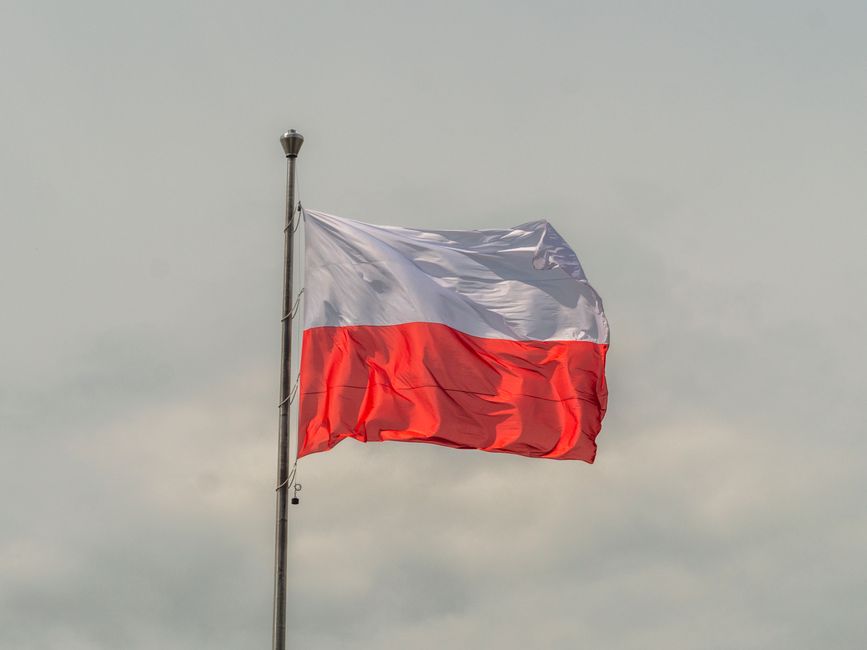
Poland’s conservative political landscape is undergoing a dramatic realignment after former Prime Minister Mateusz Morawiecki formally broke ranks with Jarosław Kaczyński, the longtime leader of the Law and Justice party (PiS), signalling his intention to establish a competing force on the Polish right. The split marks the most significant rupture within Polish conservatism in decades and could fundamentally alter the dynamics of national politics heading toward the 2027 parliamentary elections.
Morawiecki, who served as Prime Minister under Kaczyński’s patronage from 2017 until the party’s electoral defeat in 2023, has been distancing himself from his former mentor for several months. According to reports, the break has now become irreparable, with Morawiecki preparing to build an independent political movement that would compete directly with PiS for voters on the right of the political spectrum.
The internal tensions that precipitated the split are understood to involve both strategic disagreements and personal rivalries. PiS, once a near-dominant force in Polish politics that commanded outright parliamentary majorities, has struggled to find a coherent path back to power since losing government to a coalition led by current Prime Minister Donald Tusk in late 2023. Critics within the party have reportedly questioned Kaczyński’s leadership and his ability to reposition PiS for a competitive return.
A Divided Opposition Could Benefit Tusk
The fracture on the right is being closely watched by analysts and by Tusk’s centrist coalition government, which has faced its own considerable challenges since taking office. A fragmented opposition could reduce the likelihood of a unified conservative challenge in 2027, potentially offering Tusk’s government a strategic reprieve at a moment when it is navigating complex reform agendas, strained relations with parts of the judiciary, and ongoing pressures related to the war in Ukraine.
However, observers caution that the picture is not straightforward. A new right-wing movement under Morawiecki could, in theory, attract centrist conservatives who feel uncomfortable with what they regard as the more abrasive style associated with Kaczyński’s PiS, potentially broadening the overall right-wing electorate rather than simply cannibalising PiS support. Whether such a movement could mount a credible electoral challenge within the timeframe remaining before 2027 remains an open question.
For Kaczyński, the departure of Morawiecki represents a significant blow to the party’s prestige. Morawiecki was widely regarded as PiS’s most electorally polished figure — a technocratic face that the party deployed to moderate its image both domestically and in Brussels. Losing him to a rival project strips PiS of a key asset at a time when the party is already struggling in the polls, according to reports tracking Polish public opinion.
The broader implications for Polish democracy are also being considered. Poland has in recent years seen fierce ideological battles over judicial independence, media freedom, and the rule of law — issues that brought Warsaw into prolonged conflict with European Union institutions. How a reconfigured right would position itself on these questions is likely to be a defining issue as Morawiecki’s emerging project takes shape in the months ahead.