Commission pivots EU energy strategy from crisis response to acceleration
The European Commission’s AccelerateEU communication — full title AccelerateEU – Energy Union: affordable and secure energy through accelerated action — was published on 22 April 2026 as the institutional response to the energy crisis triggered by the Middle East conflict. The communication pivots the EU’s energy strategy from crisis-response mode to a structurally accelerated clean-energy build-out, with measurable targets and timelines.
The diagnostic framing
AccelerateEU starts from the diagnosis articulated by the European Council in March 2026: the energy transition remains the most effective strategy to achieve Europe’s strategic autonomy, strengthen resilience, lower energy prices and deliver clean and homegrown energy. This framing matters politically. Some member states had argued, in the early weeks of the Iran shock, for a deceleration of the energy transition to manage cost pressures. The European Council took the opposite view — and AccelerateEU operationalises it.
Five core deliverables
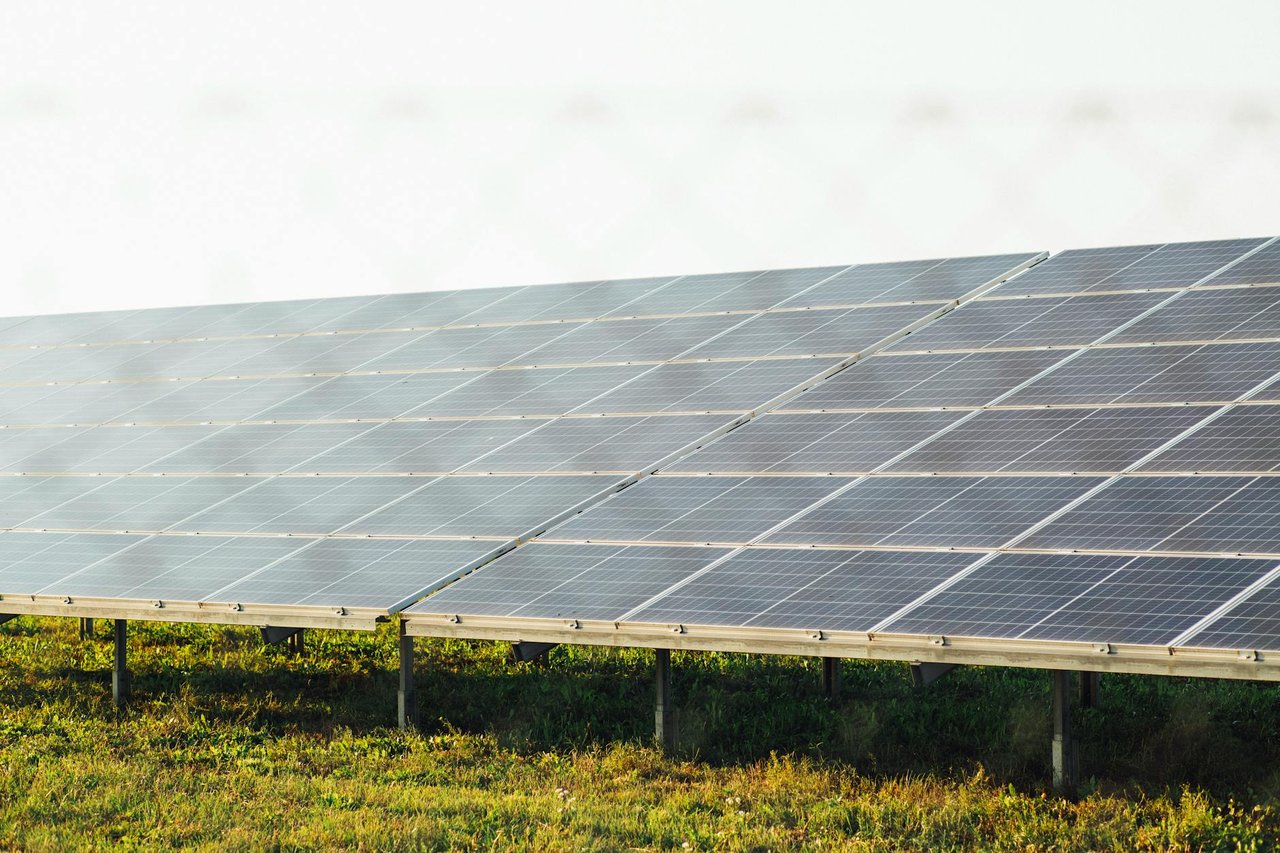
The communication contains five operational tracks. First, accelerated permitting for renewable energy projects, with binding deadlines on national authorities. Second, the grids package — TEN-E revision and the permitting directive — pushed forward in the legislative process. Third, the electricity market design refinements that decouple consumer prices from short-term gas dynamics. Fourth, targeted investment instruments through the European Investment Bank and the Innovation Fund. Fifth, joint procurement of strategic clean technology components, including solar panels, wind turbine assemblies, and battery storage systems.
Joint procurement: the new tool
The joint procurement track is the most novel element. The EU experimented with joint procurement during the COVID-19 pandemic (vaccines) and the early Ukraine response (gas, ammunition). AccelerateEU proposes extending the model to clean technology components, with two objectives: securing supply at scale (the European Solar Manufacturing Industry’s annual capacity remains a fraction of Chinese imports) and providing demand certainty for EU manufacturers entering the market. The technical design of the procurement instrument — voluntary, opt-in, time-limited — is intended to neutralise the political concerns that have historically blocked similar proposals.
The financing question
AccelerateEU does not solve the financing question on its own. The European Investment Bank’s existing energy-transition lending capacity, supplemented by the Innovation Fund and partial recourse to the Recovery and Resilience Facility’s remaining envelope, provides the near-term financing layer. The longer-term answer — and the most contested element of the broader 2028-2034 MFF debate — is the introduction of new own resources dedicated to climate and security spending. The June 2026 European Council will give the first political signal on whether that broader bargain is achievable.
The competitiveness dimension
AccelerateEU’s most consequential framing is its identification of clean energy as a competitiveness file rather than a regulatory one. EU industry’s competitiveness deficit on energy costs vis-à-vis the United States and China is now substantial — European industrial electricity prices in 2026 run two to three times the US level. AccelerateEU’s bet is that domestic clean energy build-out, combined with electrification of industrial processes, can close part of that gap by 2030 even before global wholesale fossil energy prices normalise. The bet is large; the execution will determine whether 2026 is remembered as the moment the bet paid off or as another cycle of unfulfilled European energy ambition.
What to watch next
The 12-13 May 2026 informal meeting of energy ministers will give AccelerateEU its first political stress test. The June 2026 European Council will then convert political signals into MFF commitments. And the autumn 2026 Energy Council will adopt formal Council positions on the legislative proposals AccelerateEU sets in motion. By the end of 2026, the political viability of the framework — and the durability of the post-Iran consensus on accelerated transition — will be visible.