EU Energy Ministers Address Iran-Driven Price Surge in Cyprus
The informal meeting of EU energy ministers takes place on 12-13 May 2026 in Cyprus, under the Cypriot Council Presidency. The two-day session addresses the most acute energy file the EU has faced since the immediate aftermath of Russia’s invasion of Ukraine: the impact of the Middle East conflict on European energy markets, with prices in the EU having risen by approximately 70% for gas and 50% for oil since the conflict began in late February 2026.
The market reality
The disruption of the Strait of Hormuz by Iran, alongside US naval engagements and the UAE’s missile interceptions, has tightened global energy markets in ways the EU has not fully internalised. Brent crude has remained above $100 a barrel since the conflict began. European TTF natural gas prices have risen substantially, though strategic storage levels — built up after 2022 — have provided real buffer. The asymmetric impact across member states is now visible: countries with energy-intensive industries (Germany, Belgium, the Netherlands) face the steepest competitiveness pressure; southern member states experience the inflation and tourism effects.
The AccelerateEU framework
The Commission’s AccelerateEU communication of 22 April 2026 sets the framework for the 12-13 May discussion. AccelerateEU presents itself as the response to EU leaders’ call at the 19-20 March European Council for measures to solve the energy crisis. Its core thrust is to accelerate the energy transition rather than to defer it — president Costa’s framing was that the energy transition remains the most effective strategy to achieve Europe’s strategic autonomy, strengthen resilience, lower energy prices and deliver clean and homegrown energy. The 12-13 May meeting examines how member states can implement AccelerateEU’s measures domestically.
Three quick-relief targets
Three areas have been identified for short-term electricity price relief. National electricity taxes vary across the EU27 from low single digits to as high as 22%, representing around 10% of energy bills in several countries — alignment downwards is the cheapest political action. Network charges covering transmission and distribution infrastructure account for an average of 25% of household bills — the Commission’s grids package proposed in December 2025 directly addresses this. Carbon costs tied to the EU Emissions Trading System are passing through to electricity prices for end users — a temporary mechanism to mitigate this pass-through is on the table.
The grids package architecture
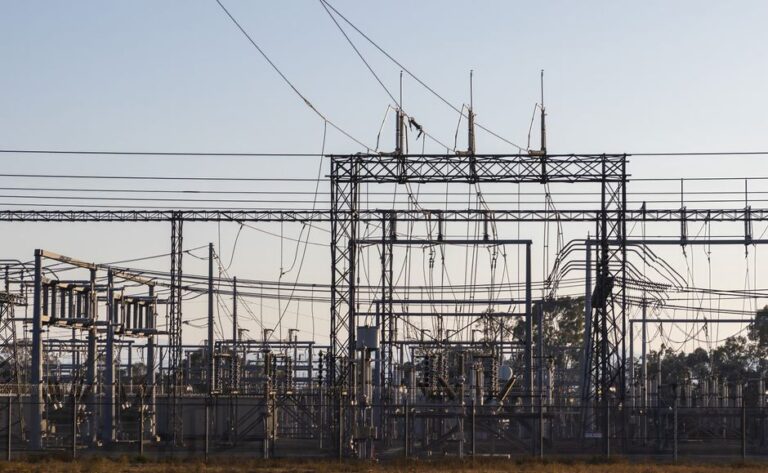
EU energy ministers held a policy debate on the European grids package at the formal Energy Council in March 2026. The package — Commission proposals for the revision of the trans-European energy infrastructure regulation (TEN-E) and for the permitting directive, presented on 10 December 2025 — aims to improve cross-border interconnectivity, boost electrification and speed up permitting for grids, while making cross-border infrastructure more resilient. The 12-13 May discussion will take stock of progress on Council position-finding ahead of trilogue negotiations.
The Ukraine dimension
The 12-13 May meeting is expected to feature an exchange with the Moldovan Minister of Energy, Dorin Junghietu, and the First Deputy Prime Minister of Ukraine — Minister of Energy of Ukraine, Denys Shmyhal. The Ukrainian energy system remains under sustained Russian attack, and the EU’s continued support — both financial and infrastructure-level interconnection — is one of the most operationally significant solidarity files of 2026. Cyprus has indicated that energy infrastructure financing for Ukraine will be a deliverable of the meeting.
The strategic horizon
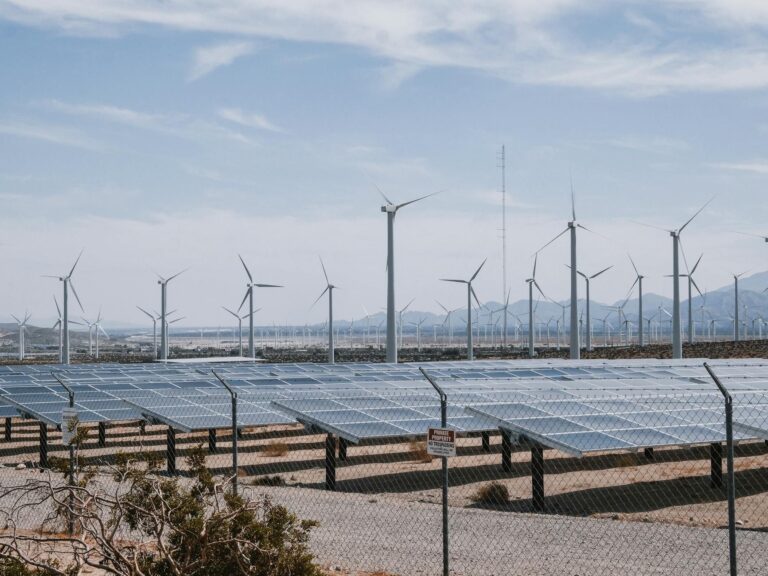
The longer view from the 12-13 May meeting will be the EU’s progress towards the 2030 climate and energy targets: 55% greenhouse gas reduction below 1990 levels, 42.5% renewable energy share, 11.7% energy efficiency improvement. Despite the Iran shock, the underlying renewable build-out continues — 2025 was a record year for European wind installations, and 2026 is on track to exceed 2025 in solar deployment. The political question for Cyprus is how to keep that build-out on schedule while managing the short-term price shock politically. The 12-13 May meeting is the year’s decisive forum for that question.