Norway Detains Russian Vessel in Arctic Waters as Ukraine Pursues Billion-Dollar Asset Recovery
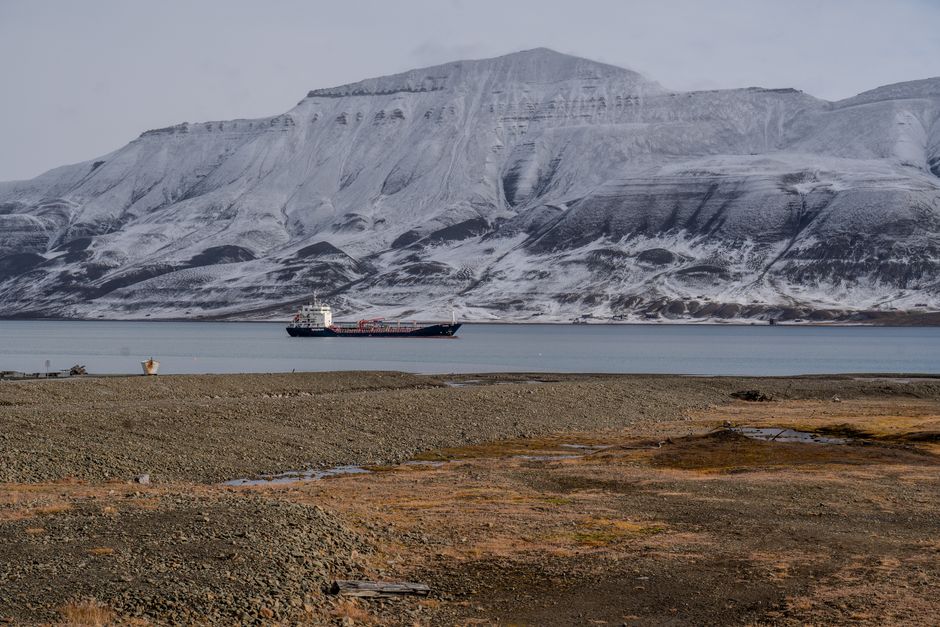
Norwegian authorities have seized a Russian-owned cruise ship in the Svalbard archipelago as part of a sweeping international effort by Ukraine to recover assets linked to a multi-billion-dollar arbitration ruling connected to Russia’s annexation of Crimea. The impoundment marks one of the most geographically striking enforcement actions in what has become a global legal hunt for Russian state-linked property.
The vessel, an expedition cruise ship operating in the remote Arctic territory, was detained at the request of Naftogaz, Ukraine’s state-owned energy company, according to reports. Naftogaz has been actively pursuing Russian assets across multiple jurisdictions following a favourable international arbitration decision that awarded the company approximately $4.2 billion in compensation for losses sustained when Russia illegally annexed Crimea in 2014, stripping the firm of significant offshore energy infrastructure and operations in the region.
A Global Campaign to Enforce an Arbitration Award
The Svalbard seizure is the latest move in what observers describe as an increasingly aggressive asset-enforcement strategy by Kyiv. Since the arbitration ruling was handed down, Naftogaz and Ukrainian legal teams have fanned out across Europe and beyond, identifying Russian-connected vessels, real estate, and financial holdings that could potentially be frozen or confiscated to satisfy the outstanding award. Courts in several European countries have previously entertained similar applications, though enforcement has varied widely depending on national legal frameworks and diplomatic sensitivities.
Svalbard, a Norwegian-administered archipelago situated deep within the Arctic Circle, presents a legally distinctive environment. Under the 1920 Svalbard Treaty, a wide range of signatory nations — including Russia — retain certain rights to conduct commercial activities there, a factor that has historically given the territory a complex international legal character. Norwegian authorities confirmed the detention was carried out in accordance with applicable legal procedures, though officials offered limited additional detail, according to reports.
Russia has consistently rejected the underlying arbitration ruling, arguing that its actions in Crimea do not fall within the jurisdiction of the tribunal that issued the award. Moscow has not voluntarily complied with the decision, making third-country enforcement actions the primary mechanism available to Ukraine for collecting on the judgment. Russian officials have previously condemned similar asset seizures in other European nations as politically motivated and legally unfounded.
The timing of the detention carries considerable symbolic weight. With the war in Ukraine now in its fourth year and diplomatic negotiations over a potential ceasefire remaining deeply uncertain, Kyiv has increasingly turned to legal and financial pressure as a complementary front in its broader effort to hold Moscow accountable. Asset recovery campaigns of this nature serve both a practical financial purpose and a strategic signalling function, demonstrating that Russian entities face tangible consequences in Western-aligned jurisdictions.
For Norway, the seizure underscores the country’s alignment with European partners on Ukraine-related measures, even as Oslo navigates its historically nuanced relationship with Moscow in the High North. Norway and Russia share a maritime border in the Barents Sea and have in the past maintained pragmatic working arrangements on Arctic fisheries and other regional matters. Whether the Svalbard detention strains that relationship further remains to be seen, but the move signals that Norwegian authorities are prepared to act as a venue for Ukrainian legal enforcement even in one of the world’s most sensitive geopolitical regions.