Spain Breaks September Heat Record as Autumn Heatwave Grips Iberian Peninsula
Spain has equalled its all-time September temperature record after thermometers reached 45.7 degrees Celsius in what meteorologists are describing as a historically significant late-season heat event. The extreme readings, recorded across several southern and central regions of the country, have raised fresh concerns about the shifting boundaries of European summer weather and the growing frequency of dangerous heat episodes well into the autumn calendar.
The temperatures matched the highest ever logged in Spain during September, according to reports from national meteorological authorities, underlining how heat extremes that were once considered outliers are increasingly becoming benchmarks to be broken or matched. Emergency services in several affected provinces issued health warnings urging vulnerable populations, including the elderly and those with chronic conditions, to remain indoors and stay hydrated during the peak afternoon hours.
A Pattern Scientists Link to Climate Change
The record-tying event does not exist in isolation. It follows a prolonged sequence of intense heatwaves that swept across Europe throughout the summer months, affecting countries from Portugal to Greece and placing exceptional strain on health systems, agricultural output, and energy infrastructure. Climate scientists have consistently attributed the increased intensity and duration of such events to human-driven climate change, which raises baseline temperatures and makes previously rare heat extremes significantly more probable.
The late timing of this particular episode is itself noteworthy. September heatwaves of this magnitude challenge the assumption that the most dangerous heat risks subside once August ends. Public health experts warn that autumn heat events can catch populations off guard, as awareness campaigns and cooling infrastructure tend to wind down as the summer season officially concludes. Hospitals and emergency services in parts of Spain were reported to be operating under elevated alert conditions as the heat persisted.
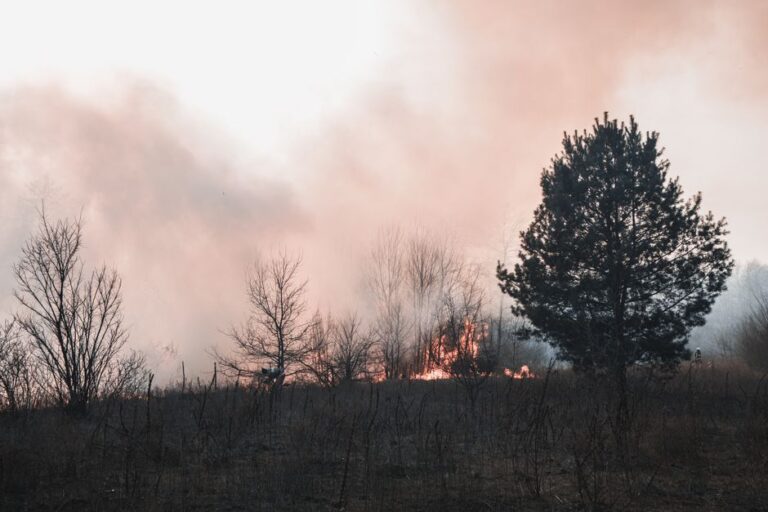
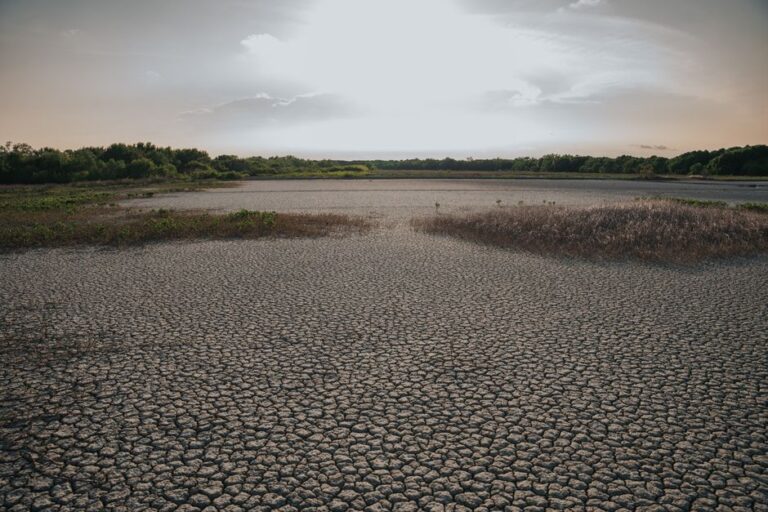
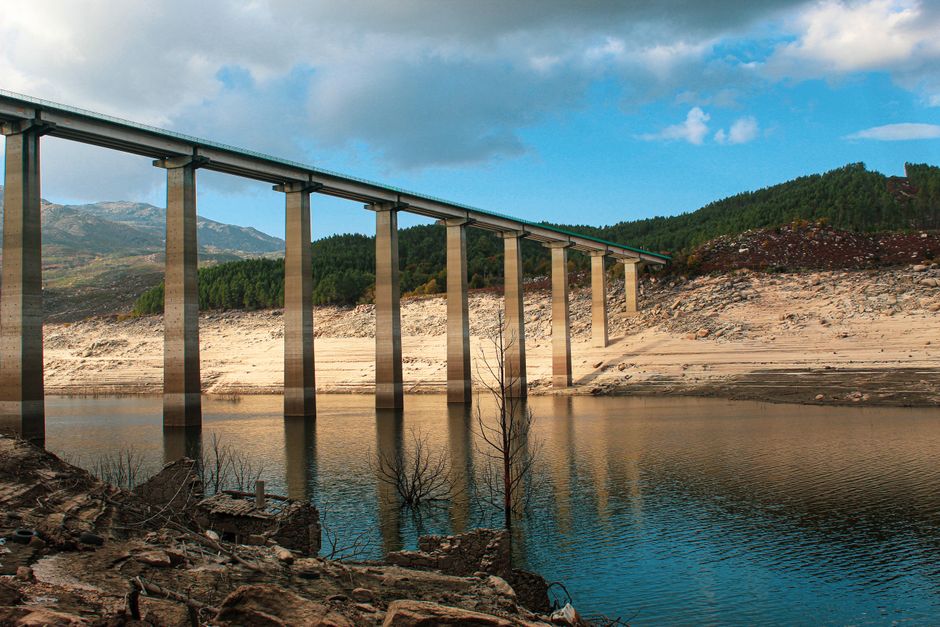
Spain has been among the European countries most consistently exposed to extreme heat in recent years. Large-scale wildfires, prolonged droughts, and successive record-breaking temperature events have tested the country’s resilience and prompted ongoing debate about the adequacy of national adaptation strategies. Officials have pointed to the need for updated urban planning standards, expanded green spaces, and stronger early-warning systems to better protect citizens as such conditions become more routine.
The broader European picture remains troubling. The continent has warmed at roughly twice the global average rate over recent decades, according to established climate monitoring data, making it one of the fastest-warming landmasses on Earth. Policymakers at both the national and European Union level face mounting pressure to accelerate both emissions reduction commitments and practical adaptation measures that can shield populations from the health and economic consequences of intensifying heat.
As Spain began to see some modest relief forecast for later in the week, attention was already turning to what this latest record means for climate trajectory assessments and preparedness planning. For many scientists and public health officials, the message is unambiguous: the window to treat extreme September heat as an anomaly is closing rapidly, and institutional responses must evolve accordingly.